
Last updated October 15, 2026
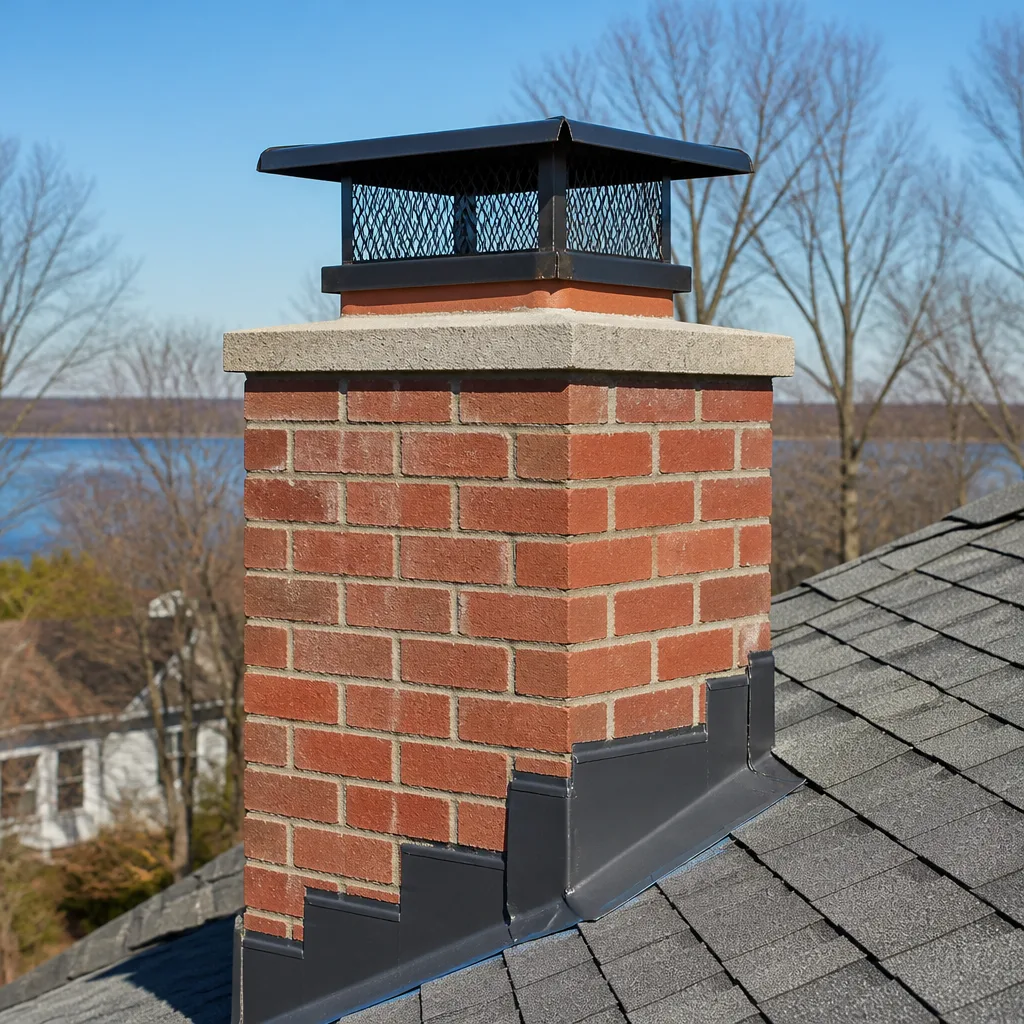 Sweep & inspection
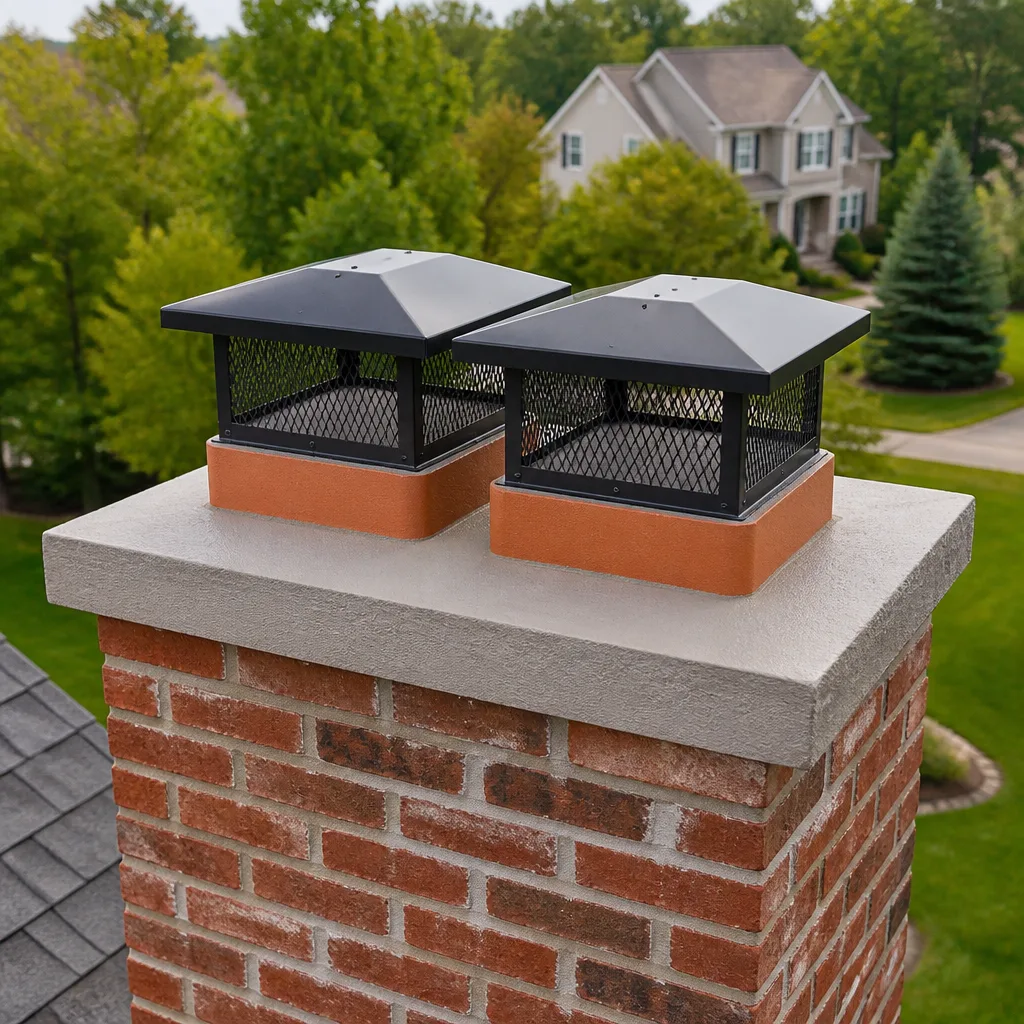 Caps & crowns
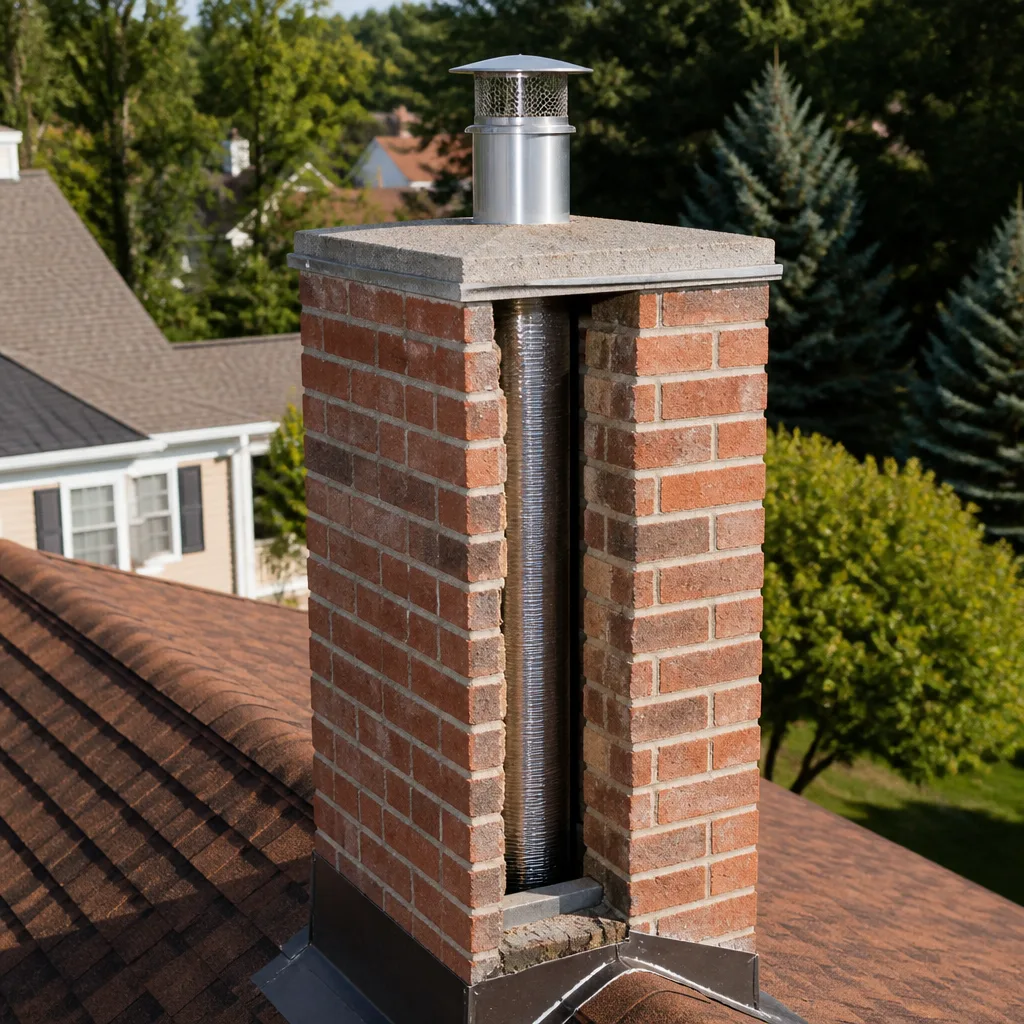 Flue relining
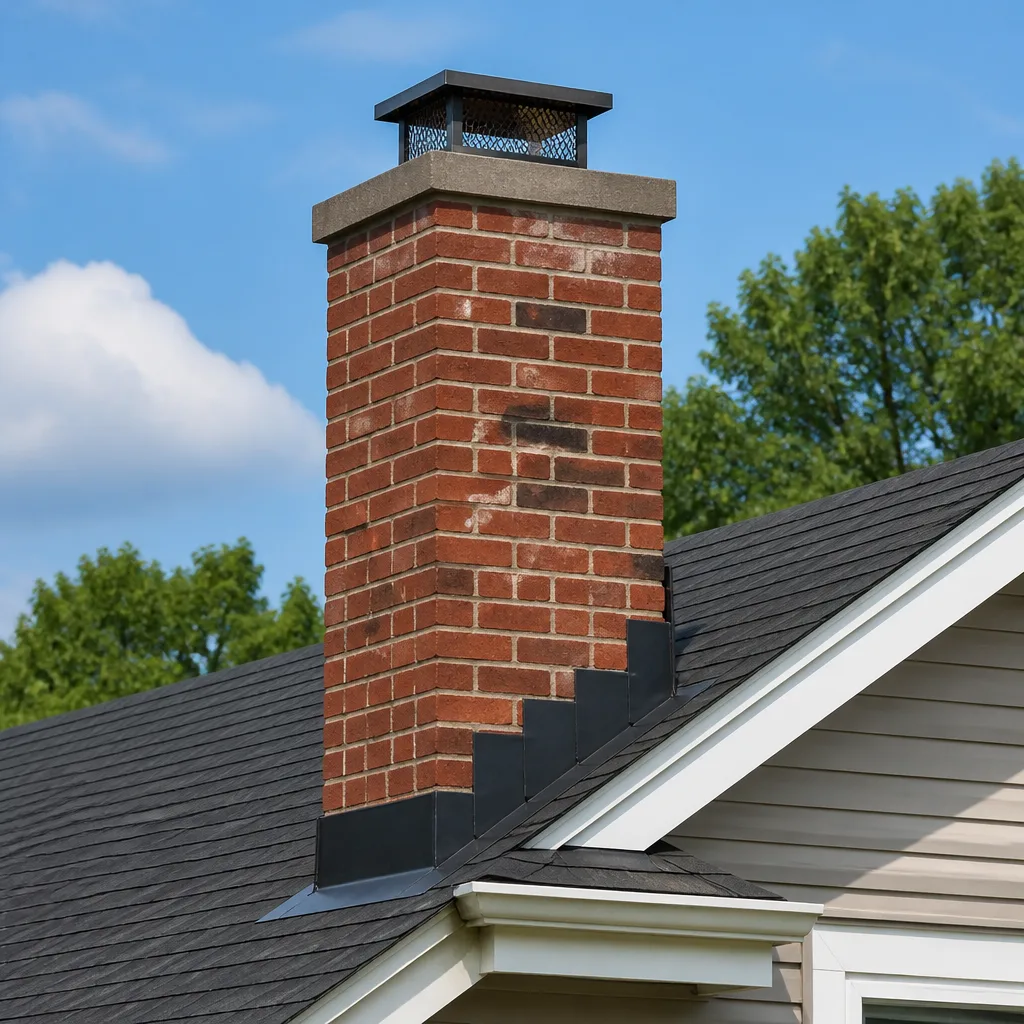 Masonry repair
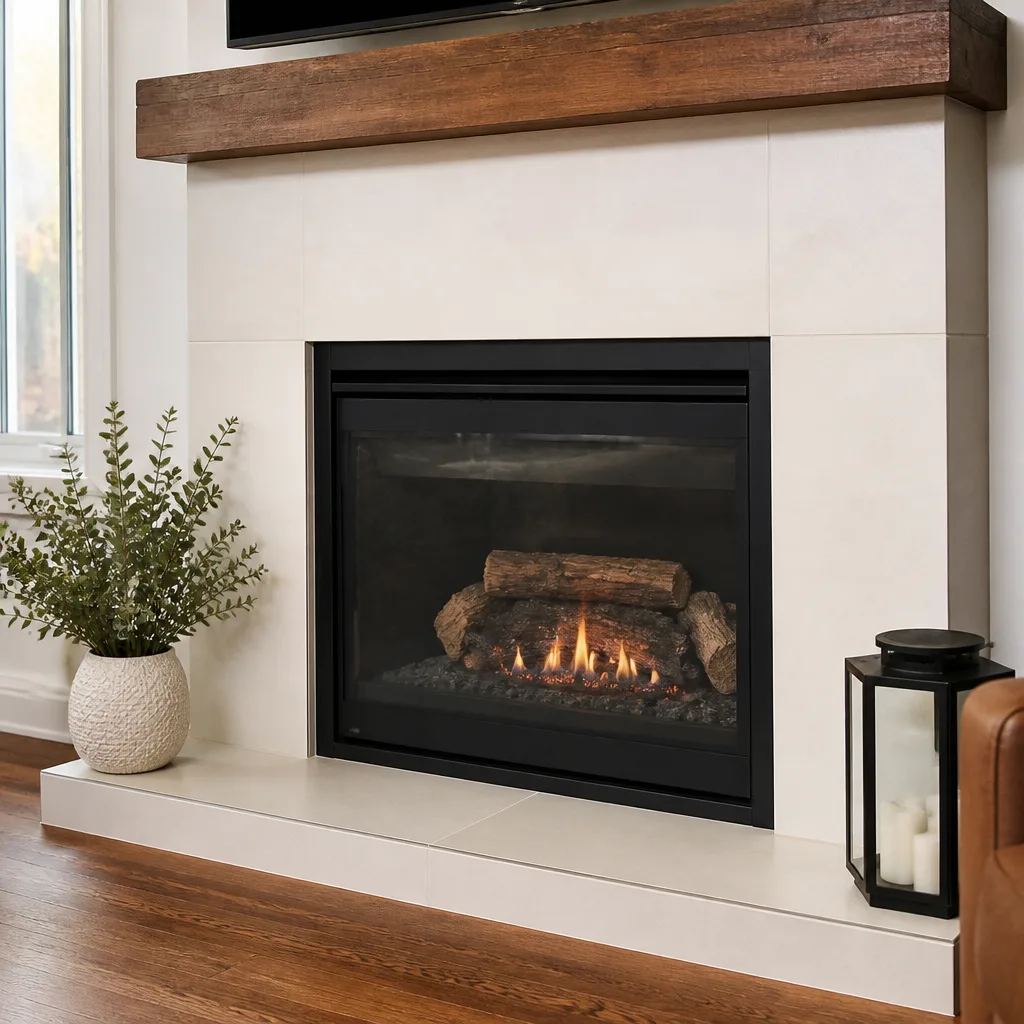 Gas fireplace service
Level 1 sweep and inspection to the NFPA 211 annual standard - flue, crown, cap, and flashing checked and photographed
Chimney sweep logs do not sweep chimneys. They loosen some creosote - which then falls where a brush and vacuum still have to collect it.
Chimney Cleaning Warning Signs: A Torrance Homeowner’s Reference Guide
The sign most Torrance homeowners miss isn’t smoke pouring into the living room or a strange noise from the flue. It’s a faint campfire smell on a warm September afternoon when the fireplace hasn’t been used in four months. That smell, easy to wave off as “just the house settling” or “something from outside,” is often the first quiet announcement of a creosote problem or an animal that has taken up residence in the chimney. This reference guide walks through the subtle warning signs that get dismissed for years, the ones that eventually turn into five-figure repairs, and what to do about each one before it reaches that point.
Quick Answer
Chimney cleaning warning signs in Torrance fall into four categories: unusual odors from an unused fireplace, visible deposits or staining inside the firebox, exterior brick and mortar deterioration, and performance problems like backdrafting or weak draft. The most commonly missed sign is a campfire or smoky smell when the fireplace hasn’t been used, which typically indicates creosote buildup or animal intrusion. If you notice any of these, a professional inspection and cleaning is the fastest way to identify and address the issue before it becomes a structural or safety problem, as covered in our Chimney Sweep Maintenance Checklist for Torrance Homeowners.
Styles & brands we work with
Table of Contents
- The Cold-Day Smell Test: What Different Odors Actually Mean
- Visual Warning Signs Inside the Firebox You Can Check Without Tools
- Exterior Warning Signs You Can Check From the Ground
- Gas Fireplace Warning Signs vs. Wood-Burning Warning Signs
- How to Document and Photograph Warning Signs for a Remote Assessment
- Why Torrance’s Climate Makes These Signs Appear Differently
- Common Mistakes to Avoid
- When to Call a Professional
- Frequently Asked Questions
The Cold-Day Smell Test: What Different Odors Actually Mean
Your nose is the most underrated diagnostic tool in chimney maintenance. An unused fireplace should smell like nothing. When it doesn’t, the specific character of the odor tells you a lot about what’s happening inside the flue. Here’s what different smells typically indicate.
A campfire or barbecue smell on a warm day, with no fire burning, is almost always creosote. Creosote is the flammable tar-like residue that condenses on chimney walls when wood smoke cools. It builds up in layers, and on humid Southern California days, those layers absorb moisture and release odor back into the house. Torrance’s coastal humidity, especially in neighborhoods like Seaside and Hollywood Riviera where marine air sits against the hills, makes this problem worse than in drier inland areas. The smell is often strongest in the morning or after a rain.
A musty, damp, or “wet basement” smell points to water intrusion. This could be a damaged chimney cap, cracked crown, or deteriorated flashing where the chimney meets the roof. Water getting into the chimney doesn’t just smell bad. Over time it erodes mortar joints, rusts the damper, and in Torrance’s mild winter wet season, can create conditions that damage the flue liner. The smell is usually accompanied by visible staining on the ceiling or walls near the chimney, though not always.
An ammonia or urine smell, especially in spring, means animals. Raccoons, squirrels, and birds all use chimneys as nesting sites. A mother raccoon raising kits in a chimney between March and June is common in the South Bay. The odor is unmistakable once you know it, sharp and organic, and it’s often accompanied by scratching sounds at dawn or dusk. Animal presence isn’t just a nuisance; nests block airflow and are a fire hazard, and animals can carry diseases.
A sulfur or rotten egg odor from a gas fireplace indicates a gas combustion problem, potentially a venting issue or, in rare cases, a gas leak. Natural gas is odorized with mercaptan precisely so you can smell it. If you smell gas, leave the house and call your utility company first, then a gas fireplace repair in Torrance specialist to inspect the appliance and venting after the utility clears the line.
Here’s a simple cold-day smell test you can run any time, no tools needed:
- Close all windows and doors to the room with the fireplace for about 30 minutes.
- Walk in from outside, where your nose has had a chance to reset.
- Stand about 3 feet from the fireplace opening and breathe normally. Don’t stick your head into the firebox.
- Note the first smell impression. That first second before your brain starts rationalizing is the most accurate reading.
- Repeat on a different day with a different temperature or humidity level. Some odors only present under specific conditions.
If you detect any smell other than “nothing,” that’s a warning sign worth investigating. In our experience, Torrance homeowners often notice the campfire smell first in September and October, when the first warm Santa Ana winds create unusual pressure differentials that pull chimney air into the house.
Visual Warning Signs Inside the Firebox You Can Check Without Tools
You don’t need to climb on the roof or buy any equipment to spot several important chimney warning signs. A flashlight and a willingness to look closely at the firebox, which is the chamber where the fire actually burns, will reveal a lot. Here are the specific visual indicators that matter.
Rust streaks on the damper plate. The damper is the metal flap just above the firebox that opens and closes the flue. If you see orange-brown rust streaks running down the damper plate or along its hinges, water has been getting into the chimney. This is one of the earliest water intrusion signs, often visible months before you see staining on the ceiling. Torrance’s coastal air means salt, which accelerates rust on metal components even without direct rain exposure.
White mineral deposits on the back wall. If the firebox’s back wall shows white or grayish crusty deposits, that’s efflorescence, mineral salts left behind when water evaporates from masonry. It’s the same process that leaves white streaks on exterior brick. Inside the firebox, it means water is entering through the flue or the masonry itself. Efflorescence doesn’t harm the brick directly, but it’s evidence of moisture passing through, and moisture plus repeated heating cycles gradually weakens mortar joints.
Black staining patterns above the fireplace opening. Soot staining on the wall above the fireplace, on the mantle, or on the face of the surround indicates backdrafting. Backdrafting happens when combustion gases don’t go up the chimney properly and instead spill back into the room. In Torrance homes, this often shows up during high-wind events or when a powerful kitchen exhaust fan creates negative pressure in the house. The stain might look like a faint gray or brown shadow that doesn’t wash away easily. It’s a sign the chimney draft is being overcome by something.
Flaking or spalling brick inside the firebox. If the brick surfaces inside the firebox are shedding thin layers, crumbling at the edges, or showing cracks wider than a dime, the firebox lining is degrading. Fireboxes experience extreme temperature swings, and moisture accelerates thermal damage. Torrance’s mild winters mean fireplaces often sit damp for days between uses, making this worse than in colder climates where fires burn daily and dry the masonry thoroughly.
Creosote visible as black, shiny, or flaky buildup. Shine a flashlight up into the flue from inside the firebox. If you see black, tar-like deposits that look glossy in the light (third-degree creosote) or flaky black scales (second-degree), that’s a cleaning that’s past due. First-degree creosote looks like fine black dust. Second and third degree are fire hazards. Don’t try to scrape it off yourself; the chimney needs professional cleaning with the right tools and methods. See DIY vs Professional Chimney Cleaning: The Torrance Homeowner’s Decision Guide for why this matters.
Each of these signs on its own warrants a closer look. Two or more together usually means water intrusion and creosote are compounding each other, which is the most common path to expensive chimney repairs in the South Bay.
Exterior Warning Signs You Can Check From the Ground
Most chimney problems are visible before they become emergencies, and several of them are visible from your front yard. You don’t need a ladder or a drone. Here’s what to look for on the chimney exterior, and why each sign matters.
Efflorescence on the brick. White, chalky, or crystalline deposits on the exterior brick face are efflorescence. They appear when water moves through the masonry, dissolves minerals, and evaporates on the surface, leaving the minerals behind. Efflorescence itself is cosmetic. The moisture moving through the chimney is not. Over time, moisture cycles weaken the mortar and brick, and in Torrance’s climate, salt from the marine layer accelerates the process. If you see efflorescence spreading across the chimney, water is getting in somewhere, probably through the cap, crown, or flashing.
Mortar erosion between brick courses. Look at the horizontal and vertical joints between bricks. If the mortar lines appear recessed, crumbling, or partially missing – like the bricks are separating from each other – that’s mortar erosion, sometimes called re-pointing territory. Mortar is the sacrificial component of a masonry chimney; it’s designed to weather before the brick does. But when it erodes past a certain point, water penetrates the structure, and the chimney loses structural stiffness. In earthquake-prone Torrance, a degraded mortar joint is a liability during even a moderate seismic event.
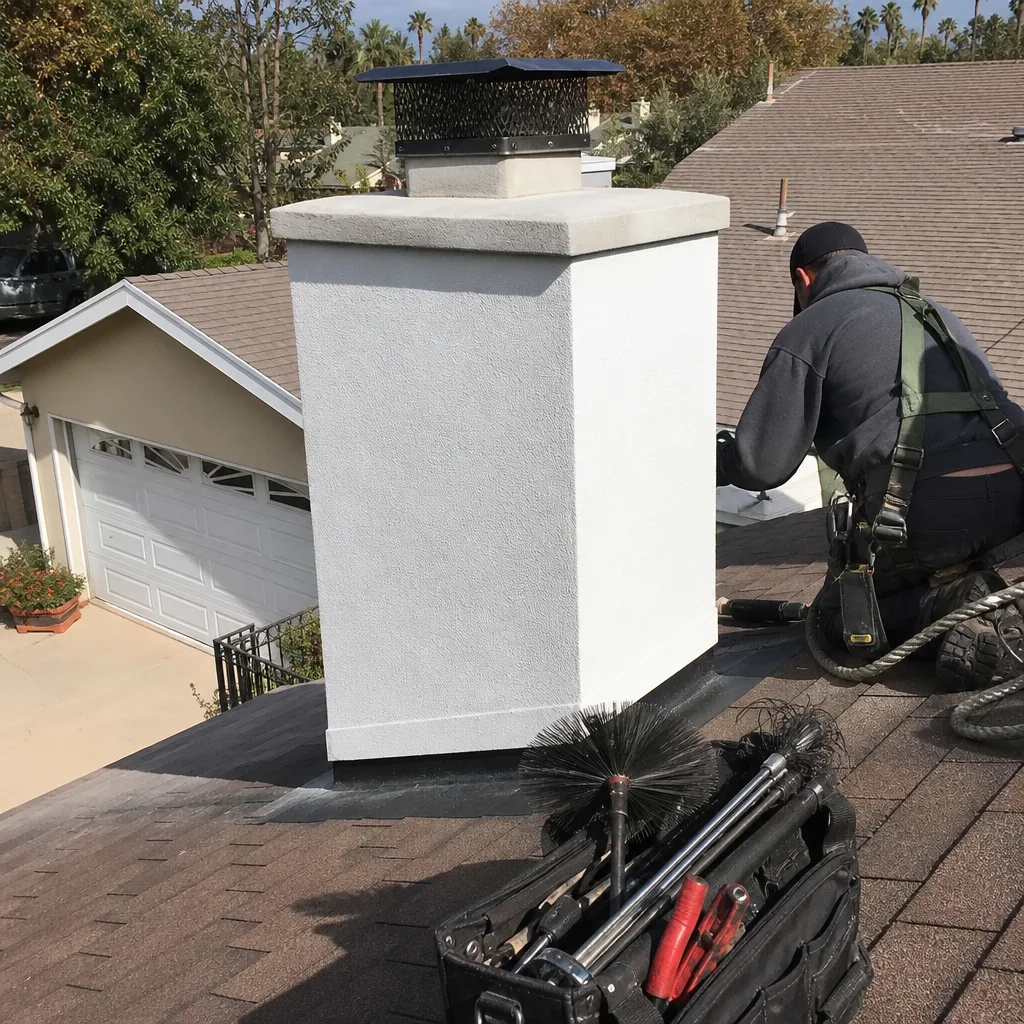
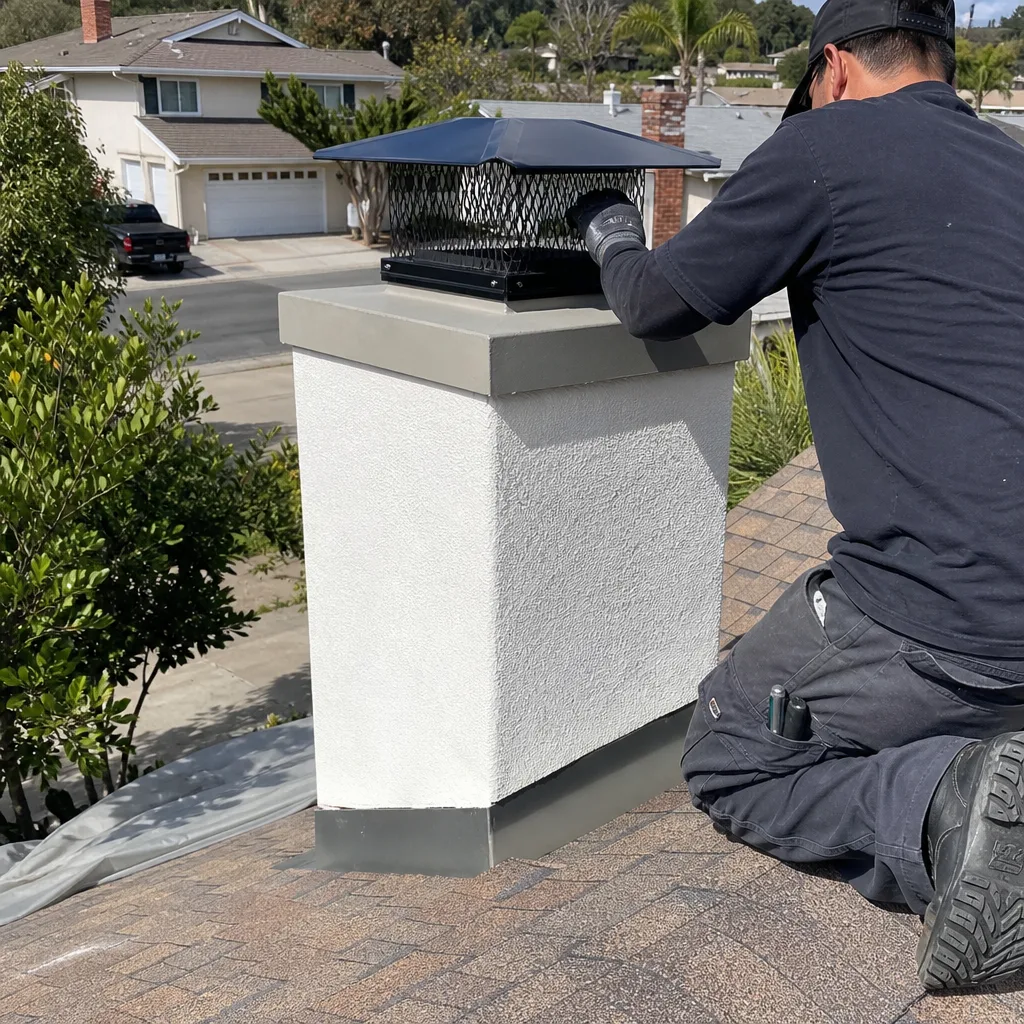
Chimney cap or crown damage visible from the roofline. The chimney cap is the metal cover on top of the flue, and the crown is the concrete slab that seals the top of the chimney structure. From the ground, you can sometimes see if the cap is missing, tilted, or rusted, and if the crown has visible cracks or has pulled away from the flue tile. You may need to stand back from the house for the angle. A damaged cap lets rain directly into the flue. A cracked crown lets water into the masonry itself. Both are common in Torrance homes built in the 1960s and 1970s, when crown construction standards were less robust than today’s.
Dark staining running down from the cap or flashing. If you see dark streaks running down the chimney from the top, that’s water carrying soot and creosote residue down the exterior. It means two things: water is entering the flue, and there’s enough creosote inside to be carried out. Alternatively, staining from the roof line down suggests flashing failure, the metal seal where the chimney meets the roof. South Bay homes with Spanish tile roofs are particularly prone to flashing issues because the tile profile makes it harder to create a durable seal around the chimney penetration.
Missing or shifted bricks anywhere on the chimney stack. If a brick is visibly cracked, spalling (flaking off in layers), or sitting out of plane with its neighbors, the chimney has already lost some structural integrity. This often follows years of mortar erosion, and it’s the point at which repairs shift from repointing to partial rebuilds. Catching it before bricks actually shift saves substantial cost.
A simple ground-level inspection takes about five minutes and requires nothing but your eyes. Here’s the sequence we recommend to Torrance homeowners:
- Stand at the front curb and look at the chimney from about 30 feet away. Note any obvious discoloration or missing caps.
- Move to the side yard, if accessible, and check the chimney from a second angle. Each angle reveals different flashing and crown details.
- Use your phone camera at 2x or 3x zoom to get a closer look at the cap and crown without a ladder. Take photos even if you’re not sure what looks wrong. They’re useful for comparison over time.
- Check again after a rain event. Moisture makes efflorescence and water staining much more visible.
Gas Fireplace Warning Signs vs. Wood-Burning Warning Signs
One of the most common confusions we see in Torrance involves homeowners applying wood-burning chimney logic to gas fireplaces, or vice versa. The two systems share some components but fail differently, and the warning signs are not interchangeable.
Wood-burning warning signs center on creosote, soot, and debris. The byproducts of wood combustion are physical: tar-like creosote that sticks to flue walls, soot that can be drawn back into the room, and ash that accumulates in the firebox. The signs to watch for are the campfire smell we described earlier, visible black buildup in the flue, smoke entering the room despite an open damper, and fires that are harder to start or keep going than they used to be. All of these point toward airflow restriction or creosote accumulation, and the intervention is a professional chimney sweep. A chimney sweep in Torrance typically removes creosote and soot with rotary brushes and vacuum systems, and the work is usually done in one visit.
Gas fireplace warning signs are about combustion byproducts and venting. Gas burns cleaner than wood, so creosote isn’t the issue. Instead, the signs to watch for are: a sulfur or rotten egg odor near the fireplace (gas leak, take it seriously, leave the house and call the utility), white chalky buildup on the glass or logs (mineral deposits from improper combustion), yellow or flickering flames instead of blue (incomplete combustion, which produces carbon monoxide), soot accumulation on the glass despite regular use (venting problem or air shutter misadjustment), and the fireplace shutting off unexpectedly (thermocouple or venting issue). The intervention for these is a gas fireplace service, which involves inspecting the burner, pilot assembly, thermocouple, and venting, not a chimney sweep – though gas fireplaces that vent through a chimney still need the flue inspected periodically.
Here’s the key distinction in plain language: wood-burning fireplaces produce solid flammable waste that accumulates and must be physically removed. Gas fireplaces produce combustion gases that must be properly vented, and when they’re not, the result is carbon monoxide exposure or appliance malfunction rather than chimney fire risk. Both require professional attention, but a gas fireplace repair in Torrance technician is a different specialist than a chimney sweep, and you’ll get further faster by calling the right one.
If you’re not sure which category your warning sign falls into, taking clear photos and describing the sign accurately will help any reputable chimney company point you in the right direction. A company that tries to sell you a chimney sweep for a gas fireplace performance issue without asking questions is one to avoid.
How to Document and Photograph Warning Signs for a Remote Assessment
Smartphones have changed how chimney services can work, and a well-documented set of warning signs can save you a service call, help a technician arrive prepared, and give you a record of how the problem evolves over time. Here’s how to document what you’re seeing so a professional can give you a meaningful remote assessment before scheduling a visit.
Interior firebox photos. Stand about 3 feet back from the firebox and take a wide shot that shows the entire opening. Then move closer and take a photo of the damper plate straight on, then one angled up into the flue. Use flash for the flue shot; creosote is easier to see in flash photography than in ambient light. If you notice a specific issue like a rust streak or white deposits, take a macro shot from about 6 inches away so the detail is clear. The wide shot gives the technician context; the macro shot gives them diagnostic information.
Exterior chimney photos. Take a photo from the ground at the front curb, another from the side yard, and a zoomed shot of the cap and crown. If your phone has a telephoto lens, use it. If not, zoom with your finger and brace the phone against a wall or fence for stability. Blurry zoomed photos are worse than no zoomed photos. After a rain, take a set of the same angles. Water staining and efflorescence are most visible within 24 hours of rain.
Odor documentation. You can’t photograph a smell, but you can note it. Keep a simple note in your phone: date, time, outdoor temperature, whether the fireplace has been used recently, and what the smell was. Two or three of these notes over a few weeks give a technician valuable pattern information. Does the smell appear only on humid days? Only in the evening? Only when the AC runs? Each detail narrows the diagnostic path.
Video clips for noise and performance issues. If you hear animal sounds from the chimney, record them. Morning and evening are the best times. If the fireplace smokes or backdrafts under specific conditions, record a short video of the issue occurring, with a voiceover describing conditions like “kitchen exhaust fan is on high” or “wind is from the west.” Conditions matter enormously in chimney diagnostics.
What to do with the documentation. A phone-first chimney company can review photos and videos, ask clarifying questions, and give you a written estimate before anyone drives to your house. At Hadley Chimney Torrance, this is how we like to work. Send us the photos, we’ll tell you what we’re seeing, and then we’ll give you a written price before any work starts. If we need to come out, we arrive in a tracked window, not a four-hour guess, and you’ll know who’s coming before they knock. Documentation doesn’t just help the technician; it protects you by creating a record of what the problem looked like on day one.
Why Torrance’s Climate Makes These Signs Appear Differently
Torrance’s specific geography and climate shape how chimney problems present. What’s true in Denver or Chicago doesn’t always apply here, and understanding the local factors helps you interpret what you’re seeing.
Coastal humidity and marine layer. The marine layer that sits over the South Bay, especially in the summer months from June through August, keeps outdoor humidity high and temperatures moderate. This means creosote inside a chimney absorbs moisture from the air and releases odor more readily than in dry climates. It also means masonry stays damp longer after rain, giving water more time to work its way through mortar joints and into the structure. Homeowners in the Hollywood Riviera, Walteria, and Seaside neighborhoods deal with this more than those in drier parts of the city further inland.
Salt air. Torrance sits on the coast, and salt in the air accelerates corrosion of metal chimney components: dampers, caps, flashings, and gas fireplace burners. A damper plate that might rust in 30 years in Pasadena might rust in 15 years near the Torrance shoreline. This is why rust streaks on the damper are a particularly important early warning sign for South Bay homes.
Earthquake loads. Torrance is in seismically active territory, and chimneys are among the most vulnerable structural elements of a home during an earthquake. Mortar erosion, cracked bricks, and degraded crowns are not just cosmetic issues here. They’re structural vulnerabilities that a seismic event will exploit. The 2020 M4.5 South El Monte quake and a series of smaller South Bay quakes in recent years are reminders that chimney maintenance in Torrance is partially a safety engineering question, not just a home upkeep question.
Wood-burning season is short but real. Torrance doesn’t have a long, cold burning season like mountain communities, but fireplaces do get used from roughly November through February, especially in homes near the beach where the evening fog makes nights feel colder than the thermometer suggests. Short burning seasons mean longer dormant periods, and longer dormant periods mean more time for creosote to absorb moisture, animals to nest, and water to work into masonry without the drying effect of a hot fire. A fireplace that sits unused for eight months a year needs a different maintenance cadence than one that burns daily for five.
Common Mistakes to Avoid
- Assuming an unused fireplace doesn’t need attention. Neglected, dormant chimneys are where animals nest and water penetrates unseen. An unused fireplace still needs an annual inspection because the problems that develop in dormancy are often worse than those that develop through use.
- Burning a “cleaning log” instead of getting a professional sweep. Creosote sweeping logs can loosen some first-degree creosote, but they don’t remove second or third degree buildup, and they can’t address obstructions like nests or damaged flue liners. They’re a maintenance aid, not a cleaning.
- Ignoring a mild smell because it “comes and goes.” Intermittent smells are still smells. Odor presentation varies with humidity, temperature, and barometric pressure, but the underlying cause, creosote, water intrusion, or animal presence, does not go away on its own.
- Trying to inspect the chimney from the roof without proper safety equipment. Roof work on a two-story Torrance home with a tile roof is genuinely dangerous. Falls from residential roofs injure and kill more homeowners each year than chimney fires do. Ground-level inspection plus professional assessment is the safer path.
- Applying wood-burning chimney logic to a gas fireplace. Gas fireplaces don’t develop creosote the way wood fireplaces do, and calling a chimney sweep for a gas appliance issue may not address the actual problem. Identify the fuel type first, then call the appropriate specialist.
- Waiting until fall to investigate a spring or summer warning sign. Chimney companies in Torrance book heavily in October and November as residents prepare for burning season. A problem identified in May can be scheduled and resolved in June. The same problem identified in October may wait weeks for an appointment.
When to Call a Professional
Some warning signs are urgent, and some can wait a few weeks, but all of them eventually need professional eyes. Call a professional immediately if you smell gas inside the house, if you see smoke entering the living space during a fire, if you hear active animal sounds from inside the chimney, or if you see bricks shifting or falling from the chimney exterior. These are safety issues, not maintenance items.
For everything else – odors, staining, efflorescence, creosote buildup, rust, mortar erosion – you have time to be deliberate, but not indefinite. Schedule an inspection when you notice the sign rather than waiting until the problem forces itself into your awareness. Hadley Chimney Torrance offers free estimates to Torrance homeowners, and you can always start with photos. Call (424) 358-3187 and a live person will answer, any time, day or night. Send us what you’re seeing, and we’ll tell you honestly whether it needs attention now, can wait, or is nothing to worry about.
Frequently Asked Questions
A standard chimney sweep in Torrance typically runs $180 to $340 depending on the chimney’s condition, height, and whether there’s been a long gap since the last cleaning. The price should be written down before work starts, not quoted verbally and adjusted later. If a sweep turns up damage requiring repair, that’s quoted separately and should come with a written guarantee. Call (424) 358-3187 for an exact quote; estimates are free.
The National Fire Protection Association standard, adopted by most professionals, is that chimneys should be inspected annually and swept when creosote reaches 1/8 inch of accumulation. For Torrance homeowners who burn fires a few times a month from November through February, that usually translates to a sweep every two to three years, with an inspection every year. Our Complete Guide to Chimney Cleaning in Torrance breaks down the full process. If you burn more frequently, burn unseasoned wood, or have noticed any of the warning signs in this guide, sweep more often.
Maybe, and you should never accept a liner recommendation without seeing camera evidence. A cracked or deteriorated flue liner is a real safety issue because it allows heat and combustion gases to reach combustible materials in the home’s structure. But there are also liner conditions that can safely wait. The standard is this: a video inspection showing the actual condition of the liner is the only legitimate basis for a replacement recommendation. At Hadley Chimney Torrance, we use camera inspection and photo documentation on every job, so you see exactly what we see before any repair is recommended. If a company recommends a liner without showing you the inside, get a second opinion. We work with DuraFlex flexible liner systems and HeatShield ceramic repair compound, which are industry-standard materials for these repairs, and every liner job comes with a written guarantee.
Skipping a cleaning means creosote keeps accumulating inside the flue. Creosote is flammable, and under the right conditions, it ignites, creating a chimney fire that can reach 2,000 degrees and crack the flue liner, damage the masonry, and in the worst case, spread to the home’s structure. You may also experience smoke backup, carbon monoxide risk, and animal problems that get more expensive the longer they persist. The practical answer is that most skipped cleanings don’t end in disaster, but the risk compounds every year, and the cost of cleaning is a small fraction of the cost of repair. Browse our more guides & resources to stay ahead of chimney problems.
If the smell is gas – sulfur or rotten egg – treat it as dangerous immediately: leave the house and call your gas utility. If the smell is smoky, musty, or urine-like, it’s unlikely to be immediately dangerous but still indicates a problem that should be inspected. Creosote odor means flammable buildup; musty odor means water damage; urine odor means animals. All three get worse with time, and creosote odor specifically means the conditions for a chimney fire already exist. Call (424) 358-3187 and describe the smell – we’ll help you figure out how urgent it is.
You can purchase chimney cleaning brushes and do the work yourself, but we don’t recommend it for most homeowners. A proper sweep involves releasing creosote from flue walls without damaging the liner, containing the soot so it doesn’t spread through the house, and inspecting the structure for damage that isn’t visible from the firebox. It also involves getting on the roof, which on a typical Torrance two-story with a tile roof is genuinely dangerous. The economic case for DIY is also thin: a professional sweep in Torrance costs about the same as a set of quality brushes and rods, and the professional includes inspection, documentation, and guaranteed work. If you’re a DIYer, at minimum have a professional do a video inspection first so you know the liner condition before you put a brush through it.
The Bottom Line
Chimney warning signs in Torrance are usually quiet, subtle, and easy to explain away. Your nose catches what your eyes miss. Your phone camera documents what your memory won’t retain. And a pattern of small observations over time tells a technician more than a single dramatic event ever will. The discipline is simple: run the cold-day smell test a few times a year, look at the firebox and exterior brick with fresh eyes before each burning season, photograph anything that seems off, and call when you need a professional opinion. Hadley Chimney Torrance has been serving Torrance since 2003, and we’re always happy to look at photos, answer questions, and give you a straight answer about whether a warning sign needs action now or can wait. Call (424) 358-3187 for a free estimate.
Written by Cory Mitchell, Owner at Hadley Chimney Torrance, serving Torrance since 2003.
See the difference
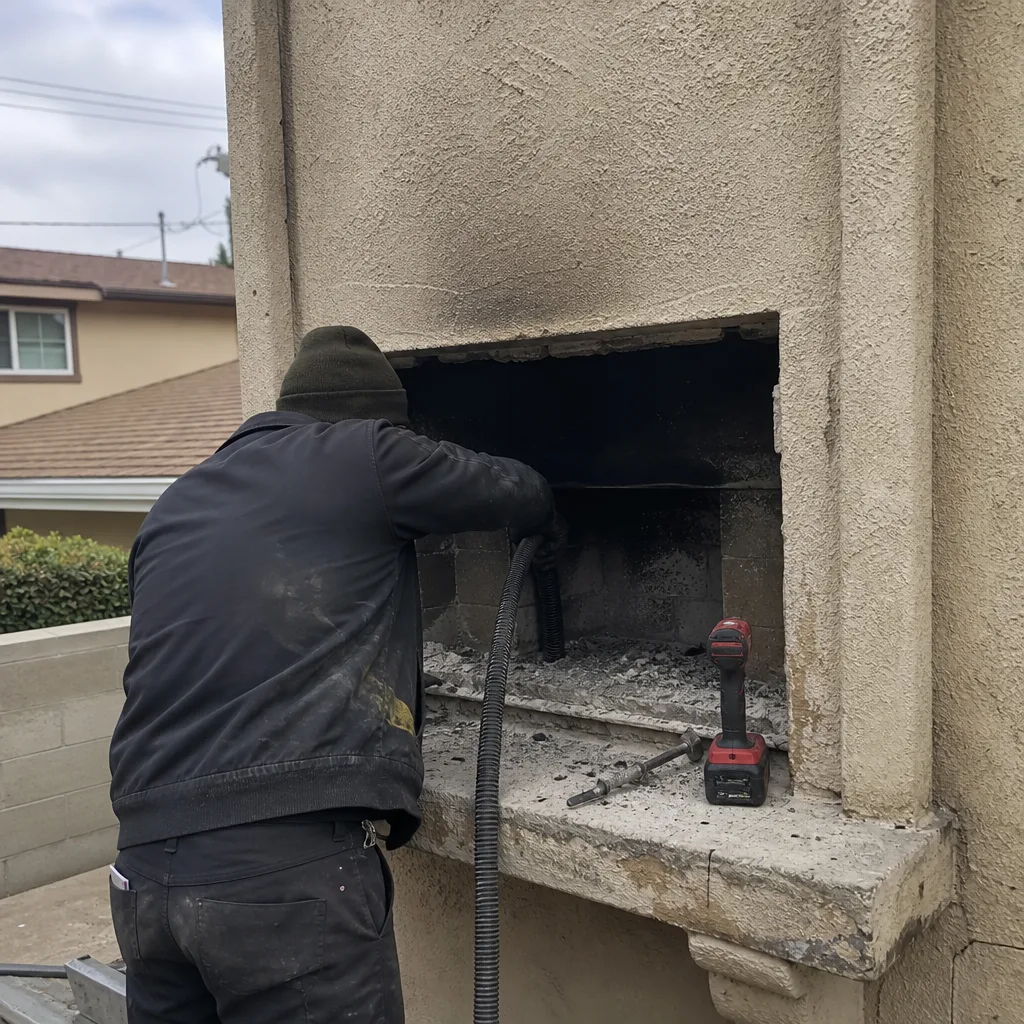 Before
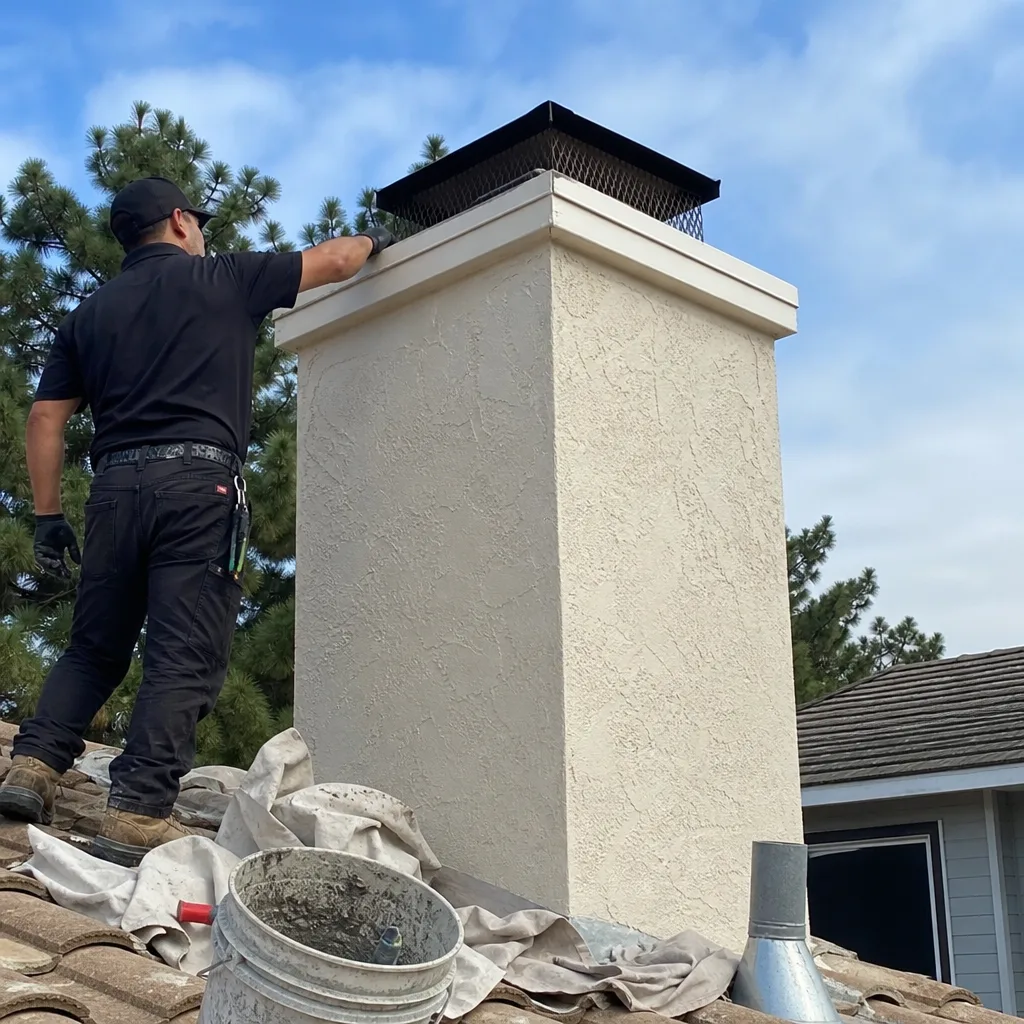 After
After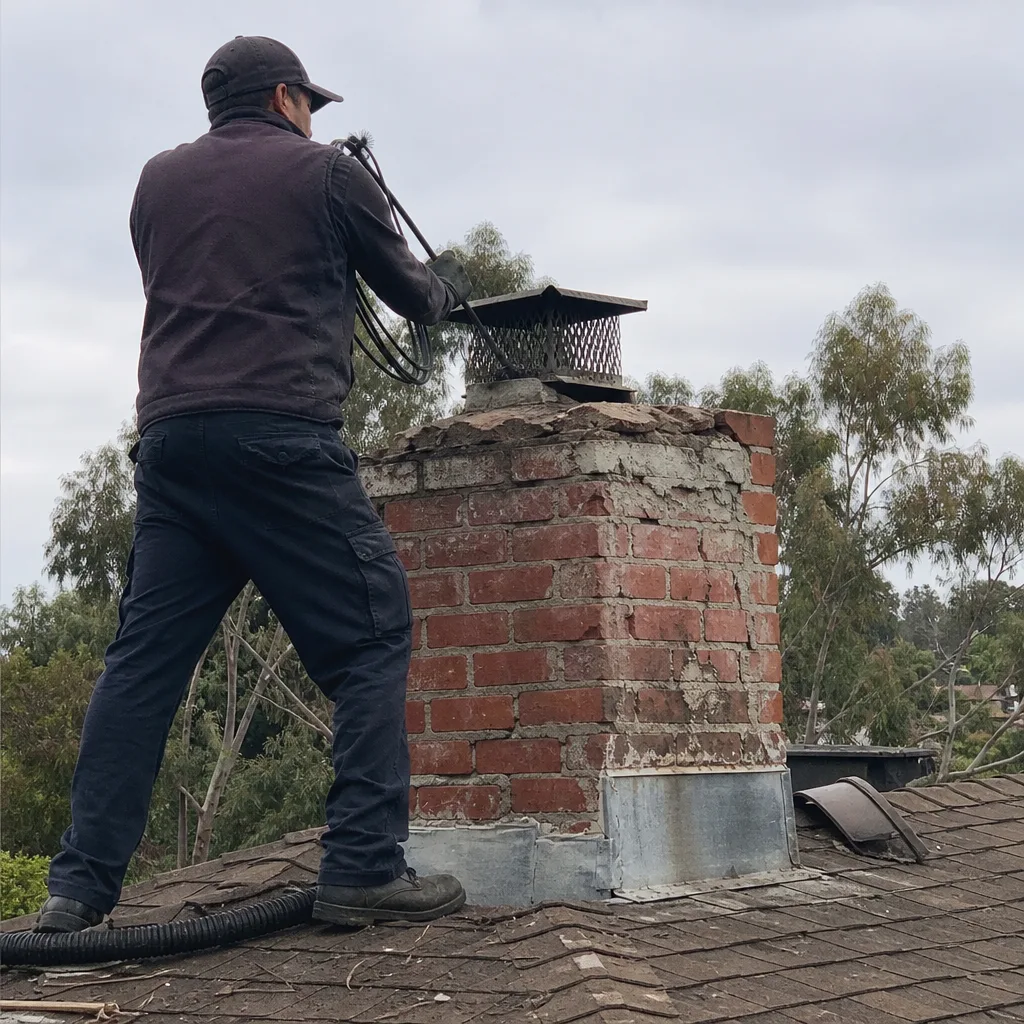 Before
 After
After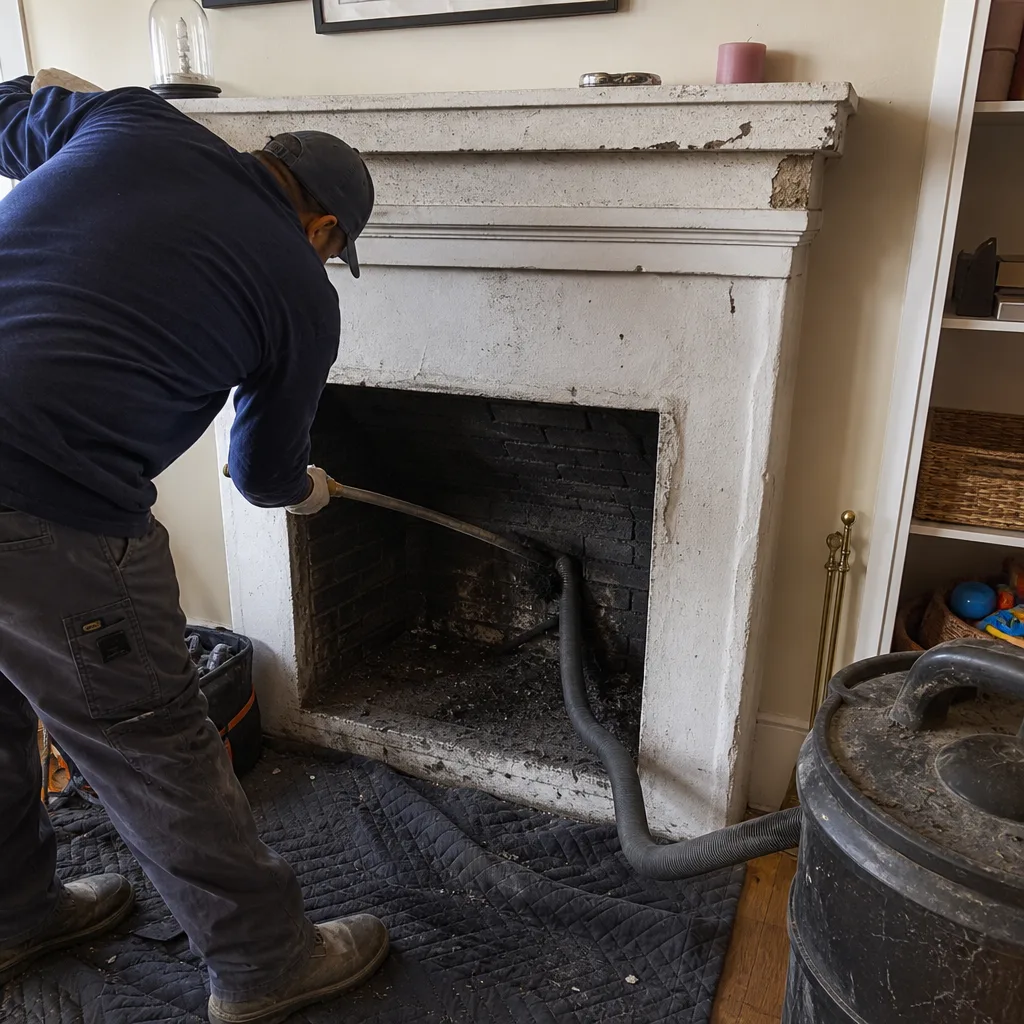 Before
 After
After