
Last updated October 15, 2026
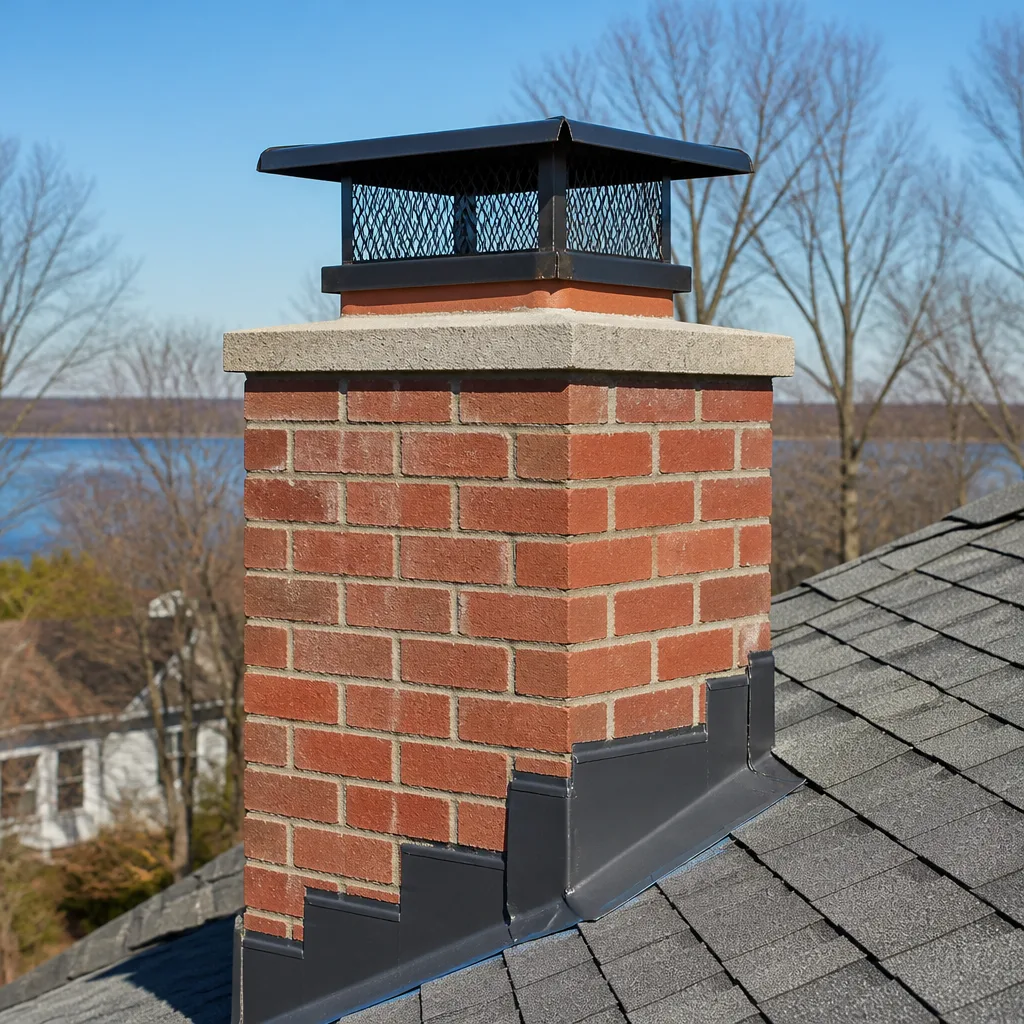 Sweep & inspection
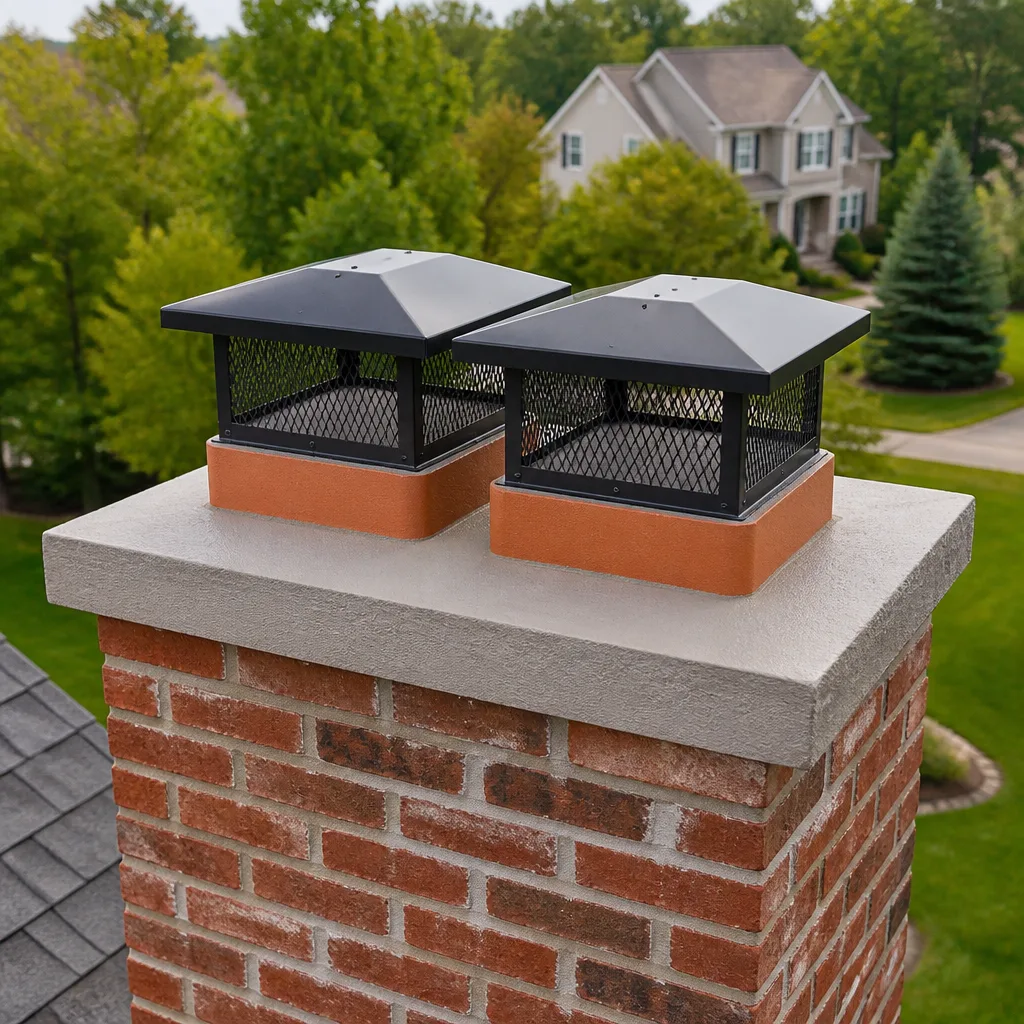 Caps & crowns
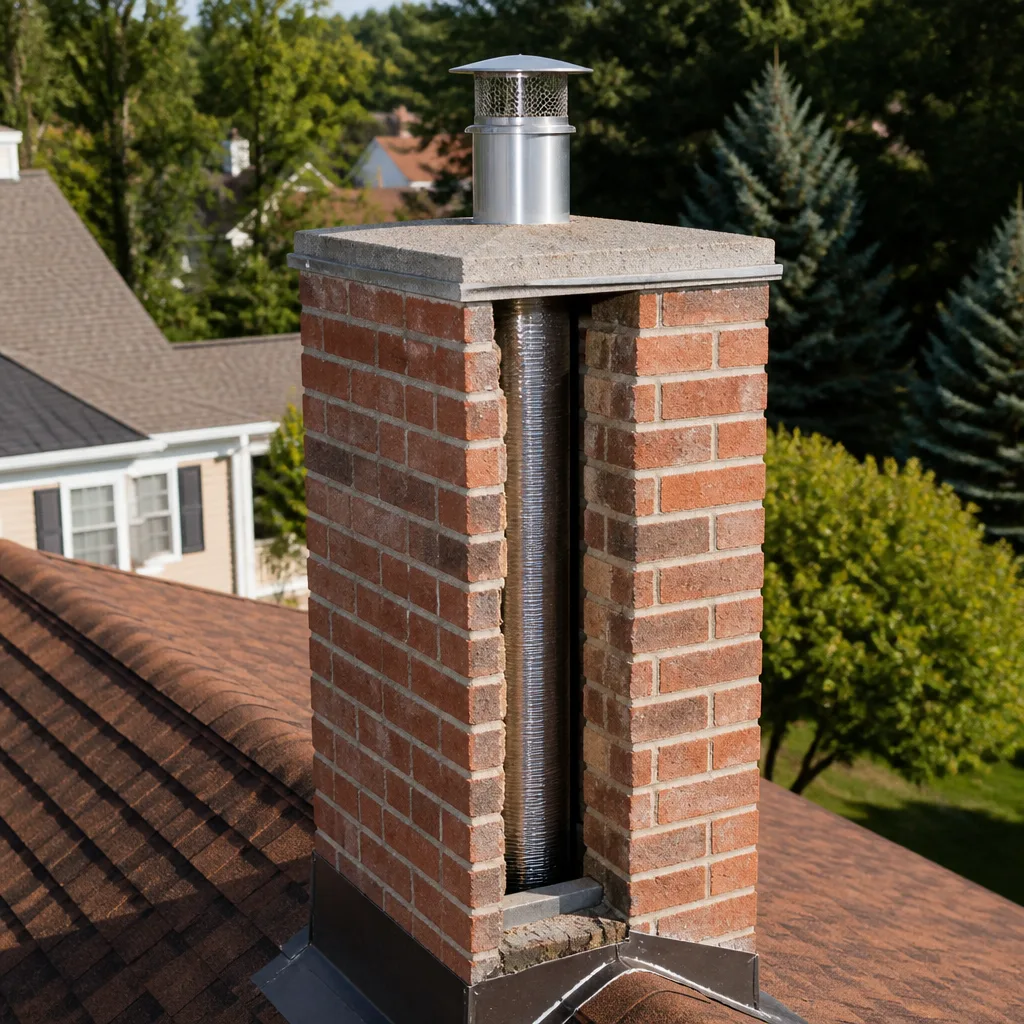 Flue relining
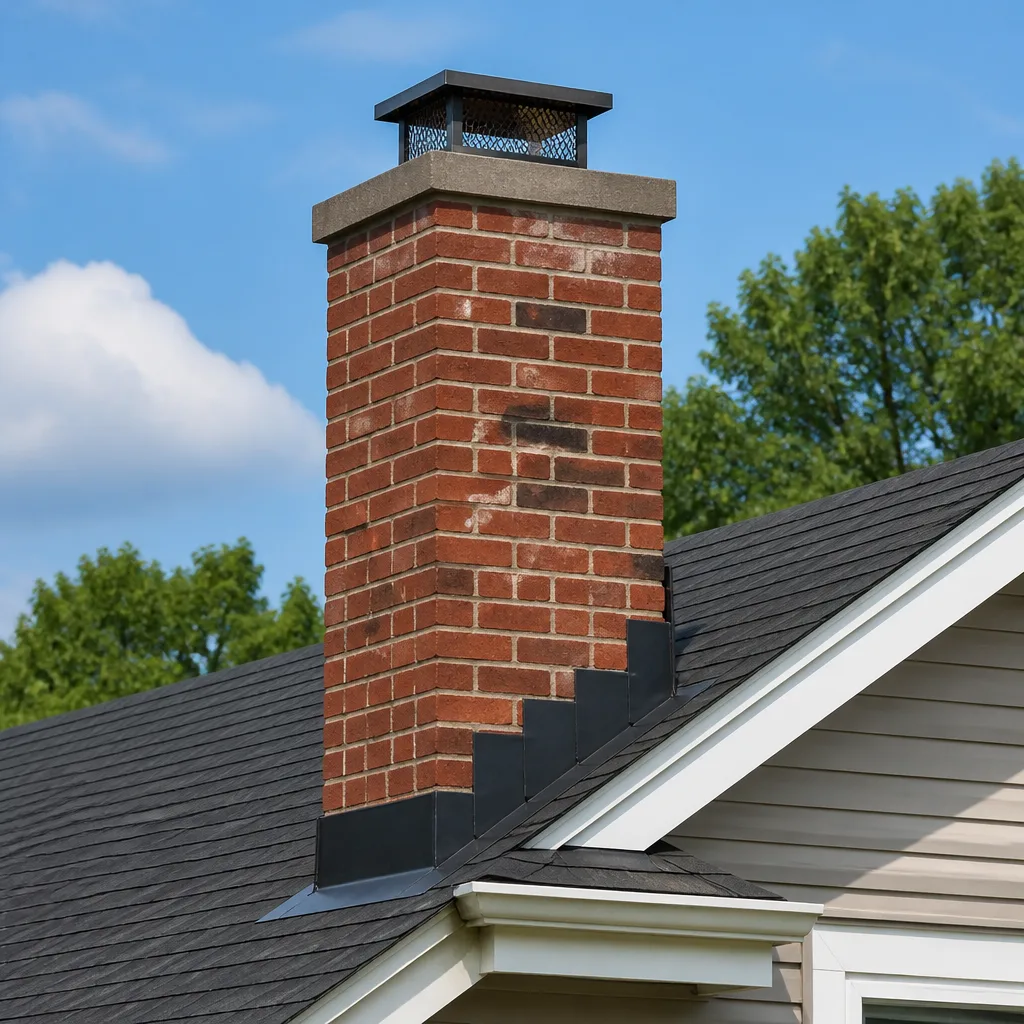 Masonry repair
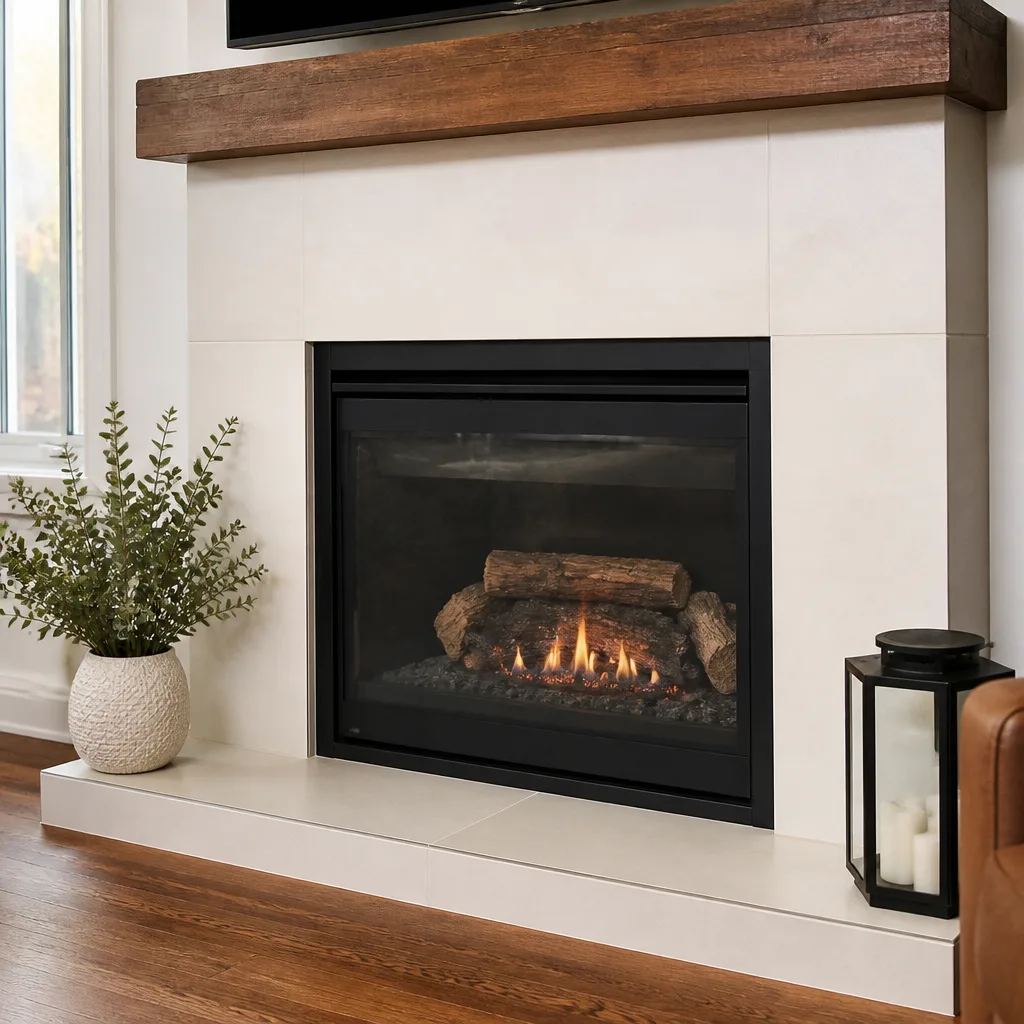 Gas fireplace service
Level 1 sweep and inspection to the NFPA 211 annual standard - flue, crown, cap, and flashing checked and photographed
Chimney sweep logs do not sweep chimneys. They loosen some creosote - which then falls where a brush and vacuum still have to collect it.
The Complete Guide to Chimney Cleaning in Torrance
Here’s a number most Torrance homeowners don’t expect: the majority of gas fireplaces in our city haven’t been inspected in over three years. That’s not a guess, it’s what we see on service calls every week. The assumption that gas means low-maintenance is exactly what lets carbon monoxide risks and corroded flues go undetected in Torrance homes. This guide covers everything about chimney cleaning in Torrance, from what a sweep actually includes to what marine air does to your flashing, what a Level 2 inspection is and when you need one, and what a legitimate appointment should look like from start to finish. For more guides & resources, visit our blog.
Quick Answer
Chimney cleaning in Torrance typically costs $169 to $349 for a standard sweep and inspection, and regardless of whether you burn wood or run a gas fireplace, you need the flue checked every year. Gas fireplaces still produce acidic byproducts that corrode liners, and Torrance’s ocean air accelerates rust on flashing and caps faster than inland California. A proper cleaning appointment includes a written price before work starts, camera documentation of the flue interior, and before-and-after photos you can actually see.
Styles & brands we work with
Table of Contents
- Why Torrance Chimneys Need Different Care Than Inland California
- The Gas Fireplace Myth: Why “Low Maintenance” Is a Dangerous Assumption
- What Actually Happens During a Chimney Cleaning in Torrance
- Level 1, Level 2, and Level 3 Inspections: Which One You Actually Need
- Santa Ana Winds, Debris, and Animals: Torrance-Specific Problems
- How Torrance’s Marine Air Attacks Your Chimney
- What Does Chimney Cleaning Cost in Torrance?
- What’s Missing If a Tech Won’t Show You Before-and-After Photos
- Common Mistakes to Avoid
- When to Call a Professional
- Frequently Asked Questions
Why Torrance Chimneys Need Different Care Than Inland California
Most chimney guides online are written for cold-climate homes that burn cordwood five months a year. Torrance is a different animal entirely. We don’t get freezing winters, we don’t burn wood daily, and our chimneys don’t accumulate the thick, tarry creosote (the flammable tar buildup that makes chimneys a fire risk) that Vermont or Minnesota homeowners wrestle with. But that doesn’t mean Torrance chimneys are low-maintenance. It means the maintenance is different, and honestly, it’s easier to ignore because the warning signs aren’t as obvious.
Here’s what shapes chimney care in Torrance specifically:
- Marine air corrosion: Homes west of Crenshaw Boulevard sit close enough to the ocean that salt-laden air constantly works on metal components. Stainless steel caps rust faster, galvanized flashing degrades quicker, and even aluminum siding shows it. Chimney flashing, the metal strip where the chimney meets the roof, is a prime target.
- Light seasonal use: Most Torrance homeowners run their fireplace from November through February, and not every day. That means the creosote you do produce bakes in place during the spring and summer, hardening and becoming more difficult to remove. It also means animals have a long, quiet window to move in.
- Gas fireplace dominance: A large share of Torrance homes built since the 1980s have gas fireplaces. Gas fireplaces don’t produce creosote in the traditional sense, but they do produce acidic condensate that eats away at mortar and liner material over time. More on that below.
- Santa Ana wind events: When those hot, dry winds come down through the canyons in October and November, they push leaves, twigs, and loose debris into chimney flues at rates that surprise most residents. We see it every fall.
That combination means the standard advice you’d find for a Minnesota chimney doesn’t transfer here. A Torrance chimney needs inspection for corrosion, animal intrusion, and gas venting integrity, not just creosote buildup. If you’re looking for a full Chimney Sweep in Torrance, we cover all of it in one visit.
The Gas Fireplace Myth: Why “Low Maintenance” Is a Dangerous Assumption
Gas fireplaces have a reputation problem, and that reputation is that they’re basically maintenance-free. Flip a switch, get a flame, done. No wood, no ash, no creosote. That’s the pitch, and it’s partially true. Gas fireplaces don’t produce the thick, tarry creosote that wood burning does. But they produce something else that gets ignored, and in Torrance, that something is a slow-moving problem.
When natural gas burns, the combustion byproducts include water vapor and small amounts of sulfur and nitrogen compounds. As those gases rise through the flue, they cool and condense on the liner walls. That condensate is mildly acidic. Over years of seasonal use, it etches the surface of clay tile liners and corrodes metal components. The result looks less dramatic than creosote buildup, but it’s the same category of issue: a compromised flue that can’t safely vent combustion gases out of your home. If the liner develops cracks, carbon monoxide can enter the living space. And because carbon monoxide is odorless, you won’t know it’s happening without a properly maintained flue and a working CO detector.
What we see in Torrance gas fireplaces during cleanings includes:
- White, chalky deposits on the liner walls, which are mineral residue from years of condensate action.
- Rust and corrosion on the damper assembly and firebox interior, accelerated by marine air.
- Birds’ nests and debris in the flue, because unsealed gas flues are a magnet for birds who find the upper flue tile a cozy spot between uses.
- Failed or cracked ceramic logs, which can shift over time and send flame patterns into places they shouldn’t go.
None of these are things a casual glance at your fireplace will reveal. They live inside the flue, above the damper, where you can’t see without a camera. That’s why we recommend an annual flue inspection and cleaning for gas fireplaces in Torrance, not the “check it when you remember” approach. We’ve had homeowners in the Hollywood Riviera and Southwood neighborhoods tell us their gas fireplace “works fine,” only for the camera to show a flue liner with a crack running two feet down its length.
What Actually Happens During a Chimney Cleaning in Torrance
A legitimate chimney cleaning appointment is not a guy with a brush showing up for 20 minutes and leaving a bill. Here’s what a proper appointment includes, start to finish, when you book with a transparent service provider. We can only speak to our own process, which is: written price before work, live arrival tracking, camera inspection, cleaning, and photo documentation at the end. If your current provider doesn’t do all five, you’re missing something.
- Written price before work starts. The tech assesses the job, explains what needs to be done, and gives you a written price. Not a verbal estimate, not a “we’ll see how it goes.” A written number. You approve it before anyone picks up a brush.
- Drop cloths and protection. The area around your fireplace gets covered, and the tech uses a HEPA-filtered vacuum to contain dust. If a company doesn’t protect your floors and furniture, that’s a red flag.
- Pre-cleaning camera inspection. Before any cleaning, a camera goes up the flue to document what’s there. Creosote, debris, animal nests, liner condition, everything. This is your baseline. You should see these photos.
- The cleaning itself. Depending on what the camera found, the tech uses brushes sized to your flue, or in some cases rotary cleaning equipment. For a standard maintenance sweep with light creosote, manual brushing and vacuuming is fine. For heavy buildup or hardened creosote, rotary tools are more thorough.
- Post-cleaning camera verification. After the cleaning, the camera goes up again. You see the before and the after. The flue should look visibly cleaner, and any damage the tech found should be documented and explained.
- Written report and recommendations. You get a report that includes the photos, the condition assessment, and any recommendations for repair or further inspection. No vague “you should think about a liner” nonsense. Specifics, with pictures.
- Digital invoice. You pay from a link on your phone. No paper, no “I’ll leave a bill in the mailbox.” Every job at Hadley Chimney Torrance includes a digital invoice, as part of The Relay Visibility Guarantee.
If a tech won’t show you before-and-after photos, ask why. There’s no legitimate reason to withhold them. Photo documentation is how you know the work was actually done, and it’s a standing commitment in our process, not an add-on you have to request. The Relay Visibility Guarantee means live arrival tracking, before-and-after photo documentation, and a written price before work begins on every job, not just the big ones.
For a detailed look at the full scope of our Chimney Sweep in Torrance service, that page walks through what we check and what you can expect.
Level 1, Level 2, and Level 3 Inspections: Which One You Actually Need
Chimney inspections come in three levels, defined by the National Fire Protection Association (NFPA 211). Understanding the difference will save you from being upsold a Level 3 inspection when a Level 1 is all your situation requires, and from skipping a Level 2 when your circumstances genuinely call for it.
Level 1 inspection: This is the standard annual check. The tech examines the readily accessible portions of the chimney, the flue, the firebox, and the exterior. If your fireplace is used the same way as the previous year, and you haven’t changed anything about the appliance or the venting, a Level 1 is appropriate. It’s the minimum every chimney should get each year, and it’s included with every standard chimney cleaning.
Level 2 inspection: This is a deeper inspection that includes everything in Level 1, plus video camera scanning of the entire flue interior and inspection of the attic, crawl space, and roof areas around the chimney. You need a Level 2 when:
- You’re buying or selling a home in Torrance.
- A Santa Ana wind event or earthquake has potentially damaged the chimney (and in Southern California, seismic activity is a real factor).
- You’re changing the fuel type (e.g., converting wood to gas, or vice versa).
- A chimney fire occurred, even a small one.
- You’ve owned the home for years and have no idea what the inside of the flue looks like.
A real estate transaction in Torrance almost always triggers a Level 2, and it’s the right call. We find flue damage during Level 2 inspections regularly that would have gone completely unnoticed during a surface-level sweep. The camera doesn’t lie.
Level 3 inspection: This is the invasive one. It involves removing portions of the chimney structure, like breaking out a section of the flue or opening up the wall, to access concealed areas. A Level 3 is only necessary when a Level 1 or Level 2 has already identified serious damage that requires this kind of access to fully assess. You should never be told you need a Level 3 inspection without a clear, photo-documented explanation of why from a previous inspection.
In our experience, most Torrance homeowners who call us for a Chimney Repair in Torrance need either a Level 1 (routine) or Level 2 (real estate or first-time inspection). Level 3 is rare, and it’s always a consequence of prior findings, not a first step.
Santa Ana Winds, Debris, and Animals: Torrance-Specific Problems
Ask any chimney professional in Southern California what happens in October and November, and they’ll tell you the same thing: the calls spike. For a full breakdown of what to do each season, see Seasonal Chimney Cleaning Care for Torrance: Year-Round Homeowner’s Guide. Santa Ana wind events don’t just make your allergies act up and your car dusty. They push an enormous amount of dry debris into chimney flues, and the gusts create a pressure differential that can pull small animals and nesting material into places they’d otherwise avoid.
Torrance sits in a position where Santa Ana winds funnel through the South Bay with enough force to strip leaves from trees that have held onto them all summer. That debris ends up in your yard, in your gutters, and yes, in your chimney flue. If you don’t have a properly fitted chimney cap with a spark arrestor mesh, leaves, twigs, and even palm debris can fall straight down the flue. Once that material is in there, it becomes kindling. A stray ember from your gas fireplace, or from a neighbor’s fire, can ignite it.
Animals are a bigger issue than most Torrance homeowners expect. Birds, squirrels, and rats all see an uncapped flue as shelter. The quiet periods when you’re not using your fireplace, which in Torrance is most of the year, give them ample time to build nests, raise young, and leave behind material that’s both a fire hazard and an airflow obstruction. We’ve removed nests from flues that filled the entire cross-section, forcing combustion gases back down into the home.
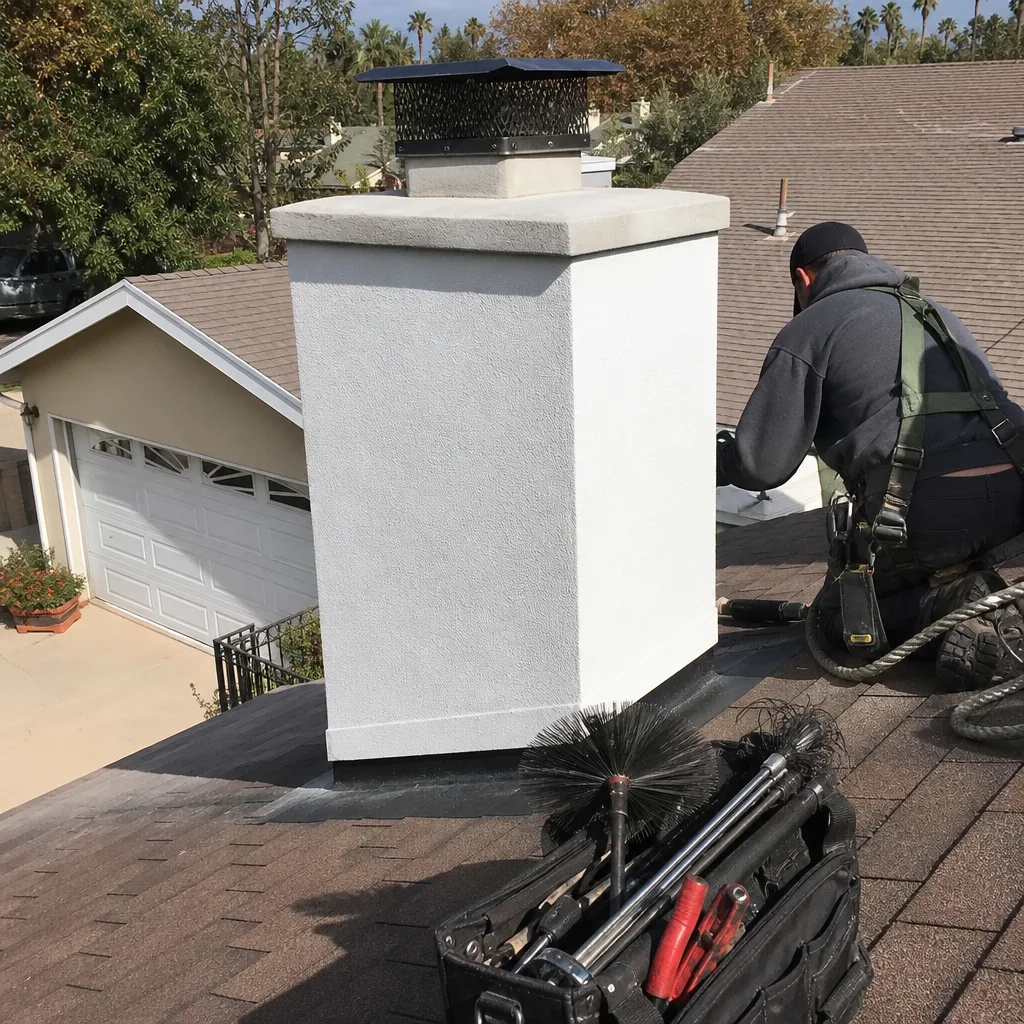
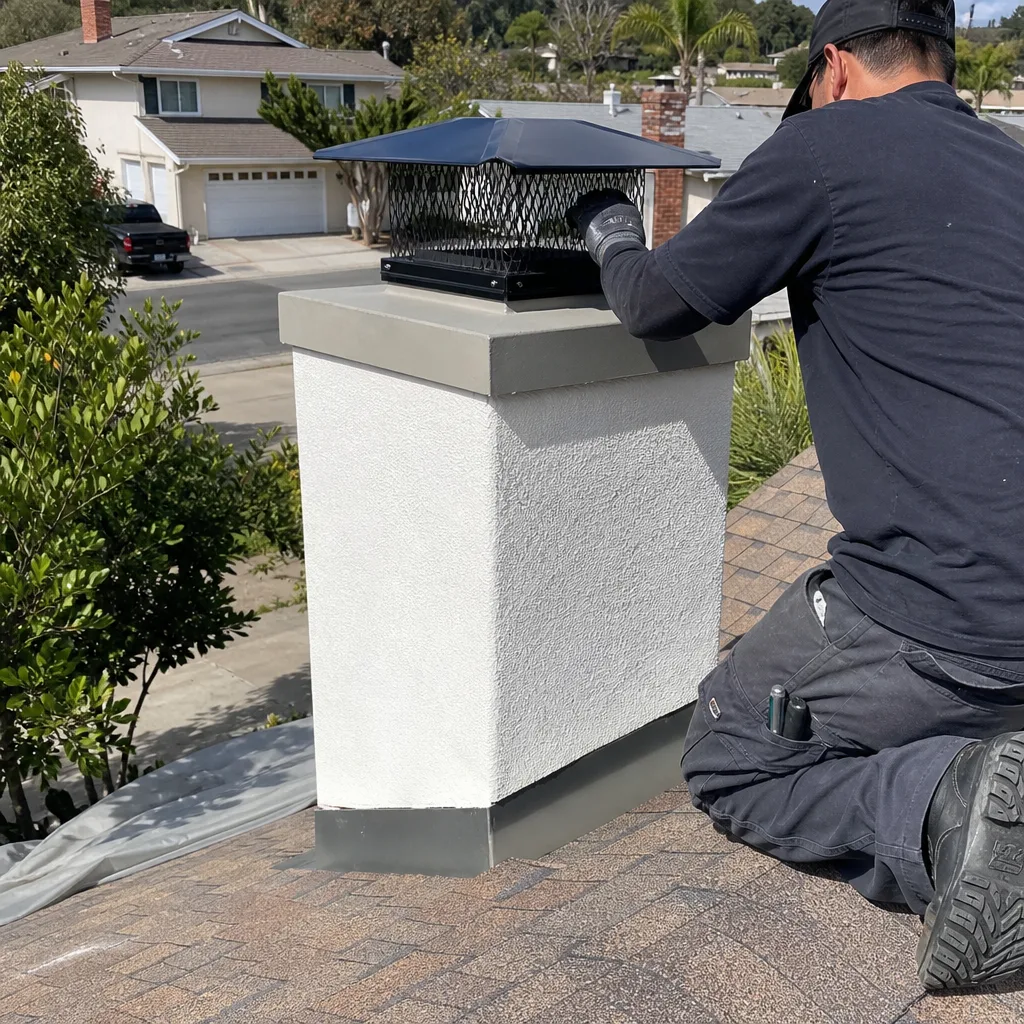
The fix is simple: a properly installed chimney cap with mesh screening. The cap keeps debris out, keeps animals out, and still allows proper venting. During chimney cleaning, we always check the cap condition, and in Torrance where marine air accelerates rust, it’s common to find caps that need replacement after just a few years of exposure. A stainless steel cap is the right move near the coast, and it’s one of the most cost-effective ways to prevent expensive problems.
How Torrance’s Marine Air Attacks Your Chimney
If you live in North Torrance or anywhere east of the 405, you might think the ocean is too far away to matter. It isn’t, especially when it comes to chimney components. The marine layer that rolls over Torrance carries salt and moisture, and that combination does two things to metal: it conducts electricity that accelerates galvanic corrosion, and it keeps surfaces damp through the morning hours even on summer days.
Chimney flashing is the most visible victim. Flashing is the metal that seals the gap where the chimney passes through the roof. In Torrance, standard galvanized flashing can rust through in 10 to 15 years, faster if it’s near the coast or on a south-facing roof that gets full sun and marine air cycles. When flashing fails, water finds its way into the roof deck, and then into your attic, and then you’re looking at drywall damage inside the home. The chimney cleaning itself doesn’t fix flashing, but a proper inspection catches it before it leaks.
The chimney cap and damper suffer the same corrosion. A rusted damper won’t seal properly, which means conditioned air escapes up the flue in summer and cold air drops in during winter. A rusted cap can collapse, leaving your flue wide open to debris and animals. Stainless steel replacements from brands like Copperfield and Olympia Chimney are the standard we specify for Torrance homes; they hold up far better than galvanized alternatives in coastal air.
The mortar joints between bricks (the crown and the brickwork itself) also take a beating from marine air. Moisture penetration into mortar, followed by drying cycles, causes spalling, which is the flaking and cracking you see on older chimney exteriors. Torrance homes from the 1950s and 60s, particularly in the Old Torrance and Seaside neighborhoods, are prone to this. Water damage left unaddressed will eventually compromise the structural integrity of the chimney itself, and the repair bill becomes substantially larger than a repointing job would have been.
What Does Chimney Cleaning Cost in Torrance?
Chimney cleaning prices in Torrance are influenced by the local market, the type of fireplace, and the condition of the flue. We always quote a written price before any work starts, so there’s no ambiguity. Here’s what you should expect to see in the South Bay area:
| Service | Typical Range in Torrance |
|---|---|
| Standard chimney sweep (Level 1 inspection included) | $169 – $249 |
| Chimney sweep with Level 2 camera inspection | $299 – $449 |
| Gas fireplace cleaning and inspection | $149 – $249 |
| Chimney cap replacement (stainless steel, installed) | $250 – $500 |
| Chimney cap installation (new install, no existing cap) | $300 – $600 |
| Flashing repair or replacement | $400 – $1,200 |
| Liner repair or resurfacing (HeatShield) | $1,500 – $4,000+ |
These are ranges, not quotes. Your exact price depends on the length of your flue, the amount of buildup, accessibility of the roof, and whether repairs are needed. What matters is that the number is written down before the work begins, so there’s no surprise at the door.
We work with materials from trusted trade brands, including DuraFlex flexible liner systems, HeatShield ceramic repair compound, and Copperfield chimney accessories. If a liner is recommended, it’s because the camera showed damage that creates a genuine safety issue, not because the technician has a quota. We’ll always show you the photos that justify the recommendation.
What’s Missing If a Tech Won’t Show You Before-and-After Photos
Here’s the truth about the chimney industry: it has historically run on vague windows, verbal quotes, and work that the homeowner can’t verify. You can’t climb up on your roof to check the cap. You can’t see inside your flue. You’re being asked to take someone’s word for it. That’s a system built for abuse, and it’s why photo documentation matters so much.
A legitimate chimney cleaning should include photos. Full stop. If a technician won’t show you before-and-after images of your flue interior, what they’re really saying is that they didn’t take any, or they don’t want you to see them. There’s no third option. Camera equipment for chimney inspections is standard, affordable, and has been for a decade. A company that doesn’t use it is either cutting corners or has something to hide.
The Relay Visibility Guarantee exists because of this exact problem. Hadley Chimney Torrance is part of the Relay Home Co. family, and under The Relay Standard, we provide live arrival tracking, before-and-after photo documentation, and a written price before work begins on every single job. You know who is coming, when they’ll arrive, what it will cost, and what they did. That should be the baseline, not the exception.
If you’re evaluating chimney companies in Torrance and one of them can’t answer “will I see photos of the inside of my flue?” with an immediate yes, move on.
Common Mistakes to Avoid
- Assuming gas fireplaces don’t need annual service. Gas fireplaces produce acidic condensate that corrodes liners over time, and a corroded liner is a carbon monoxide risk. Annual inspection is not optional, even if you never burn wood.
- Skipping the chimney cap. An uncapped flue in Torrance is an open invitation for birds, rats, leaves, and Santa Ana debris. A cap costs a few hundred dollars and prevents thousands in damage.
- Waiting to see visible damage before calling. By the time a leak shows up as a water stain on the ceiling, the flashing has been failing for months and the damage is already done. Inspections catch it early.
- Choosing the cheapest sweep and not asking what’s included. A $99 sweep that doesn’t include camera inspection, photos, or written documentation is a sign of a company that’s cutting corners. You’ll pay more later.
- Not verifying that the tech actually showed up and did the work. In the old chimney world, you got a voicemail and a bill. Insist on photo documentation. If they won’t provide it, don’t hire them.
- Ignoring water damage on the exterior of the chimney. Spalling brick and cracked crowns only get worse, and in coastal Torrance air, they deteriorate faster than inland. Small repointing jobs are cheap. Full rebuilds are not.
- Treating a chimney cleaning as a one-time thing. Even if you use your fireplace only a handful of times a year, the flue accumulates debris, animals visit, and marine air corrodes metal. Annual is the right interval for Torrance.
When to Call a Professional
You should schedule a professional chimney inspection any time you can’t confidently say yes to all three of these: the flue has been cleaned in the last 12 months, it’s been inspected with a camera at least once, and you know the chimney cap is in good condition. If you’ve just moved into a home in Torrance and have no idea when the chimney was last touched, get a Level 2 inspection. If you smell musty odors around the fireplace, hear birds in the chimney, notice water stains near the ceiling, or your CO detector has gone off, don’t wait. Schedule an inspection now. If you didn’t know that gas fireplaces are supposed to be inspected annually, that’s the most common reason our customers in Torrance call us, and we’d rather see you for a routine $200 cleaning than a $4,000 repair. Hadley Chimney Torrance offers free estimates in Torrance, call (424) 358-3187.
Frequently Asked Questions
A standard chimney sweep in Torrance typically costs between $169 and $249, which includes a Level 1 inspection. A deeper Level 2 inspection with camera scanning runs $299 to $449. Every quote from Hadley Chimney Torrance is given in writing before work starts, so you know the exact number up front, and you can call (424) 358-3187 for a free estimate.
Every 12 months, regardless of fuel type. Gas fireplaces need annual inspections because the acidic condensate they produce corrodes liners over time, and the flue is subject to the same debris and animal intrusion as wood-burning chimneys. If you burn wood regularly, you may need cleaning more often, and a visual check of creosote buildup will tell you where you stand after the first year.
If the camera shows cracks in the clay tile liner, those cracks are allowing heat and combustion gases to contact the surrounding masonry, and they’re a genuine safety issue. The liner is the barrier between the fire and your home. We specify repairs using HeatShield ceramic compound when the damage is localized and the flue is otherwise in good shape, and a full stainless steel liner from DuraFlex when the damage is extensive. Either way, the recommendation will have photo documentation behind it, and you’ll see the images before any work is approved.
If you have a gas fireplace, the most likely outcomes are a corroded damper, rusted cap, or degraded liner, and the first sign might be a carbon monoxide detector going off or a leak around the flashing. If you burn wood, creosote builds up in layers, and a chimney fire becomes more likely each season. In Torrance specifically, marine air means rust and corrosion proceed faster than you’d expect, so two or three skipped years create more damage here than they would in, say, Riverside.
Yes. High winds can loosen the cap, dislodge flashing, and push debris into the flue. It’s a good practice to schedule a visual inspection after a major Santa Ana event, especially if you’re in an exposed area of Torrance, like the hills around Palos Verdes or open neighborhoods in South Torrance. A quick inspection costs far less than repairing water damage from a displaced flashing.
Both. Gas fireplaces produce light deposits that need periodic removal, and the firebox itself accumulates dust, debris, and spider webs that affect performance and can cause odor. The cleaning is less involved than a wood chimney, but the inspection is just as important. We check the venting, the damper, the cap, and the liner every time we clean a gas fireplace in Torrance.
The Bottom Line
Chimney cleaning in Torrance is not about cold winters and heavy creosote; it’s about gas fireplace integrity, marine air corrosion, Santa Ana debris, and the slow, often invisible damage that accumulates when a flue goes unchecked for years. The fix is simple, affordable, and entirely within your control: a written-price inspection once a year, with camera documentation and before-and-after photos. If you haven’t had your chimney inspected in the last 12 months, the smart move is to schedule a Gas Fireplace Repair in Torrance inspection or a full sweep through our Hadley Chimney Torrance home page. The inspection is free, the pricing is written, and the photos will show you exactly what’s going on up there.
Written by Cory Mitchell, Owner at Hadley Chimney Torrance, serving Torrance since 2003.
See the difference
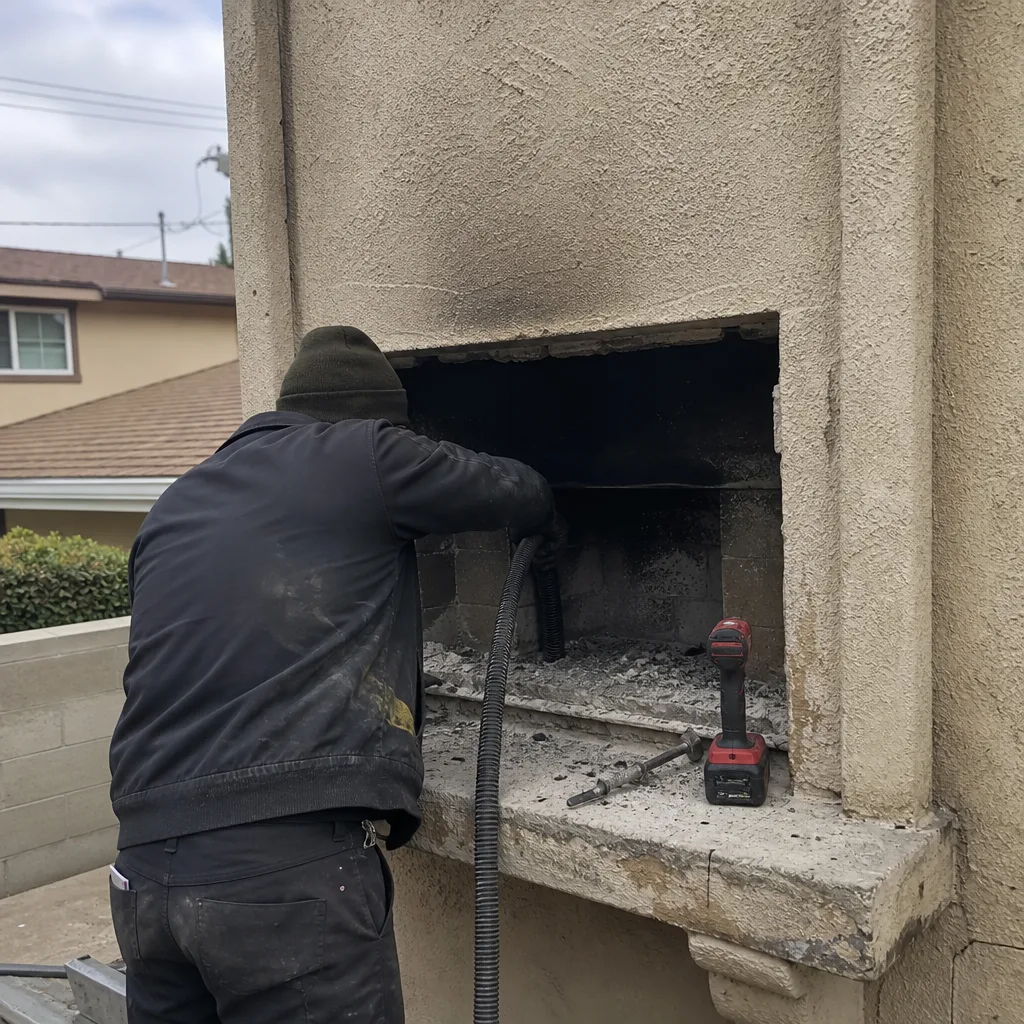 Before
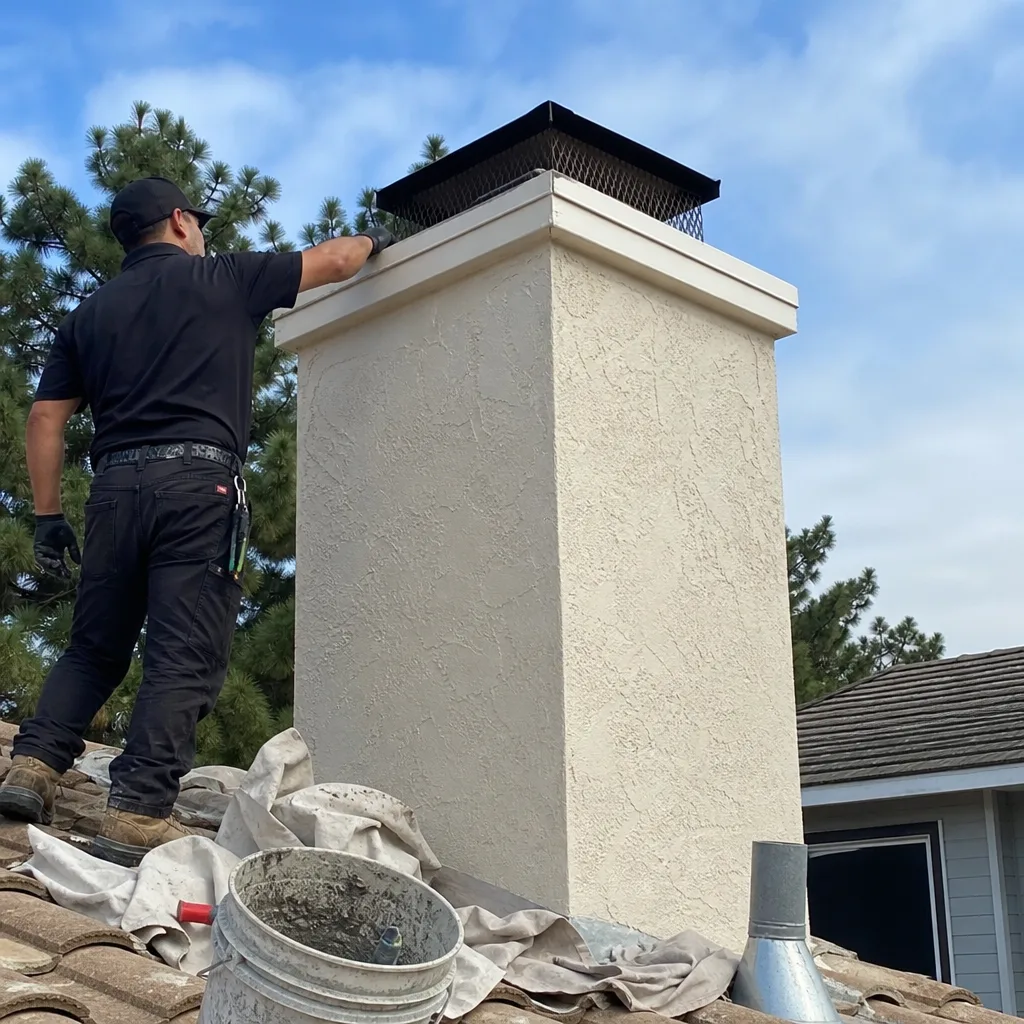 After
After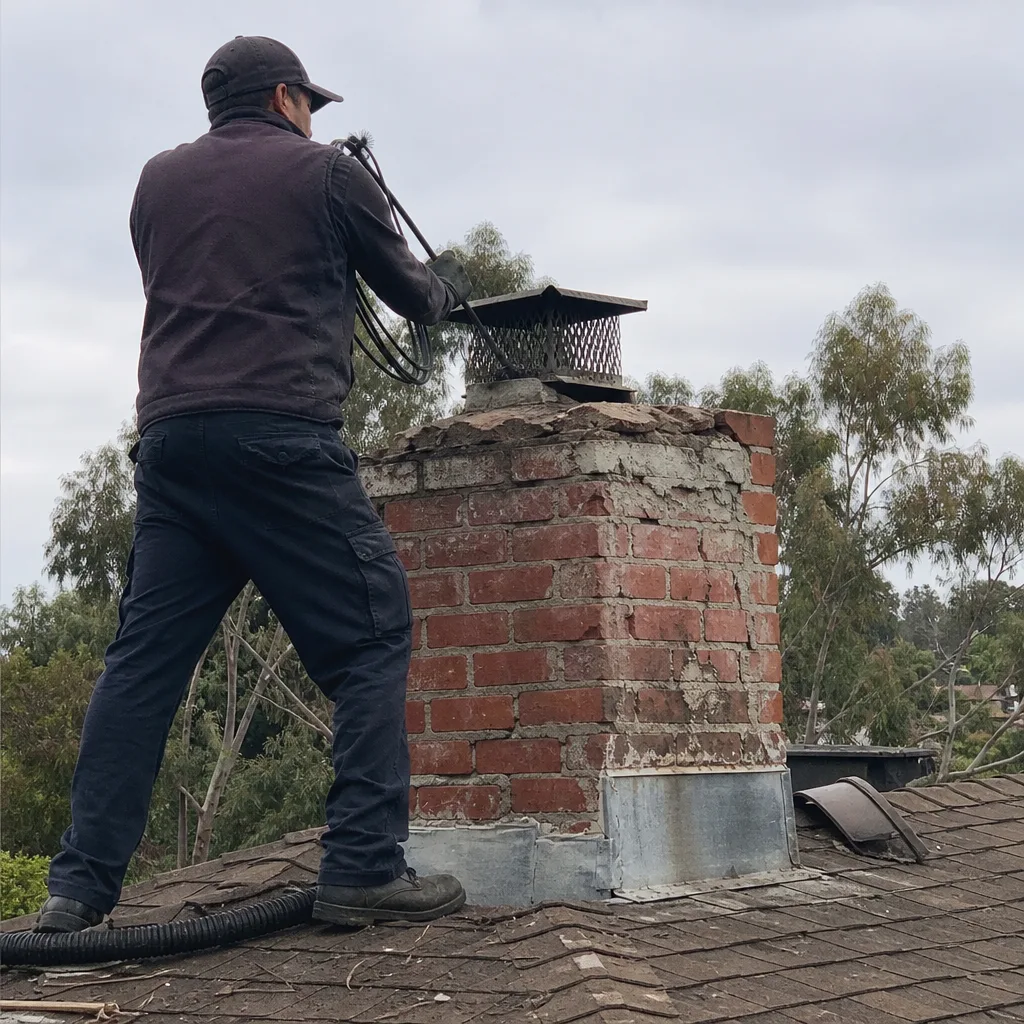 Before
 After
After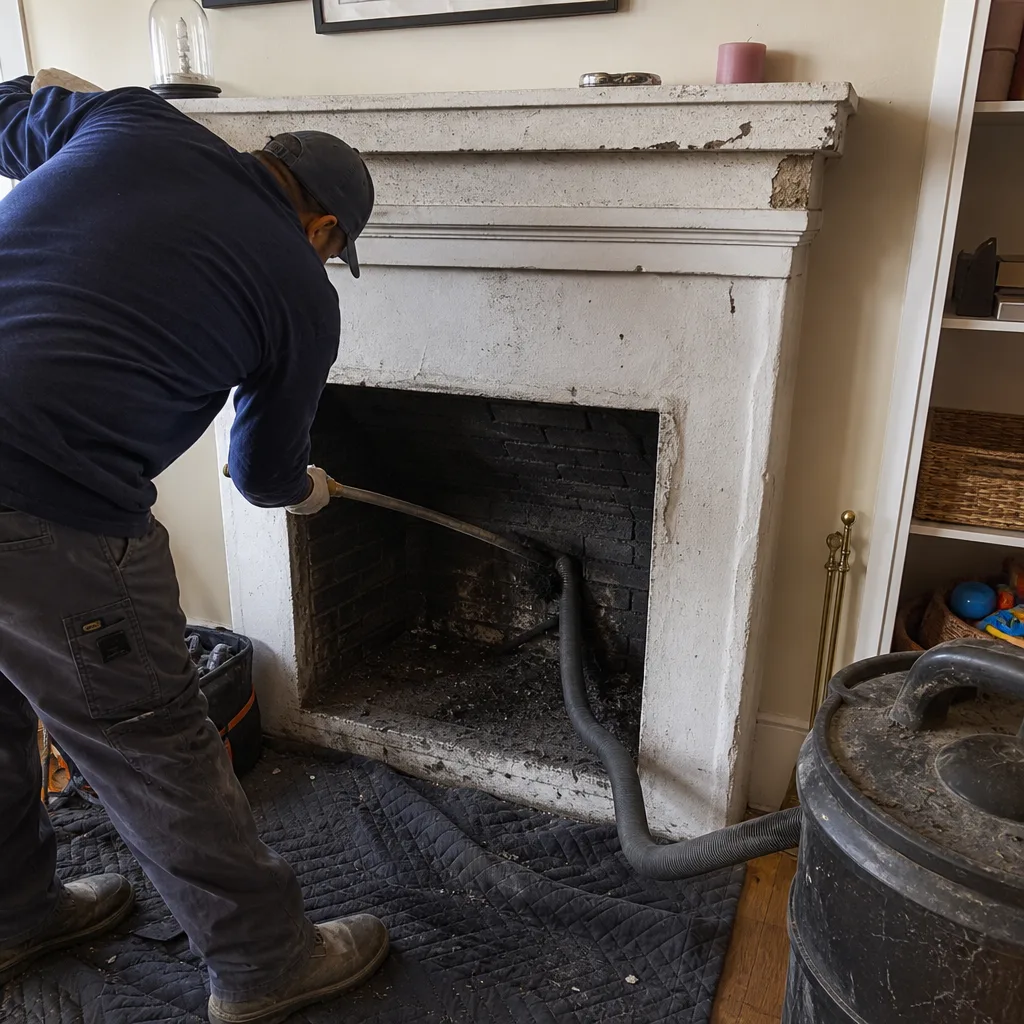 Before
 After
After