
Last updated October 15, 2026
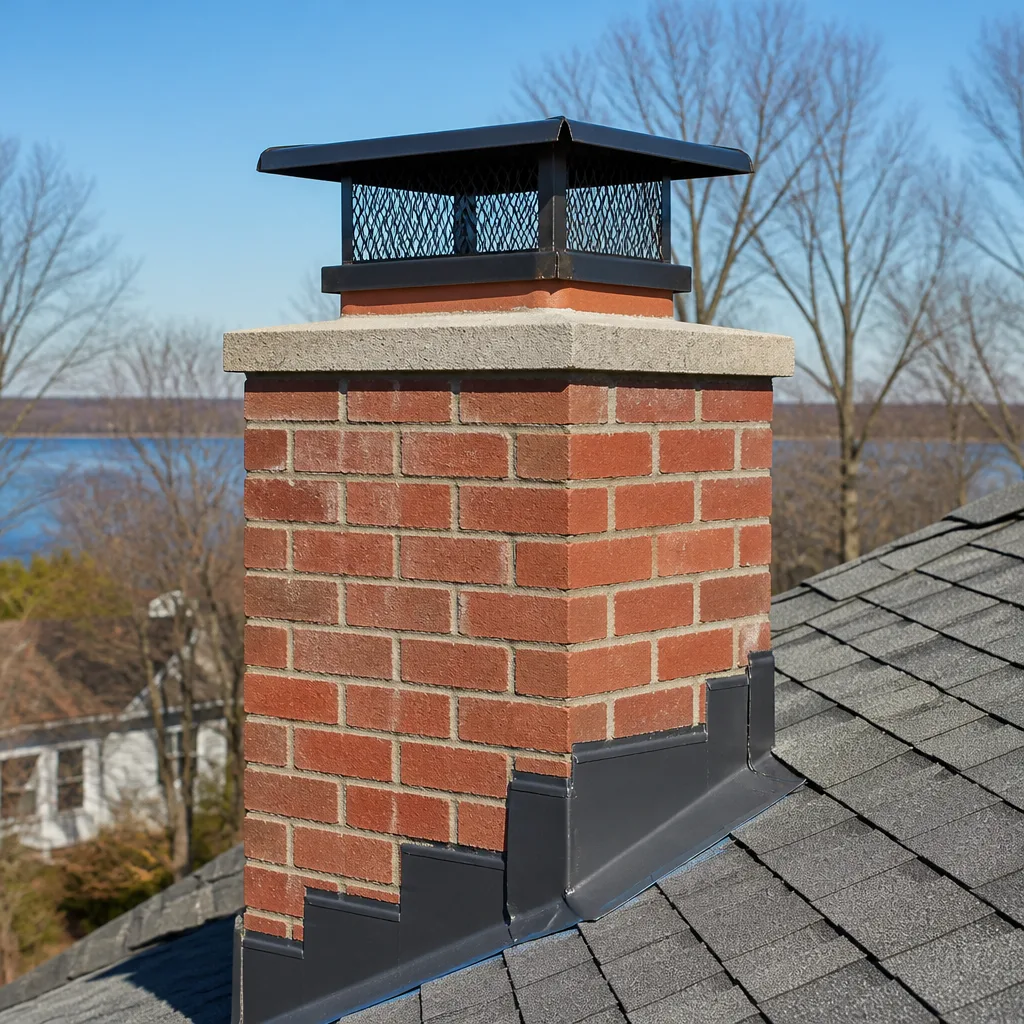 Sweep & inspection
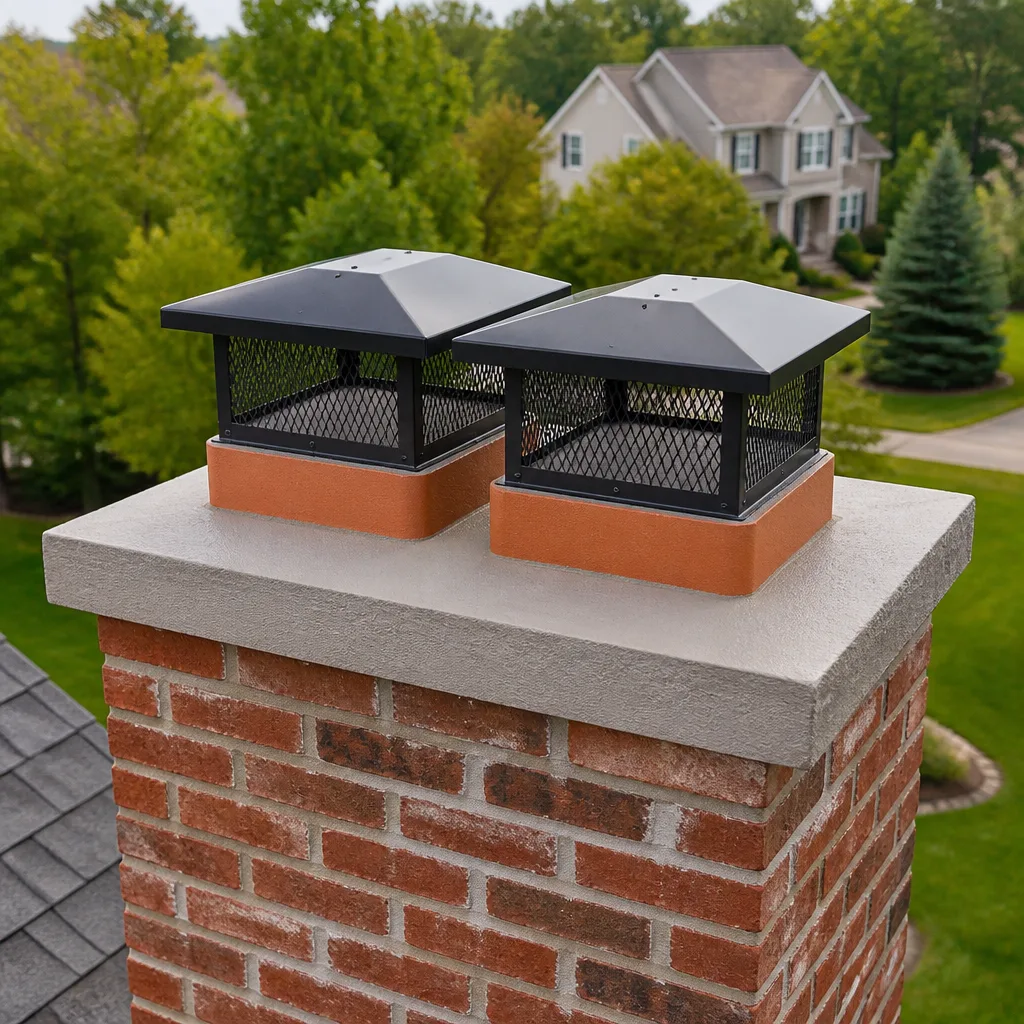 Caps & crowns
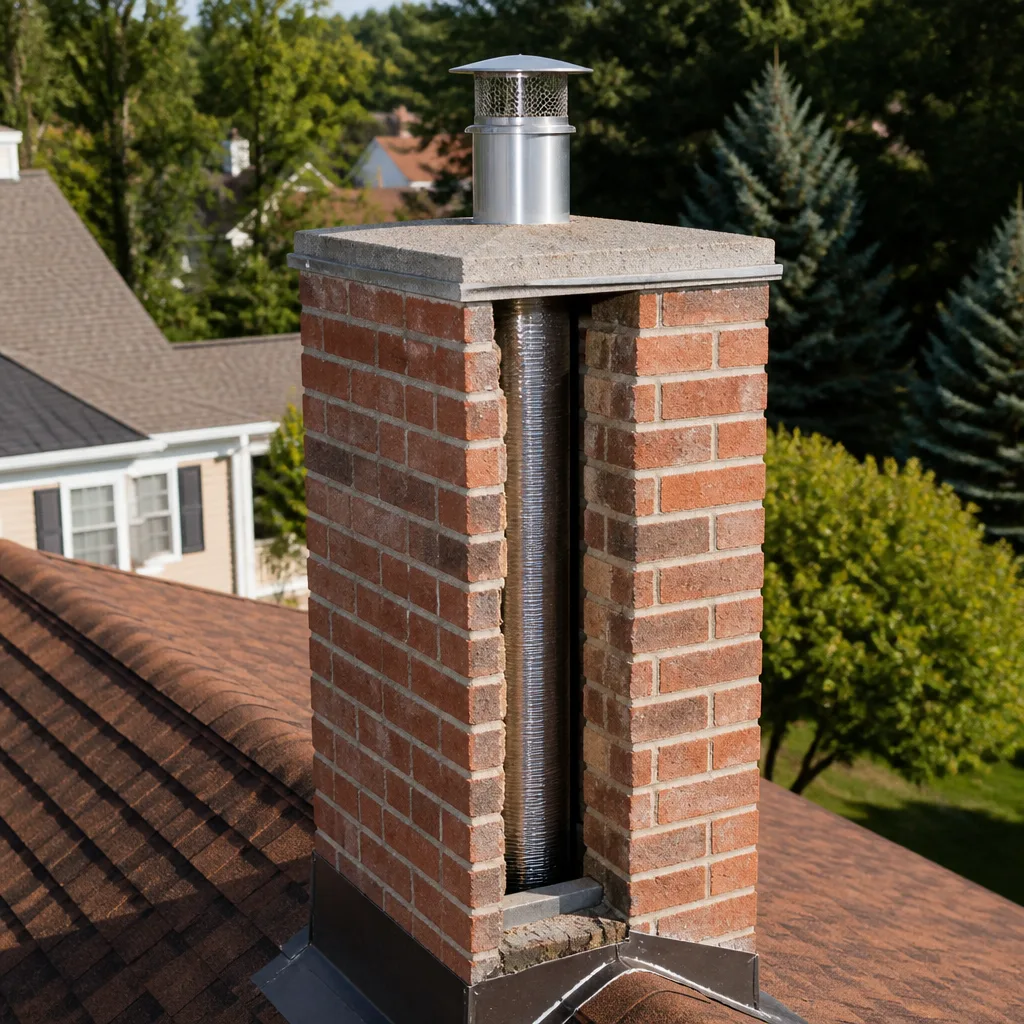 Flue relining
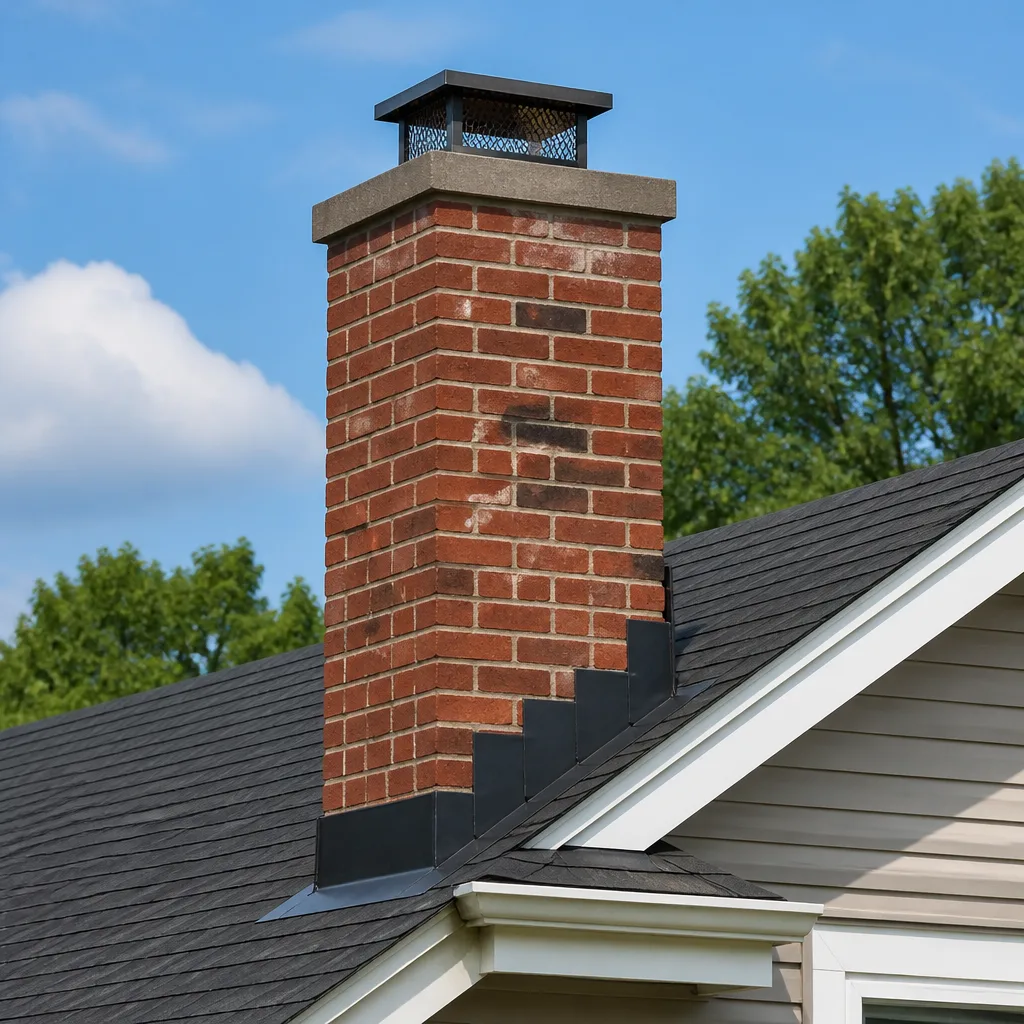 Masonry repair
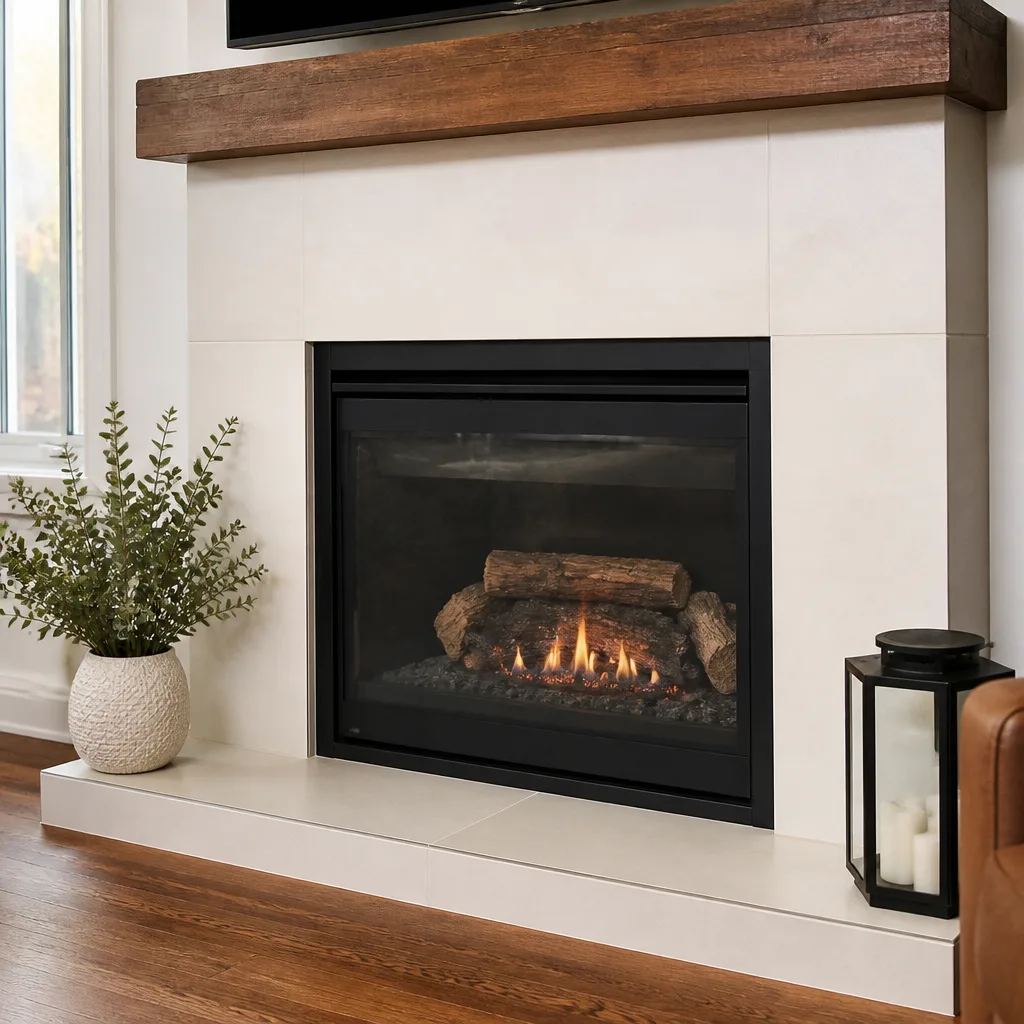 Gas fireplace service
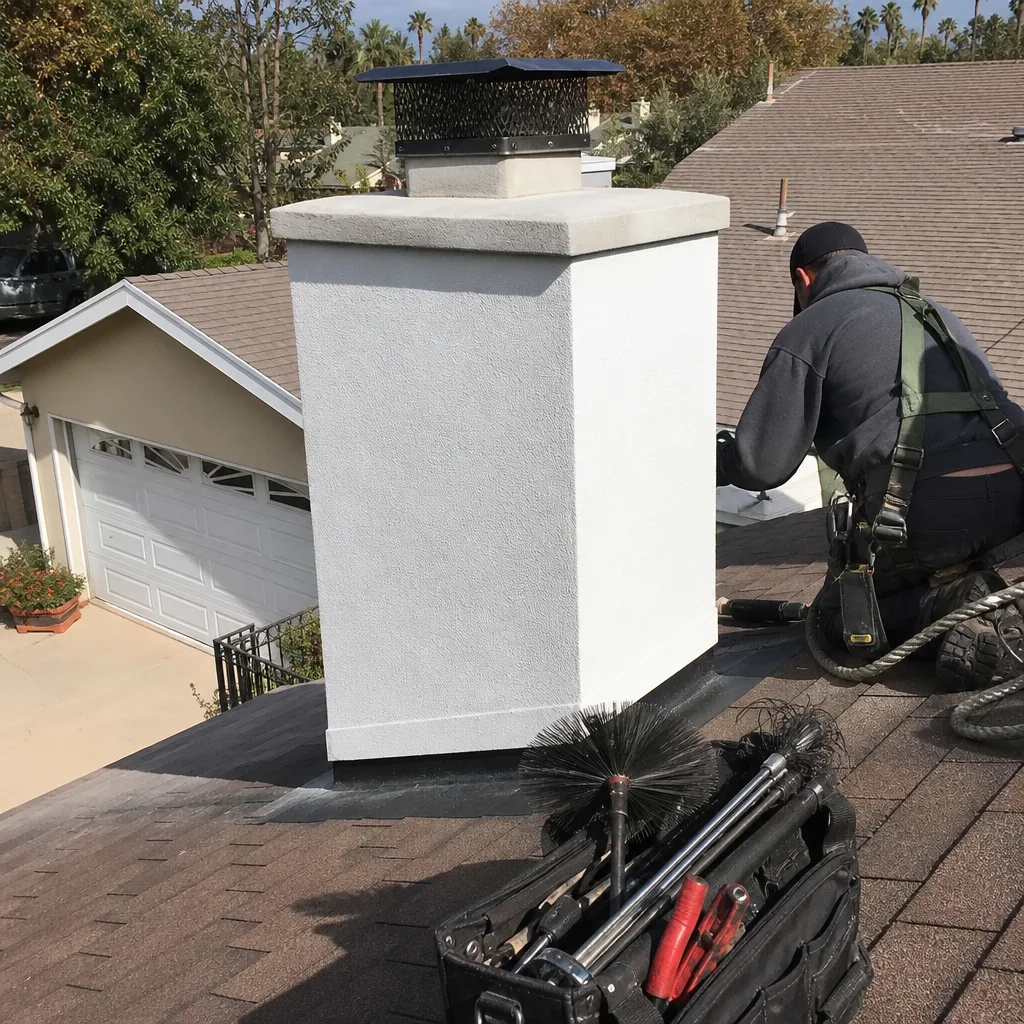
Level 1 sweep and inspection to the NFPA 211 annual standard - flue, crown, cap, and flashing checked and photographed
Chimney sweep logs do not sweep chimneys. They loosen some creosote - which then falls where a brush and vacuum still have to collect it.
Chimney Sweep Maintenance Checklist for Torrance Homeowners
A once-a-year chimney checklist made sense when people burned wood every night in winter. But in Torrance, where a fireplace might run six times between October and March, the trigger for maintenance is what happened to your home, not what month it is. A Santa Ana wind event, the first cold snap that makes you reach for the gas key, or a week of heavy rain each leaves a different signature on your chimney system. This guide gives you a condition-based checklist for Torrance specifically, so you’re checking the right things at the right moments, and not paying for our Chimney Sweep services before you actually need them.
Quick Answer
A useful chimney maintenance checklist for Torrance homeowners is trigger-based, not calendar-based: check your chimney after major Santa Ana wind events, before your first fire of the season, and after significant rain. Most homeowners can safely eyeball the firebox, damper, and exterior masonry, while a trained tech with a camera should inspect the flue interior, crown, and flashing at least once a year, or after any event that might have shifted the system. If you see creosote buildup the texture of coffee grounds or any water staining, call a pro to assess before your next fire.
Styles & brands we work with
Table of Contents
- Post-Santa-Ana-Wind Checklist
- First-Use-of-Season Checklist
- Post-Rain Water Intrusion Checklist
- What You Can Safely Check From the Firebox Opening
- What Requires a Tech With a Camera
- Building a Photo-Documentation Habit
- Gas Fireplace vs. Wood-Burning Fireplace Maintenance Differences
- Common Mistakes to Avoid
- When to Call a Professional
- Frequently Asked Questions
Post-Santa-Ana-Wind Checklist
Santa Ana winds don’t just rattle patio furniture in Torrance. They drive debris into chimney flues, dislodge caps, and can even weaken the mortar joints on exposed masonry. After any wind event where gusts topped 30 mph (which happens several times a year in the South Bay), spend ten minutes checking these five things.
- Look up at the cap from the ground. Is it still sitting straight on the flue tile? A tilted or missing cap lets rain, birds, and embers enter. If you can’t see it clearly from the ground, a pair of binoculars works. If the cap is gone or visibly shifted, hold off on any fire until a tech resets or replaces it. We’ve seen displaced caps in the Hollywood Riviera and South Torrance neighborhoods after particularly gusty Octobers.
- Check the spark arrestor mesh. Most caps have a wire mesh screen around the sides. If you can see leaves, twigs, or what looks like a bird’s nest stuffed through the mesh from below, that’s flue blockage in the making. This is especially common in older Torrance homes near mature eucalyptus trees on the Walteria side of town.
- Open the damper and shine a flashlight up. If you see loose debris resting on the smoke shelf (that flat area just above the firebox), don’t burn it off. That debris is drying out, and a hot fire can ignite it. A sweep can remove it in under an hour.
- Sniff the air inside the firebox. A damp, smoky, or acidic smell after a wind event often means the cap is misaligned or the flue has pulled in airborne dust and moisture. That smell should fade within a day or two of calm weather. If it doesn’t, something is holding water or creosote is getting saturated.
- Check for grit inside the firebox. Santa Ana winds in Torrance carry fine dust from inland. If you find a layer of sandy grit on the floor of the firebox after a wind event, it also got deposited inside the flue. A thin layer is harmless. A thick one means it’s time for a sweep, because that dust will bake onto the flue walls once fires start.
This checklist matters because Torrance sits on a coastal plain that channels offshore wind through residential streets. Homes in North Torrance and Old Torrance with exposed rooflines catch more wind-driven debris than sheltered pockets near Madrona Marsh. The fix is the same either way: if two or more of the five items above come back positive, book a Chimney Sweep in Torrance before lighting anything.
First-Use-of-Season Checklist
The first fire of the season in Torrance usually lands somewhere between late October and early December, often on a damp night when the marine layer rolls in and makes a 58-degree evening feel like 45. That’s the moment you discover whether your chimney survived the summer, the Santa Anas, and everything else the South Bay threw at it. Run through this checklist before you strike a match.
Wood-burning fireplaces:
- Open the damper fully. It should move without scraping or sticking. If it won’t open or won’t stay open, the mechanism needs attention. Forcing it can break the handle or warp the damper plate.
- Do the cold flue smoke test. Roll a sheet of newspaper into a torch, light it, and hold it up inside the firebox toward the open damper. If smoke drafts up and out within a few seconds, the flue is drawing. If smoke spills back into the room, the flue is cold-blocked, obstructed, or damper-clogged. Stop and call a tech before building any real fire.
- Look for last season’s creosote. Run a finger along the firebox wall above where flames reach. If it comes away with a black, tar-like film (creosote is the flammable tar buildup that makes chimneys a fire risk), that’s Stage 2 creosote and it’s not safe to burn over. If it’s a dry, flaky brown residue, a hot fire will burn most of it off, but you’re pushing it.
- Check for any debris or nests that accumulated since spring. Birds, rodents, and insects all find their way into open chimneys. A small pile of twigs or dried grass at the base of the firebox is a sure sign something built a home in your flue.
Gas fireplaces and log sets:
- Inspect the pilot light. If your unit has a standing pilot, the flame should be blue with a yellow tip. A fully yellow or orange flame indicates incomplete combustion and possibly a dirty burner or venting problem. Shut it off and get a Gas Fireplace Repair in Torrance tech out to look.
- Check the glass for cracks. A hairline crack in gas fireplace glass can grow once the unit heats up, and it’s a carbon monoxide risk. Replacement glass is a standard part most chimney companies carry.
- Test the vent or flue path. Gas fireplaces vent differently depending on the unit. Direct-vent units pull outside air through a coaxial pipe. If your fireplace has a visible flame but the glass fogs or you smell gas when running, shut it off immediately and call in a professional. Carbon monoxide and gas leaks are the kinds of things you don’t mess around with yourself.
Torrance specifically has a huge stock of mid-century homes built between 1950 and 1970, many with original masonry fireplaces. Those flues have been through 50 to 70 marine-layer seasons. Clay tile liners crack, mortar joints fail, and dampers rust through. If yours hasn’t been inspected in a few years, the first-use checklist is the bare minimum, not the full picture.
Post-Rain Water Intrusion Checklist
Rain is the chimney’s worst enemy, and Torrance gets a concentrated dose of it between December and March. Water works slowly, but it works relentlessly. After any rain event of half an inch or more, check these four water-intrusion indicators.
- Efflorescence on exterior masonry. Look at the exposed chimney chase from the ground. Efflorescence is the white, chalky mineral deposit that appears on brick or block when water penetrates the masonry and evaporates outward. It looks like someone dusted your chimney with powdered sugar. Once you see it, the water is already getting in and carrying minerals to the surface. It’s the earliest visible sign that the masonry is absorbing water faster than it can shed it.
- Water stains on the ceiling near the chimney chase. In Torrance homes with wood-framed interiors, a chimney chase often runs through the living room wall or an interior closet. A brown, outlined stain on drywall near the chase is a leak that’s made it through the envelope. It means the flashing, crown, or chase top is failing.
- Damp smell or visible water in the firebox. After heavy rain, check the firebox floor. If you see a puddle or dark, damp patches, water is coming down the flue. In a properly capped and crowned chimney, the inside of the flue stays bone dry during rain. Any moisture means the cap is missing, the crown is cracked, or the flue tile joints are open.
- Rust on the damper or firebox metal components. A damper that’s developed surface rust has been getting rained on. Rust in the firebox after a winter storm season is a clear message that you have an entry point that needs sealing before next winter.
What most Torrance homeowners don’t realize is that water damage is almost never a one-storm event. It’s cumulative. One wet season with a small flashing gap may only make a damp spot. Two more seasons and you have rotted framing, stained drywall, and a deteriorated flue liner. The repair cost compounds fast. Sealing a flashing gap early might cost a couple hundred dollars. Rebuilding a water-damaged chimney chase can run into the thousands. If any of the four signs above show up, get a Chimney Repair in Torrance assessment before the next rainy stretch.
What You Can Safely Check From the Firebox Opening
You don’t need to get on the roof to do a meaningful chimney check. In fact, most of what matters for a basic safety assessment is visible from inside the firebox with a good flashlight and a pair of gloves. Here’s what a homeowner in Torrance can inspect without a ladder, and how to read what you see.
- The damper. Open it fully and look at the plate. It should be smooth metal with no rust scale. It should open and close easily, and it should seal fully when closed. A damper that sticks, wobbles, or leaves a visible gap when closed is letting heated air escape all winter and letting marine-layer moisture drift in all summer.
- The firebox walls. In a masonry fireplace, the firebox is the brick or refractory panel box where the fire actually burns. Look for cracked firebrick, missing mortar joints, or white scoring. Torrance’s coastal air is moist and salty, and that salt works on brick and mortar slowly but steadily. If you can fit a nickel into a crack between firebricks, the firebox needs repointing. A professional should do that; firebox heat stresses patched mortar if it isn’t done right.
- The smoke chamber and shelf. Shine the flashlight up past the damper. The smoke chamber is the trapezoidal brick area above the firebox. The shelf is the flat ledge inside it. These should be free of debris. If you see bird droppings, twigs, or a dusty brown film that looks like coffee grounds, that’s creosote or wildlife residue.
- The flue opening. With the flashlight angled up, you should see a straight, dark shaft. If you see a silvery metallic tube instead of brick or tile, that’s a liner system, likely something like a DuraFlex flexible aluminum or stainless liner. If the liner is clearly torn, dented, or hanging loose, that’s a repair issue. If you see flaking tile chips at the bottom of the firebox, the flue tile is spalling (breaking down), and you need a camera scope.
One thing you should never do is try to inspect the flue from the roof. Roof work around a chimney is dangerous on a dry day and genuinely hazardous on wet Torrance tiles. Every year we see homeowners try a roof inspection and end up in the emergency room. Leave the ladder to the techs. What you can see from the firebox and the ground tells you 80 percent of what you need to know.
What Requires a Tech With a Camera
Some things are invisible from the firebox, the ground, or even the roof. That’s where a camera scope comes in. We use a specialized chimney inspection camera that feeds live footage from the flue interior, and it’s the difference between knowing and guessing. Here are the conditions that only a camera can properly diagnose.
- Stage 3 creosote. Stage 1 creosote is a light, dusty soot. Stage 2 is flaky, brownish-black buildup. Stage 3 is a hard, glazed, shiny tar coating that can’t be removed with a standard brush. A camera confirms what stage you’re dealing with and whether chemical treatment or mechanical removal is needed. Stage 3 creosote is a serious fire hazard.
- Cracked flue tiles. A clay tile liner can crack from heat stress, water damage, or during earthquakes. Southern California shaking can open hairline cracks too small to see from above or below. A camera picks them up as dark lines or step patterns in the tile surface.
- Gaps between flue tile sections. Older Torrance chimneys often have open mortar joints between clay tiles. The camera shows exactly where the gaps are and how deep. Open joints let heat, smoke, and carbon monoxide escape into the chimney chase, which is why a scope often changes the whole repair recommendation.
- Hidden animal nests or blockages. Raccoons, opossums, and birds all find their way into Torrance flues. A camera confirms what’s in there, where it is, and whether it’s something that can be swept out or needs removal and sanitizing.
- Deteriorated metal liners. For homes with a prefab or factory-built fireplace, the camera check shows whether the metal flue is warped, corroded, or joint-separated. These systems can’t be swept aggressively; they need a certified tech to evaluate.
Hadley Chimney Torrance includes a camera inspection with every sweep, because it costs nothing to show you the footage and it changes what we recommend. The Relay Visibility Guarantee means the photos and video are documented and available to you, with a written price before any work begins. No verbal “trust me” quotes and no surprise findings after the fact. You see what we see.
Building a Photo-Documentation Habit
The single highest-value habit a Torrance homeowner can build is a simple photo log of their chimney’s condition. You don’t need special equipment; a smartphone camera is enough. The point is to track changes year over year so you know what’s normal for your system and what’s deteriorating.
Shoot these four angles every time you do a maintenance check:
- Exterior of the chimney chase from the ground. Get the whole structure in frame. This is where you’ll catch efflorescence, cracking, or missing mortar early.
- Firebox interior with the damper open. Flash on, shot upward at a slight angle so you capture the damper plate, smoke chamber, and flue opening in one frame.
- Close-up of the firebox walls. This is where hairline cracks and spalling show up first.
- The cap, if visible from a ground angle. Use a zoom lens or binoculars plus your phone. A straight-on or slightly below shot will let you compare tilt and mesh condition over time.
Keep the photos in a folder on your phone, and compare the new set to last year’s after every check. When something changes, you’ll see it immediately. And when you book a sweep or repair with a company like Hadley, you have a documented baseline to compare against the tech’s camera footage. That’s where the photo habit pays off; you become a better consumer of chimney services, not just a passive check-writer. This is the same reason we build before-and-after photo documentation into every job at Hadley: the tech’s camera and your phone should agree on what’s there.
Gas Fireplace vs. Wood-Burning Fireplace Maintenance Differences
If you have a gas fireplace or a gas log set in a converted wood-burning box, your maintenance triggers are different. Gas units don’t produce creosote, which eliminates the biggest fire hazard, but they do have their own failure modes. In Torrance, where a lot of homes have been converted from wood to gas over the last two decades, these differences catch people off guard.
- Gas units still get dirty. The burner ports clog with dust, pet hair, and the fine particulate that Santa Ana winds push in. A dirty burner gives you uneven flame, yellow sooting on the logs or glass, and reduced heat output. Gas fireplace maintenance includes cleaning the burner, verifying the venting path, and checking the logs for alignment.
- Carbon monoxide is a bigger concern. A properly vented wood fire produces a lot of smoke but is obvious when it’s not drafting. A gas fireplace produces colorless, odorless carbon monoxide. A blocked vent or cracked heat exchanger can fill a living room without you noticing until it’s dangerous. Every gas fireplace should have a working CO detector nearby, and the venting should be professionally inspected at least annually.
- Wood-to-gas conversions still have a chimney. If your Torrance home has a gas log set in a masonry fireplace, the flue is still there, and it still gets wet. The metal liners that run through those old masonry chimneys are often thin aluminum that corrodes in marine air. We’ve seen conversions in South Torrance where the liner lasted less than a decade before needing replacement. A camera scope on the gas liner is just as important as on a wood flue.
- The maintenance interval is different. A wood chimney in Torrance might need a sweep every two to three years if you burn seasonally and lightly. A gas fireplace should be looked at every year, not because it’s dirty, but because the vent and gas connections need a quick integrity check. The labor is similar; the stakes are just as high. Get a Gas Fireplace Repair in Torrance tech to verify the system before your first winter fire.
One helpful rule of thumb from our technicians: if you can’t remember the last time a professional put eyes on your gas fireplace, it’s overdue. These systems are safe when maintained and unforgiving when ignored.
Common Mistakes to Avoid
- Burning your first fire after a windy stretch without checking the flue. This is the most common one we see in Torrance every fall. A flue packed with Santa Ana debris turns a cozy first fire into a smoke-filled living room or a flue fire.
- Assuming a gas fireplace needs no maintenance because there’s no soot. Gas units fail silently. The first sign is often a CO detector going off or a yellow flame on the burner. Annual inspection is cheap insurance.
- Ignoring efflorescence on exterior brick. That white dust looks like a cosmetic issue, but it’s the first chapter of a water-damage story. Seal and repair the entry point when it first appears, not when the drywall stains.
- Using a standard chimney brush on a prefab metal chimney. Not all chimneys are masonry. If your Torrance home has a factory-built fireplace, the flue is metal and aggressive brushing can damage it. A tech needs to identify the system before any sweeping happens.
- Cleaning the chimney yourself with improvised tools. You can’t properly clear Stage 2 creosote from a flue from the firebox with a wire brush taped to a broom handle. What you’ll do is knock creosote loose into the smoke chamber and create a worse fire risk.
- Trusting a verbal quote without a camera inspection. A professional can’t know what a chimney needs without seeing the inside of the flue. A quote based on a visual from the ground is a guess. This is why Hadley Torrance put the Relay Visibility Guarantee in place: live camera documentation before any price is written.
- Skipping the post-rain check because it’s not raining anymore. Water damage compounds silently. Three months after a storm, the visible stain may be gone but the rotted wood and cracked tile remain. Check after every meaningful rain event, not just during the storm season.
When to Call a Professional
Some conditions you can track yourself indefinitely. Others need a technician with a camera, a trained eye, and trade experience. Call a professional if you find Stage 2 or Stage 3 creosote in the firebox, if your smoke test fails, if there’s water in the firebox after rain, if you see efflorescence on exterior masonry, if the damper won’t operate smoothly, or if you can’t remember the last professional inspection. These aren’t items for a weekend DIY fix; they’re the early warning signs of major, expensive problems. Hadley Chimney Torrance offers free estimates in Torrance, call (424) 358-3187 to schedule a camera inspection.
Frequently Asked Questions
A standard chimney sweep in Torrance typically runs $180 to $350, depending on the level of creosote, accessibility, and whether a firebox cleaning is included. A camera inspection is often bundled or added for $50 to $150 more. If the chimney hasn’t been swept in years, is heavily glazed, or has animal debris, expect the price to climb toward the upper end. Any reputable company should give you a written price before work starts. Call (424) 358-3187 for an exact quote with a camera scope included.
Maybe not. A cracked flue tile or a deteriorating metal liner is a real repair, but some damage can be resolved with a resurfacing product like HeatShield, which is a ceramic repair compound applied inside the existing flue to seal cracks and restore smooth venting. The only way to know is a camera inspection. A full tee-off of a new DuraFlex liner is sometimes required, but we never recommend one without camera evidence you can see yourself. Call (424) 358-3187 and we’ll show you the footage before quoting anything.
For a wood-burning fireplace in Torrance used occasionally during the fall and winter, a sweep every two to three years is usually adequate, as long as no major wind or rain events have loaded the flue with debris. Homes that burn more often, or that burn unseasoned wood, may need yearly sweeping. A gas fireplace should be inspected annually even though it doesn’t produce creosote. The real answer depends on what the flue looks like on camera, not on a calendar. Call (424) 358-3187 if you’re unsure whether yours is due.
Two risks grow with neglect: chimney fire and carbon monoxide exposure. Creosote buildup is the primary fuel for chimney fires, and a flue fire can crack tiles, melt mortar, and spread to the roof structure. Meanwhile, a blocked or damaged flue can push carbon monoxide into the house instead of up and out. Both risks are preventable with basic maintenance and both are expensive or dangerous when ignored. A simple post-wind and post-rain check catches most problems early. This is the kind of thing a maintenance checklist really buys you: early detection of problems that get exponentially more expensive to fix later.
You can remove loose soot from the firebox and clean the glass on a gas fireplace, but you can’t properly clear creosote, debris, or nests from the flue without professional brushes, rods, and a camera to verify the result. Homeowner attempts with improvised tools often knock creosote into the smoke chamber and create a worse fire hazard than the original buildup. The cost of a professional sweep is modest compared to a chimney fire repair. Call (424) 358-3187 and we’ll give you a written quote before any work begins.
Torrance follows California state building codes, which set minimum standards for flue liner integrity, clearances to combustibles, and proper spark arrestors on wood-burning fireplaces. The South Coast Air Quality Management District, which covers the South Bay, also has rules about wood-burning days, particularly on high-pollution days when burning may be restricted. A properly maintained chimney with a functioning spark arrestor keeps you compliant with both. If you’re unsure whether your fireplace meets current code after years of deferred maintenance, a camera inspection will identify code issues right away. Call (424) 358-3187 to schedule one.
The Bottom Line
Chimney maintenance in Torrance shouldn’t run on a calendar. It should run on triggers: the Santa Ana winds that load your flue with debris, the first fire of the season that tests your damper and draft, the rainy weeks that test your crown and flashing, and the photo habit that shows you what’s changing year over year. Most of what you need to check is visible from the ground or the firebox opening. The rest needs a camera. Hadley Chimney Torrance has been serving Torrance since 2003 with a straightforward approach: show you what’s in the flue, write you a price before work starts, and stand behind the repair for 365 days with the Done Right Promise. If it’s been a while since anyone actually looked up your chimney, it’s time to change that.
Written by Cory Mitchell, Owner at Hadley Chimney Torrance, serving Torrance since 2003.
Hadley Chimney Torrance | Hadley Chimney Torrance home | Phone: (424) 358-3187
See the difference
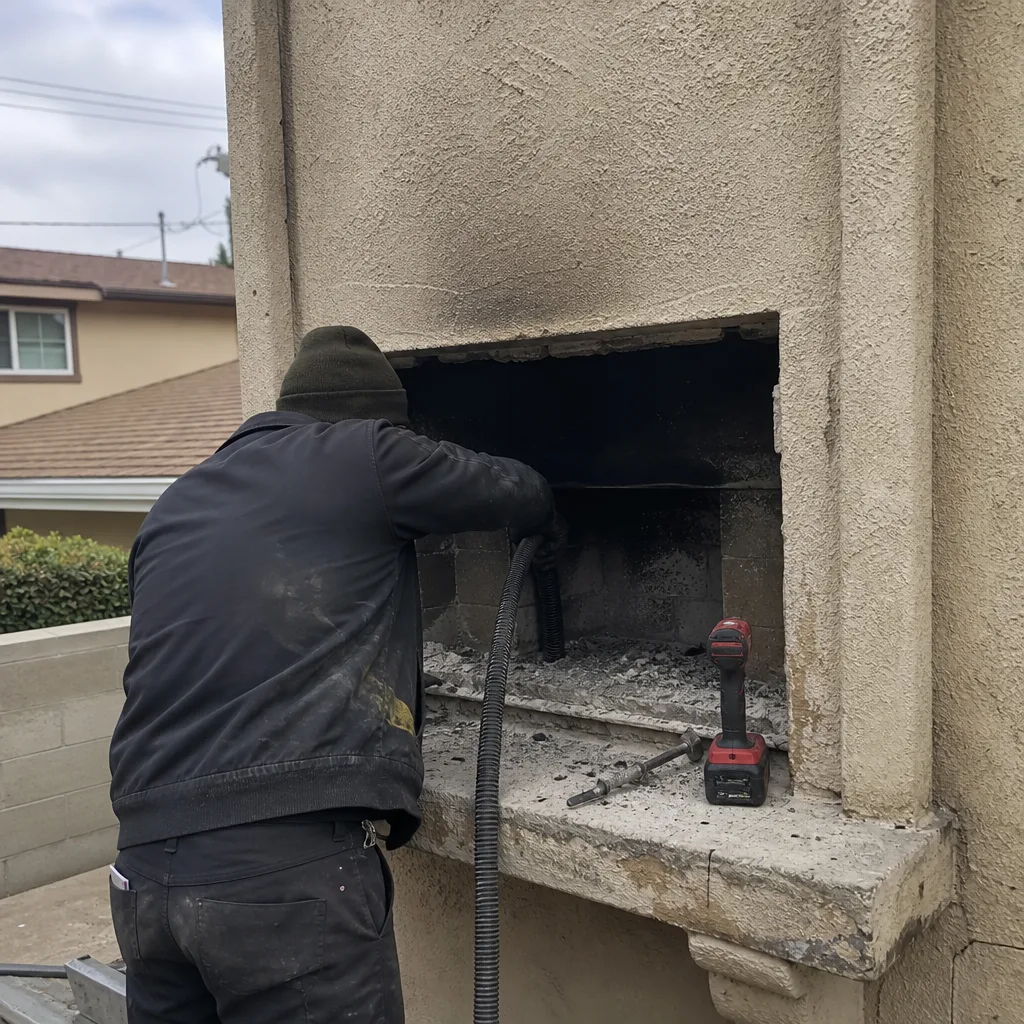 Before
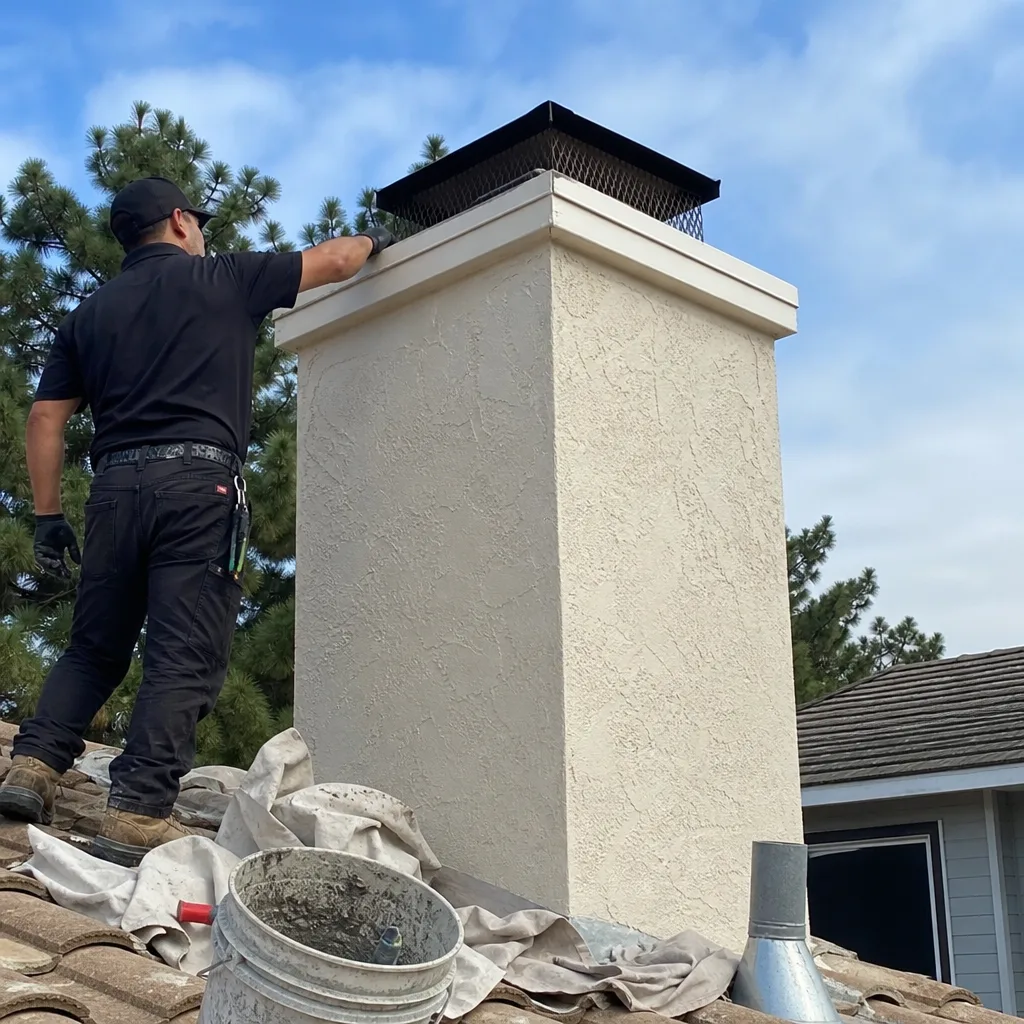 After
After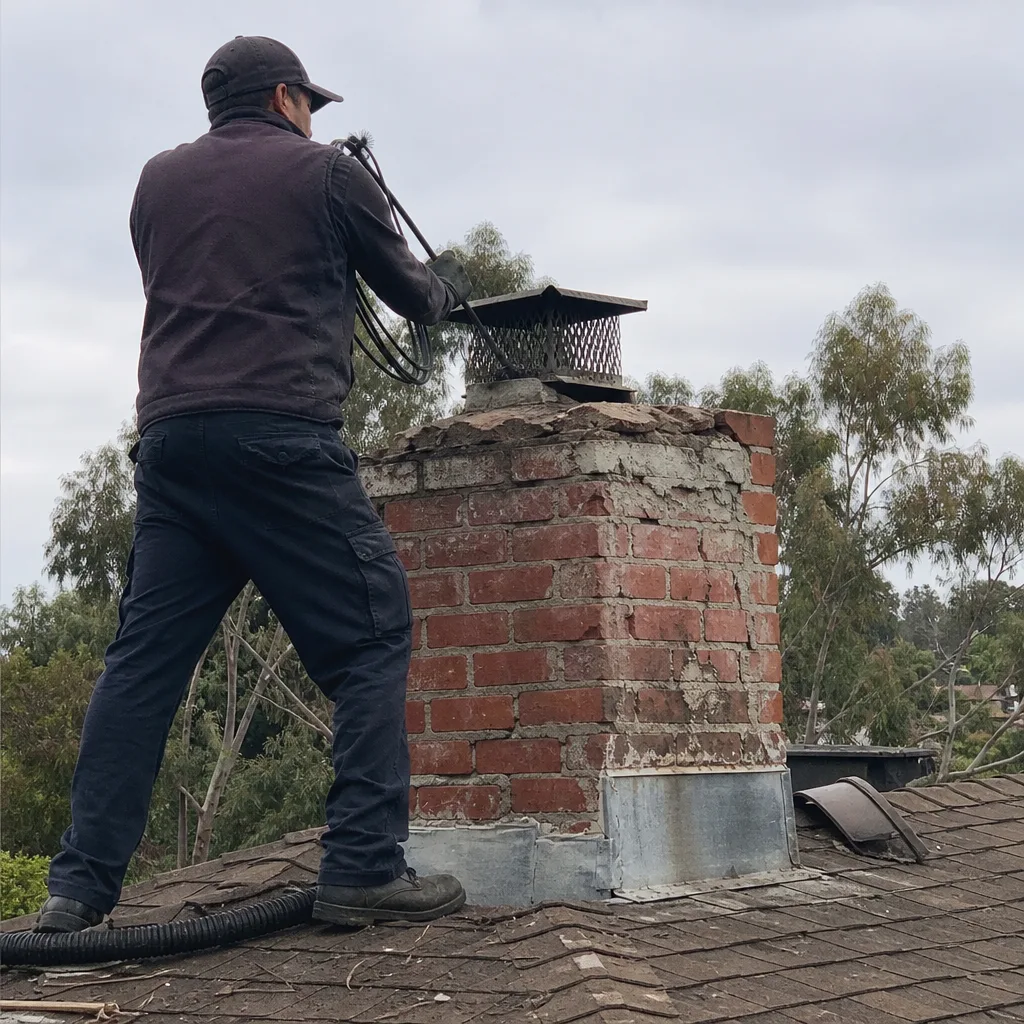 Before
 After
After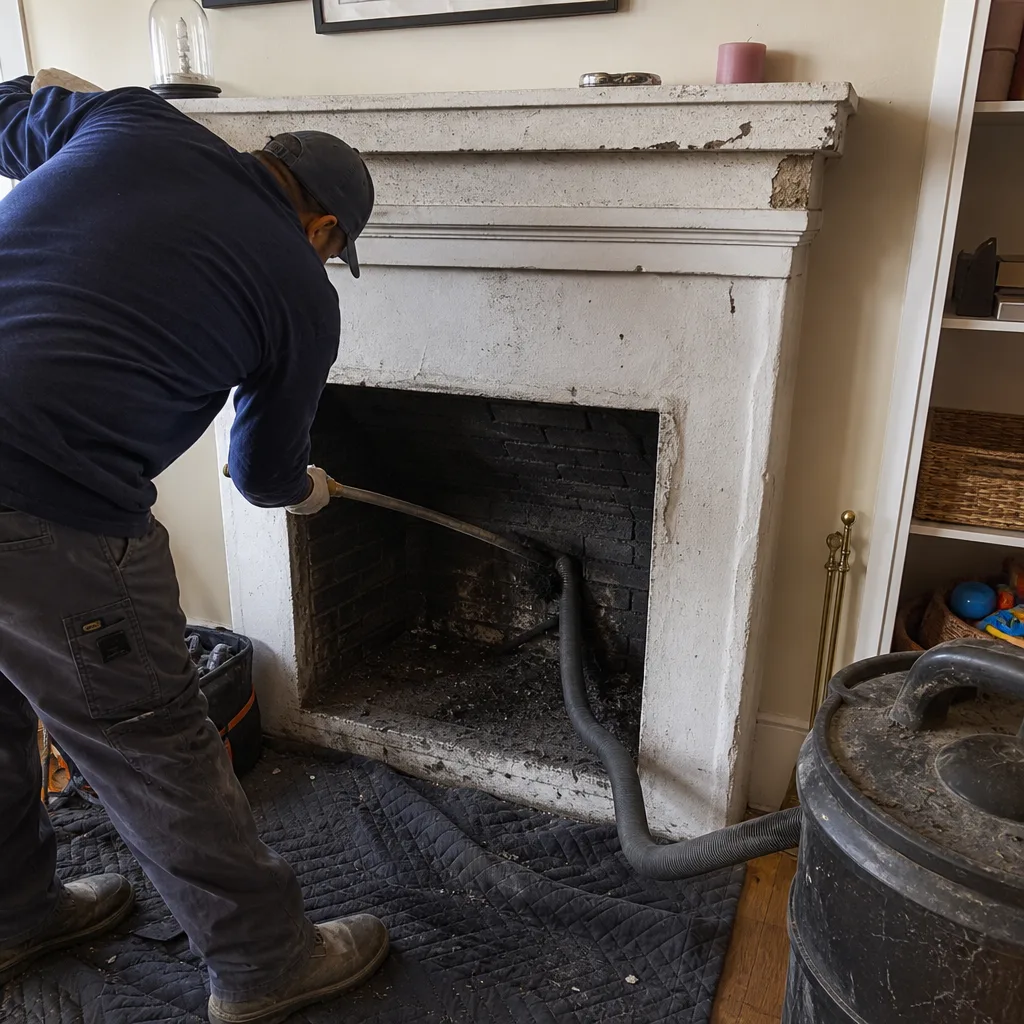 Before
 After
After