
Last updated October 15, 2026
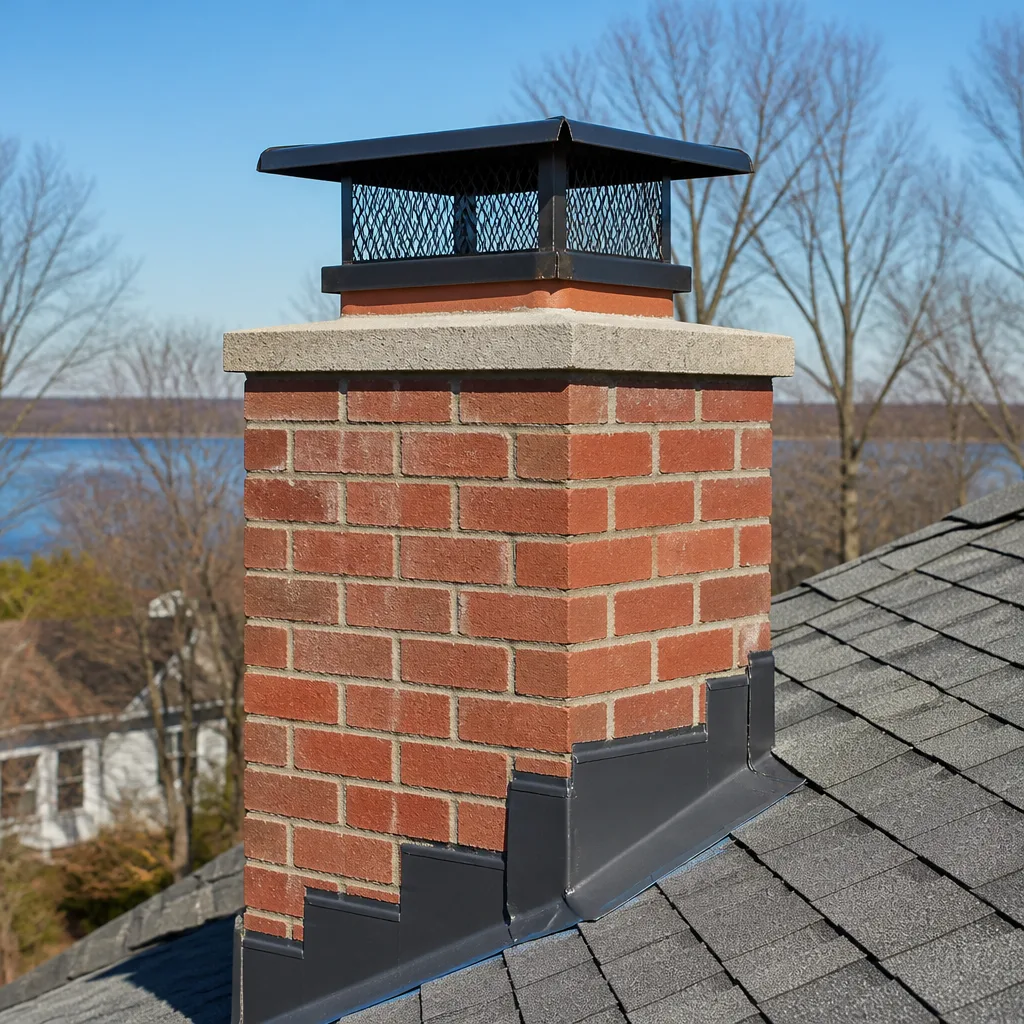 Sweep & inspection
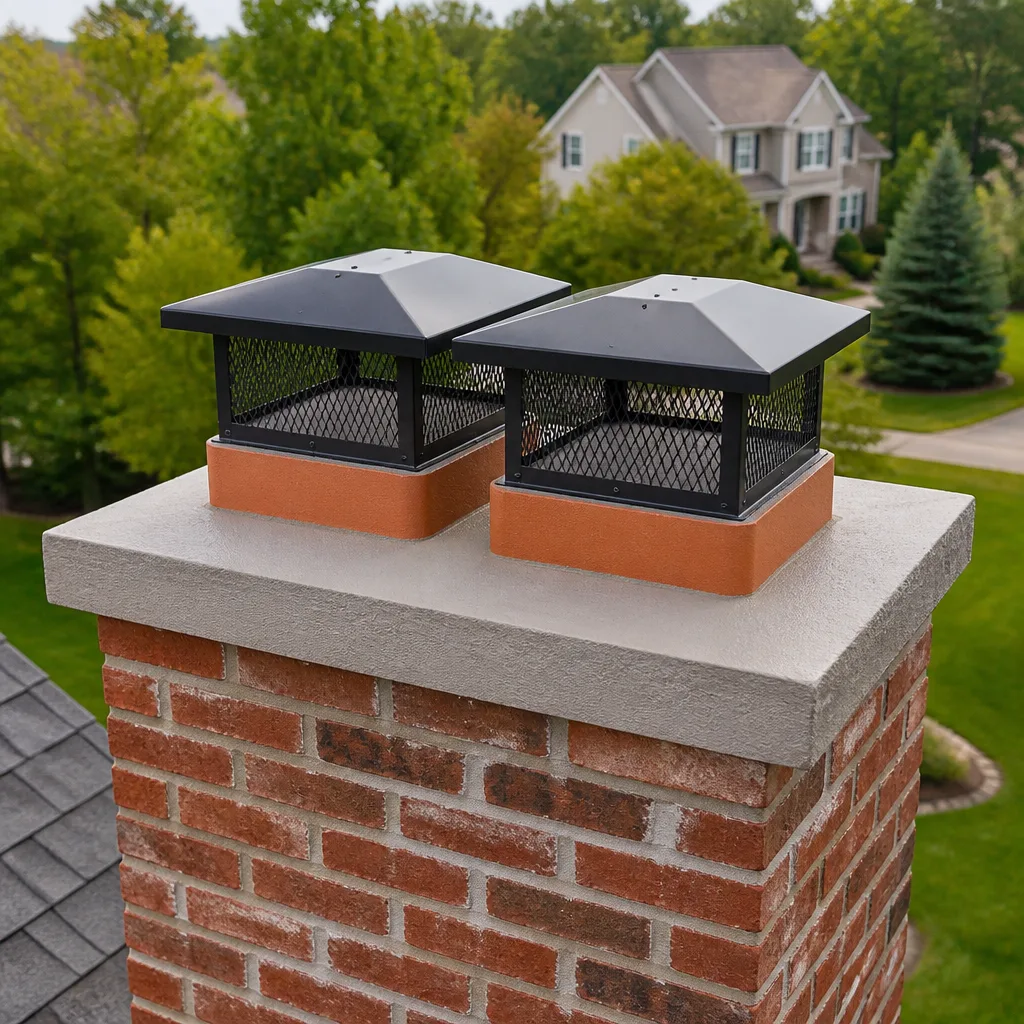 Caps & crowns
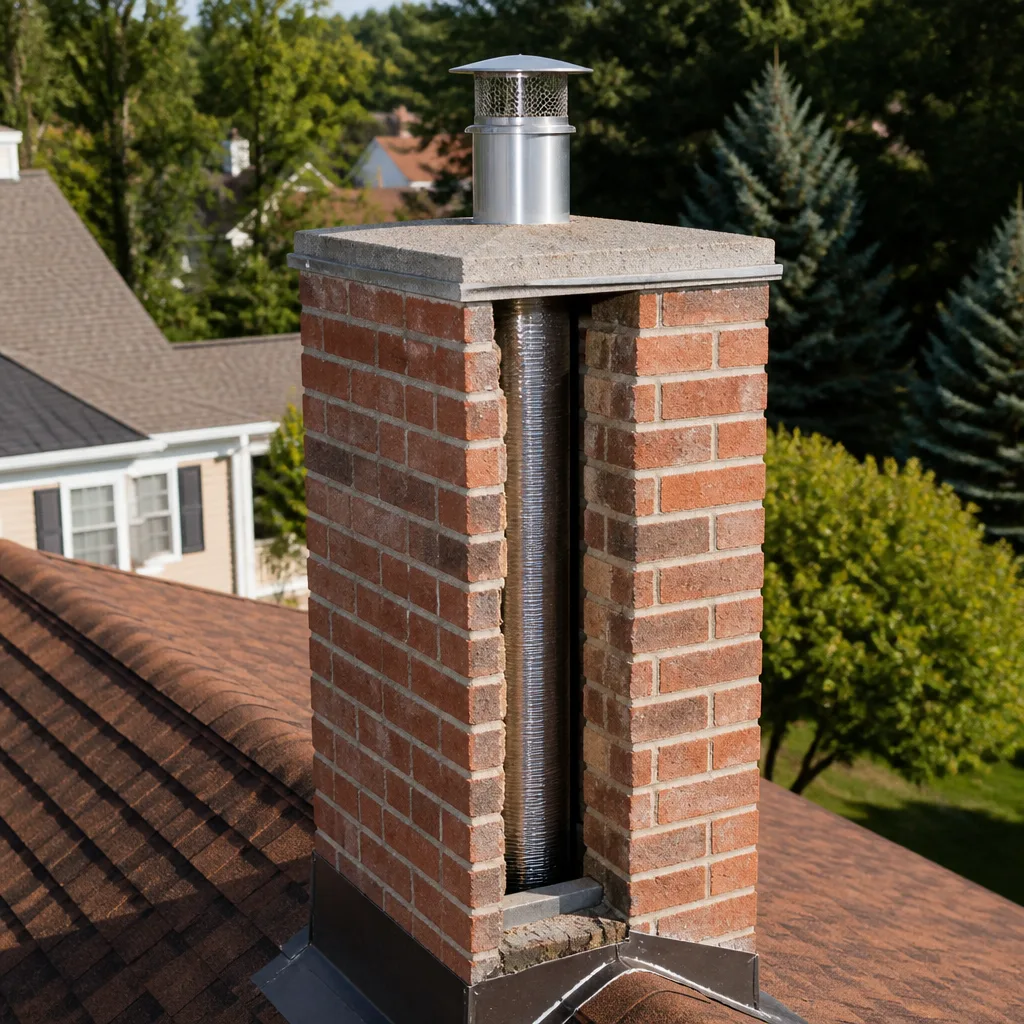 Flue relining
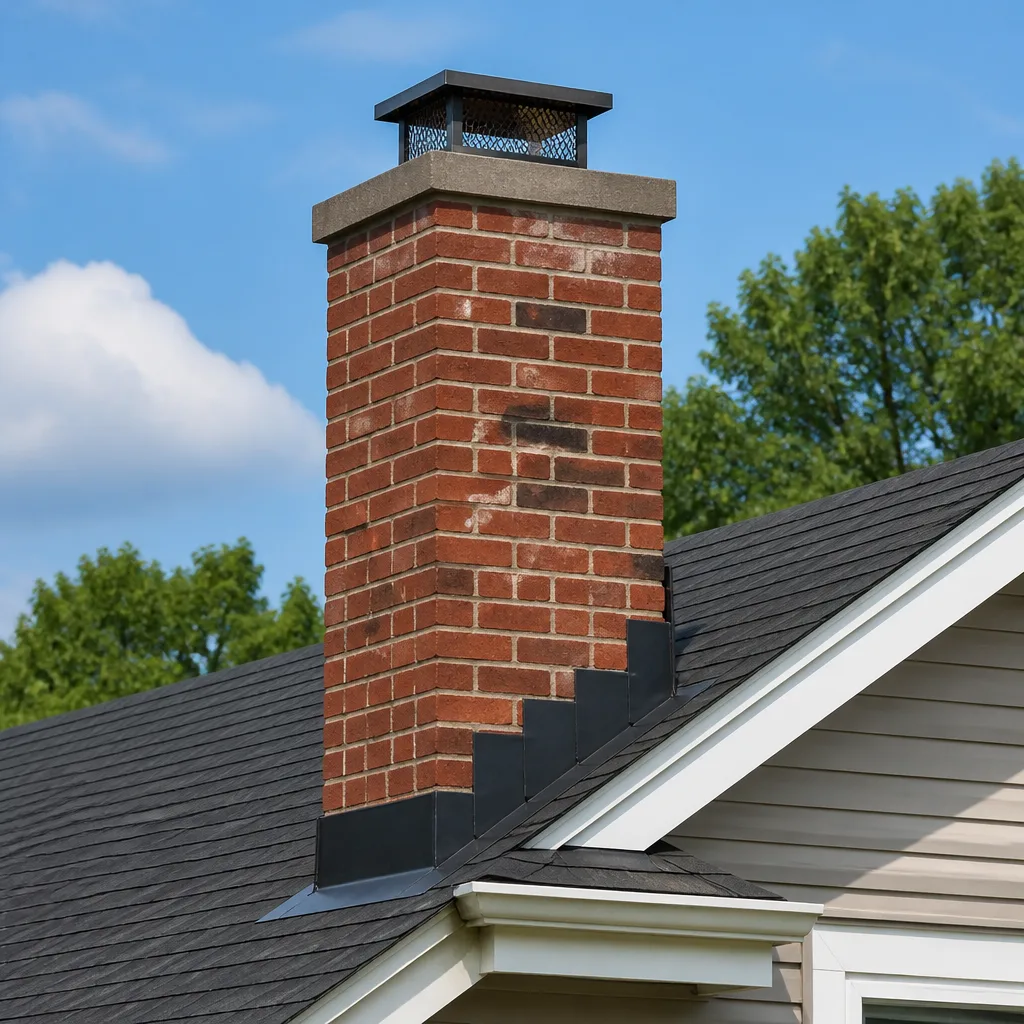 Masonry repair
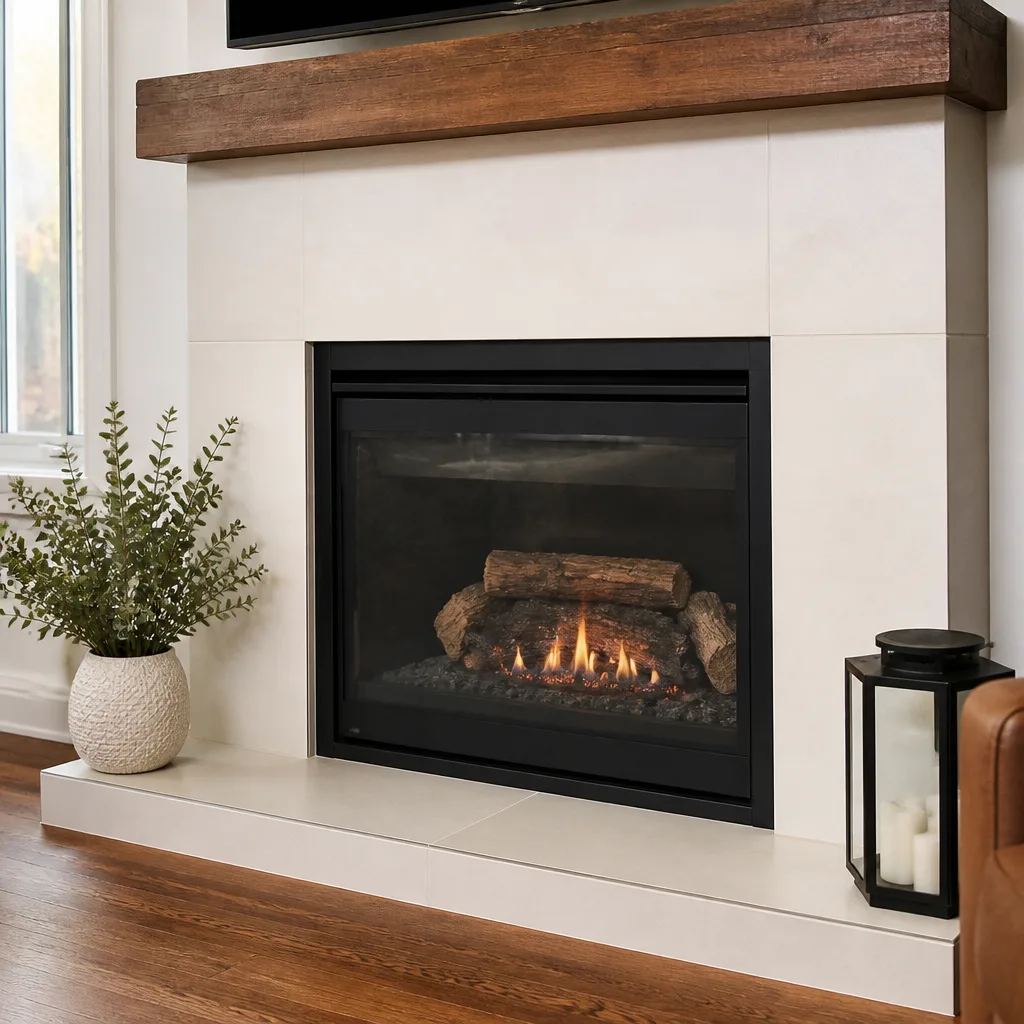 Gas fireplace service
Level 1 sweep and inspection to the NFPA 211 annual standard - flue, crown, cap, and flashing checked and photographed
Chimney sweep logs do not sweep chimneys. They loosen some creosote - which then falls where a brush and vacuum still have to collect it.
Seasonal Chimney Cleaning Care for Torrance: Year-Round Homeowner’s Guide
The most damaging time for a Torrance chimney isn’t when you’re using it. It’s the seven months it sits open, warm, and salt-air-exposed between March and October while you’re not thinking about it at all. A chimney that goes dormant in spring doesn’t rest. It gets worked over by marine-layer moisture, temperature swings, and wildlife looking for a dry place to nest. This guide explains what actually happens inside an unused Torrance chimney, when to schedule your yearly sweep, and the specific maintenance rhythm that matches our two-season climate rather than the four-season advice written for the East Coast.
Styles & brands we work with
Quick Answer
Seasonal chimney cleaning in Torrance works best on a two-season schedule: one professional sweep and inspection in September before the burn-season window opens, plus a simple no-cost homeowner check after the spring rains end. The seven-month dormancy period between March and October is when marine air, nesting animals, and disused heat cycles cause the most hidden damage, so the pre-season sweep matters more than mid-winter maintenance in our climate. A standard Torrance chimney sweep typically runs $189 to $349 depending on flue length, accessibility, and creosote buildup; see our Chimney Cleaning Cost Breakdown: The Torrance Homeowner’s Reference for 2026 for full pricing details.
Table of Contents
- Why Torrance Has Two Chimney Seasons, Not Four
- What Actually Happens During the Dormancy Window (May Through September)
- Why September, Not November, Is the Right Time to Schedule Your Sweep
- The Santa Ana Wind Season: What October Through December Does to Your Chimney
- Summer Chimney Care Tasks That Cost Nothing
- Why “We Haven’t Used It All Year” Is Not a Reason to Skip an Inspection
- What a Torrance Chimney Sweep Actually Includes (Step by Step)
- Common Mistakes to Avoid
- When to Call a Professional
- Frequently Asked Questions
- The Bottom Line
Why Torrance Has Two Chimney Seasons, Not Four
Most chimney advice online is written for climates with real winters. Snow, ice, freeze-thaw cycles, and the constant need to clear a cold flue. Torrance doesn’t have any of that. What we do have is a mild-use window from October through March where fireplaces get lit for ambience and supplemental heat, then a long dormant stretch from roughly April through September where the chimney gets no attention at all. That second stretch is where the problems compound.
In our two decades of chimney sweeping in Torrance, we’ve watched the same pattern repeat across neighborhoods from Southwood to Seaside Ranchos: homeowners schedule sweeps in November, when everyone else does, and the inspections reveal damage that actually started in July. The marine layer that rolls in most mornings between May and September dumps condensed moisture onto every exposed masonry surface. When that moisture sits on mortar joints and firebricks, it seeps into micro-cracks and slowly widens them. Come October, the first fire of the season heats that trapped moisture, which expands and fractures the masonry further. By the time a November sweep happens, the damage is already done for the year.
Torrance sits close enough to the ocean that salt is a constant, low-grade factor. You can’t see it day to day, but it’s in the air during every marine-layer cycle. Salt accelerates the corrosion of metal chimney components like dampers, caps, and the metal flashing where the chimney meets the roofline. It also clings to creosote deposits from the previous burn season, making them even more hygroscopic, meaning they pull moisture out of the air and stay damp for longer. A chimney that was lightly used all winter can still end up with a tacky, acidic glaze on the flue walls by late summer, simply because of how our air interacts with what’s already inside.
That’s the core insight behind a Torrance-specific cleaning calendar: the work you need done in September is dictated by what the marine layer has been doing to your chimney since March.
What Actually Happens During the Dormancy Window (May Through September)
Here’s the part most homeowners never hear. A chimney that sits unused for six or seven months is not a passive object. It is an active system that collects moisture, hosts animals, and degrades slowly through four specific mechanisms. These are the damage sources that are active even if you never light a single fire.
Moisture cycling. The morning marine layer deposits condensation on the outer face of exposed masonry and on the inside of an uncapped flue. By midday, the sun burns it off. That daily wet-dry cycle stresses mortar joints the same way water puddling on concrete eventually spalls the surface. Over a single summer, the effect is minimal. Over five or ten summers with no inspection, it’s the difference between minor repointing and a full crown rebuild. We see this most often in older Torrance homes in the Delthome and Old Torrance neighborhoods, where chimneys built in the 1950s and 60s have original mortar that’s now porous enough to absorb water like a sponge.
Animal nesting. Raccoons, squirrels, and chimney swifts all look for dark, warm, protected cavities in spring. An uncapped flue is an invitation. A single raccoon can build a nest in a day, and once it does, the flue is blocked until it’s professionally removed. Birds bring nesting material, feathers, and droppings that create an odor problem and a fire hazard. Even a partially capped chimney with a damaged screen can let starlings or sparrows through. The dormancy window overlaps exactly with nesting season, which is why spring and summer inspections catch wildlife problems that winter sweeps miss entirely.
Creosote transformation. Creosote (the flammable tar-like residue left behind after burning wood) doesn’t go away when you stop burning. It cakes onto flue walls in three stages, from flaky soot to a hard, glossy glaze. During the summer, marine humidity prevents creosote from ever fully drying, and that damp creosote becomes corrosive. It attacks the flue liner, whether that’s a clay tile or a metal liner. A chimney with a light Stage 1 creosote layer in March can have a corrosive Stage 2 problem by August, purely from sitting in humid, salt-tinged air.
Mortar and crown degradation. The concrete crown at the top of a chimney is the first line of defense against rain and marine moisture. It’s exposed to direct sun, salt air, and the daily temperature shifts between foggy mornings and warm afternoons. Cracks in the crown let water leak down into the masonry itself. That water then follows gravity to the firebox and eventually to the walls and ceiling around the fireplace. What looks like a safe, unused chimney from the outside can be actively channeling moisture into the structure of the house.
None of these mechanisms require a fire. They require time, moisture, and inattention. That’s why the dormant chimney is the one we’re most careful about inspecting.
Why September, Not November, Is the Right Time to Schedule Your Sweep
Every September, our phone lines at Hadley Chimney Torrance fill with calls from homeowners who think the way to think about chimney maintenance: wait until it’s cool enough to imagine lighting a fire, then book a sweep. The problem is that by November, every chimney company is running a week or two behind, the weather is less predictable for roof access, and any damage found during the inspection means the fireplace stays dark through the holidays while repairs are scheduled.
September is the sweet spot in Torrance for three reasons.
First, the damage window is closed. The marine layer season starts tapering off in September. The air dries out, the daily fog cycles become shorter and less frequent. Any moisture damage from the summer is now stable and visible. It’s the first month where an inspection gives you a clean, dry reading of what the chimney actually looks like after six months of exposure. You’re catching damage at the end of its active phase, not trying to interpret it mid-cycle.
Second, you get the opening of the appointment calendar. The November rush hasn’t started. Technicians aren’t double-booking for same-day emergency sweeps. You have flexibility in scheduling, and you have time before first fire to get any recommended repairs done. In our experience, a September inspection that finds a cracked flue tile or a corroded damper gives you three to four weeks to schedule the repair before you actually want to light a fire. That’s the functional difference between enjoying your fireplace in December or waiting on a repair part.
Third, it aligns with the Santa Ana shift. The first Santa Ana wind events in a typical Torrance year start in late September or early October. These offshore winds reverse the normal airflow and press down against the roofline. A chimney that hasn’t been inspected since the previous spring suddenly gets tested by gusting winds, often with the fireplace still cold and dry. We want the flue clear, the cap tight, and the masonry sound before that wind season starts, not halfway through it.
The optimal Torrance service calendar, in order:
- September: Professional sweep and Level 1 inspection, before the burn season opens.
- October through March: Use the fireplace normally. Note any odd smells, smoke spillage, or drafting issues when the wind shifts.
- April: After the last fire, do a simple visual check from the ground. Look for missing cap pieces, visible cracks, or animal activity.
- May through August: Keep the damper closed, keep the cap maintained, and call if you see anything from the spring check that wasn’t there before.
- September again: Repeat the professional cycle.
The Santa Ana Wind Season: What October Through December Does to Your Chimney
Santa Ana winds are a distinct seasonal force in Torrance. They come down from the high desert, compress through the passes, and hit the coast as hot, dry, gusting air. For a chimney, they create two specific problems that most homeowners never connect to fireplace performance.
The first is drafting reversal. A chimney works on a simple principle: warm air inside the flue rises, pulling smoke and combustion gases up and out. When a Santa Ana wind blows directly against the chimney crown or across the top of the flue, it can create positive pressure at the top. That pressure fights against the natural upward draft, and in severe gusts, it can push smoke back down into the firebox. If you’ve ever lit a fire in Torrance during a wind event and had smoke spill into the room, the wind is usually the culprit, not your fireplace.
The second is creosote loosening. Hot, dry air moving over the chimney exterior dries the residual creosote on the flue walls. That drying causes the crusty outer layer to flake and detach. The flakes then fall down to the smoke shelf or onto the damper. If enough accumulates, the next fire can ignite the flaked creosote as a secondary burn, or the debris can partially block the flue and worsen the drafting problem. A chimney that was safe in September can develop a minor debris situation by mid-December simply from repeated wind events.
The Santa Ana season overlaps with early fireplace use, which is why it deserves special attention. We recommend homeowners pay attention to their fireplace during any Santa Ana episode. If the fire burns less cleanly, the room gets smoky, or you hear a distinct wind howl at the top of the flue, those are signs something has shifted. Most of these issues are fixed with a cap adjustment, a damper seal replacement, or a basic flue brushout. But left unaddressed through December, they get worse just as fireplace use peaks.
In our work across Torrance, we’ve seen chimney repair in Torrance calls spike in December and January, almost always because a small wind-related problem from October went unaddressed. The repair itself is usually quick. The inconvenience is losing the fireplace during the exact months you wanted to use it.
Summer Chimney Care Tasks That Cost Nothing
Not all chimney maintenance requires a professional visit. There are a few things Torrance homeowners can do between April and September that genuinely extend the life of a chimney and help avoid surprise damage. These apply specifically to the dormant period, when the chimney is not in use.
Keep the damper closed. The damper is the metal or ceramic plate inside the firebox that opens and closes the airway to the flue. If you leave it open all summer, you’re leaving a direct channel from the top of the chimney into your living room. That means marine air, dust, and heat all move freely through the flue. Closing it seals the system and reduces temperature swings against the firebox. This one habit stops a surprising amount of summer moisture accumulation.
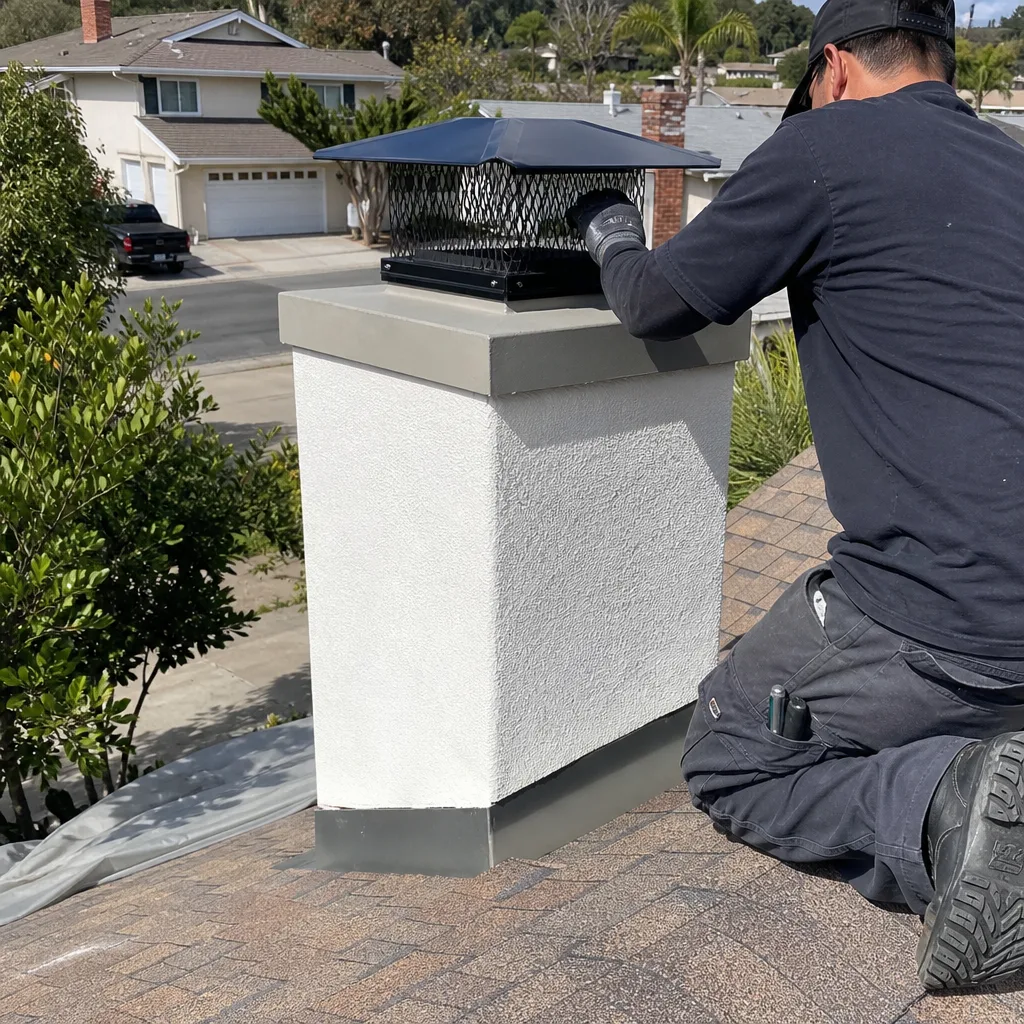
Check the cap from the ground. Every chimney should have a cap at the top, a metal or mesh cover that blocks rain, animals, and debris. Stand about 20 feet from the house and look at the top of the chimney. Do you see the cap? Is it level? Is the mesh screen intact or does it look pushed in or peeled back? If the cap is missing or damaged, that’s a call to schedule a professional inspection. If it’s intact, you’re in good shape. This check takes two minutes and is the single highest-value free maintenance task.
Note the first morning after rain. After a significant rain event (which in Torrance usually means November through March, but occasional summer storms happen), take a look at the ceiling around the fireplace and the walls adjacent to the chimney. Any discoloration, softness, or mustiness is a red flag for a moisture leak. Summer is the right time to investigate because the dry air makes the source of the leak easier to trace.
Watch the roofline from the street. A quick visual from the sidewalk or driveway tells you a lot. Is the chimney leaning? Are there visible cracks running down the masonry? Is there vegetation growing out of the joints? Is the flashing (the metal strip where the chimney meets the roof) pulling away? Any of these are worth a professional look. Most homeowners check their roof for obvious issues but skip the chimney when doing it.
None of these tasks require a ladder, special equipment, or any technical knowledge. They are the homeowner’s equivalent of checking your car’s tire pressure between service visits: cheap, fast, and effective at catching small problems before they become expensive ones.
Why “We Haven’t Used It All Year” Is Not a Reason to Skip an Inspection
This is the single most common objection we hear in Torrance: “We didn’t light a fire all last winter, so the chimney is clean.” The logic makes sense in the abstract. No fire means no creosote. No creosote means no risk. But it misses everything else that happens in a dormant chimney, most of which is invisible from the living room.
Here’s a specific list of damage sources that are active in an unused Torrance chimney:
- Creosote from prior years persists. Creosote doesn’t vanish when you stop burning. It remains on the flue walls and continues to attract moisture from marine air. Old creosote is often the most dangerous kind because it’s had time to harden into a dense, glossy layer that’s hard to remove and burns very hot if ignited.
- Nesting activity happens whether you use the fireplace or not. Animals don’t check the firebox to see if you’re burning. They find an accessible opening and move in. A raccoon or bird nest in the flue of a dormant chimney is common and blocks the airway entirely.
- Moisture intrusion from a cracked crown worsens. The crown takes sun, salt, and fog cycles year-round. A small crack in March becomes a wider crack by September if it’s channeling water. You won’t see this from the ground.
- The damper can rust in the closed position. A metal damper that sits closed all summer in humid marine air can rust shut. The first time you try to open it in October, it may be seized. A dry damper is a simple repair; a corroded one is a replacement.
- Masonry settles independent of use. Soil under the foundation moves seasonally with moisture changes. Torrance’s clay-heavy soil contracts in dry summer heat and expands in winter rain. That movement can shift the chimney stack enough to open hairline cracks, even if you never touch the fireplace.
In our experience, the “we didn’t use it all year” chimneys are often in worse condition than the ones that were used regularly, because regular use prompts regular attention. A dormant chimney gets forgotten, and forgotten systems fail quietly.
What a Torrance Chimney Sweep Actually Includes (Step by Step)
If you’ve never booked a chimney sweep, here’s exactly what happens when a Hadley technician shows up for your appointment. We write this out because transparency is the whole point: you should know what you’re paying for before anyone arrives, not after the work is done.
- Arrival and setup. Your technician arrives in a tracked window, so you know when we’ll be there. They will be in uniform, introduce themselves, and do a quick walk-around of the fireplace area to understand the layout.
- Interior protection. Drop cloths go down around the firebox, and a high-powered vacuum with a HEPA filter is set up. The goal is zero dust escaping into the room. Sweeping is done from inside whenever possible to avoid roof traffic.
- Flue inspection. The technician looks up the flue with a light and, if needed, a camera. This is where we check for creosote stage, flue tile cracks, liner condition, and any blockages. You will see photos of what we see. Nothing is reported that you can’t look at yourself.
- Mechanical brushing. Brushes sized to the flue run from top to bottom or bottom to top, depending on the setup. The brush loosens creosote and soot, which is captured by the vacuum. This is the core of the sweep and usually takes 20 to 40 minutes depending on flue length and creosote volume.
- Smoke shelf and damper cleaning. These are the areas most homeowners never see, but they collect debris first. The technician clears them and checks that the damper opens and closes smoothly.
- Firebox cleanup. The firebox is swept clean, and any minor mortar flaking is noted. If the firebox needs repair, that’s documented separately with photos and a written price before any work is approved.
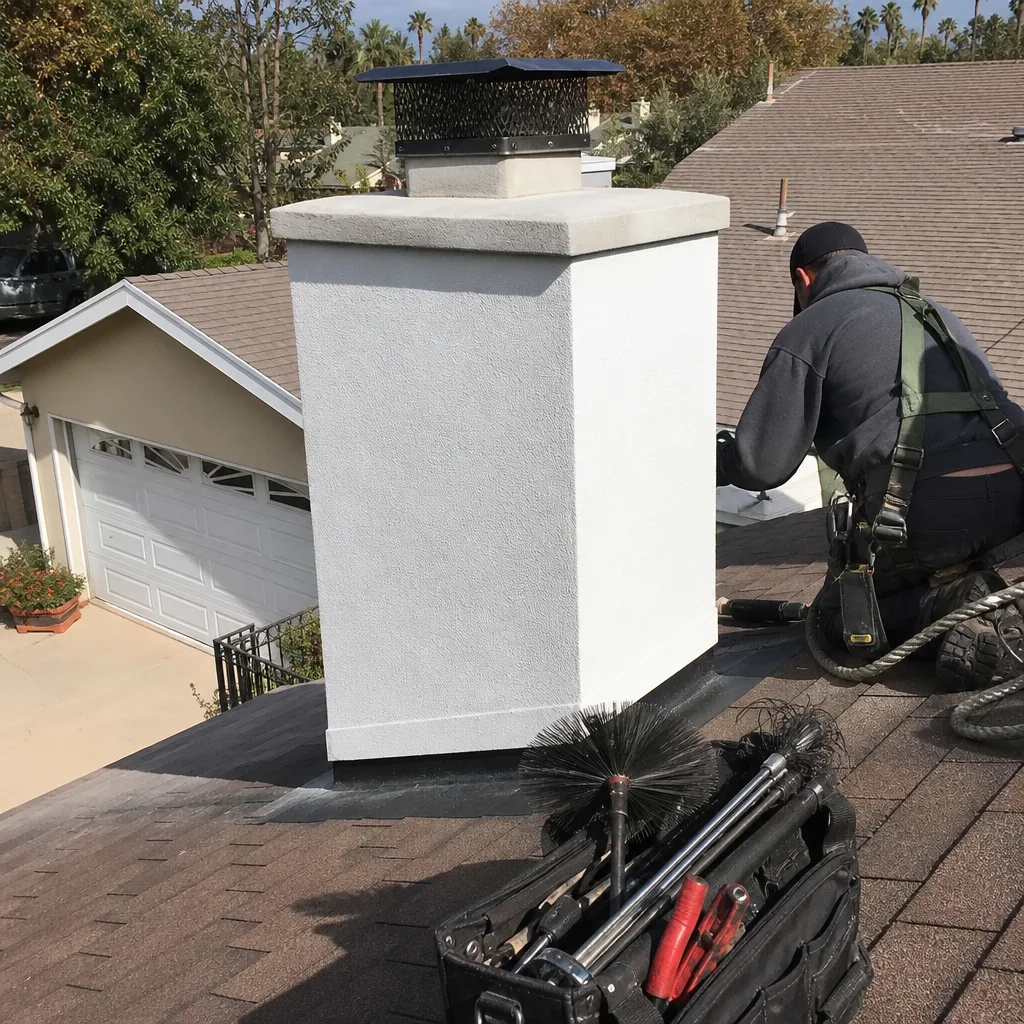
- Exterior check. If roof access is safe and possible, the technician checks the cap, crown, flashing, and masonry from the top. If roof access isn’t possible, a drone or a camera on a pole may be used. You’ll see the photos either way.
- Written report. You receive a summary of everything found, with photos, and a written price for any recommended work before it starts. There’s no surprise charge at the door and no pressure to approve anything on the spot.
For gas fireplace repair in Torrance, the process is different, since gas fireplaces don’t produce creosote the way wood-burning units do. Gas units need a different kind of inspection focused on the burner, the log set, the pilot assembly, and the venting path. We handle both, and the transparency standard is the same.
This is also where The Relay Visibility Guarantee comes in. Every visit includes live arrival tracking, before-and-after photo documentation, and a written price before work begins. That applies to a $200 sweep or a $2,000 repair. The process doesn’t change based on the size of the job.
Common Mistakes to Avoid
- Skipping the September sweep and booking in November. You lose scheduling flexibility, compress the inspection and repair timeline into a two-week window, and risk losing fireplace use during the holidays. September gives you a clean, dry inspection before the rush.
- Leaving the damper open all summer. An open damper is a humidity channel from the flue to your living room. Closing it costs nothing and stops six months of marine air from moving through the chimney interior.
- Assuming a “no fire” winter means a clean chimney. The dormancy period is when moisture, animals, and salt air do their damage. A chimney can develop serious issues with zero fires lit.
- Buying a house in Torrance and skipping the chimney inspection. Real-estate inspections often note the fireplace visually but don’t include a flue camera scope. A $200 sweep-and-scope can find a cracked liner that would cost thousands to repair if left another five years.
- DIY chimney sweeping with store-bought brushes. Without proper sizing and vacuum capture, you’ll push creosote into the smoke shelf and stir up dust that settles in the living room. It’s also easy to damage a clay flue liner by forcing an oversized brush through it.
- Ignoring the cap because it’s “up high and hard to see.” The cap is the first line of defense against animals and water. A $50 to $150 cap replacement prevents a $400 animal-removal call or a $1,200 moisture-damage repair.
- Waiting until a problem is visible from the ground. By the time you can see a crack from the sidewalk, the masonry has been failing for a while. Ground-level visible damage usually means the internal problem is further along than the exterior suggests.
When to Call a Professional
Some chimney problems are obvious and some are silent, but several situations warrant a professional evaluation immediately rather than a wait-and-see approach. If you smell smoke or a campfire odor inside when the fireplace isn’t in use, that’s a drafting and creosote signal worth checking. If you see moisture or staining on the ceiling near the chimney after rain, the crown or flashing has likely failed. If you hear animal noises from the flue or see droppings in the firebox, you need wildlife removal before you think about burning. If your fireplace smokes back into the room on windy days, especially during Santa Ana events, the cap or the flue height may be wrong. And if you’ve just bought a home in Torrance, the presale inspection almost never covers the flue interior. Hadley Chimney Torrance offers free estimates in Torrance, and our team provides written pricing before any work begins. For regulatory context, see Chimney Cleaning Permits, Codes & Inspections in CA: What You Need to Know.gins. Call (424) 358-3187 to schedule.
Frequently Asked Questions
A standard chimney sweep in Torrance typically runs $189 to $349, depending on flue length, creosote volume, and whether roof access is required. The price is quoted upfront, in writing, before any work starts. If you need a repair on top of the sweep, you’ll get a separate written price with photos showing the issue. Call (424) 358-3187 for an exact quote for your fireplace system, estimates are free.
Once a year is the right cadence for most Torrance homes, even if you only burn a few times per season. The sweep should happen in September, before the burn season opens, so any repair work can be scheduled before you actually want to use the fireplace. Homes that burn heavily through the winter may need a mid-season brushout, but once-yearly is the baseline.
Yes. Light use doesn’t protect a chimney from the damage sources that are active during the seven-month dormancy period. Marine air, nesting animals, and crown cracks all do their work regardless of whether you burn. A yearly sweep catches these issues before they compound into expensive repairs.
For a simple surface cleaning of the firebox, yes. For the flue itself, no. A flue needs properly sized brushes, the right vacuum capture system, and an experienced eye to spot liner and masonry problems while cleaning. Store-bought brush kits often make things worse by pushing creosote into the smoke shelf. The internal surfaces are also where the fire risk and the structural issues live, and they’re not visible from the firebox without equipment.
September. The marine layer season is ending, the burn season hasn’t started, and the appointment calendar is still open. November is the busiest month, and repairs found in November often mean a dark fireplace through the holidays. Book in September and you’ll have time to address anything found.
Yes, but not for creosote. Gas fireplaces need an annual check of the burner, pilot assembly, log set, and venting path. Dust, spider webs, and general buildup can affect performance and, in some cases, create a carbon monoxide risk if the vent is obstructed. It’s a smaller job than a wood-burning sweep, but it matters just as much for safety.
The Bottom Line
Torrance has two chimney seasons, not four, and the dormant one is the one to watch. The months between March and October are when marine air, salt, and wildlife do their slow, invisible damage. A yearly sweep in September, before the burn window opens, catches that damage at the end of its active phase and gives you time to address it before you want the fireplace lit. The free homeowner tasks, cap checks, damper closure, and post-rain inspections, keep the chimney in good shape between professional visits. A chimney that gets this yearly rhythm of attention lasts decades longer than one that gets ignored until it’s visibly failing. And when you do call a professional, insist on the same things you’d expect from any modern home service: written pricing before work starts, photos showing what was found, and a guarantee that backs the repair. For more guides & resources on keeping your Torrance chimney in top condition, explore our blog.
Written by Cory Mitchell, Owner at Hadley Chimney Torrance, serving Torrance since 2003.
See the difference
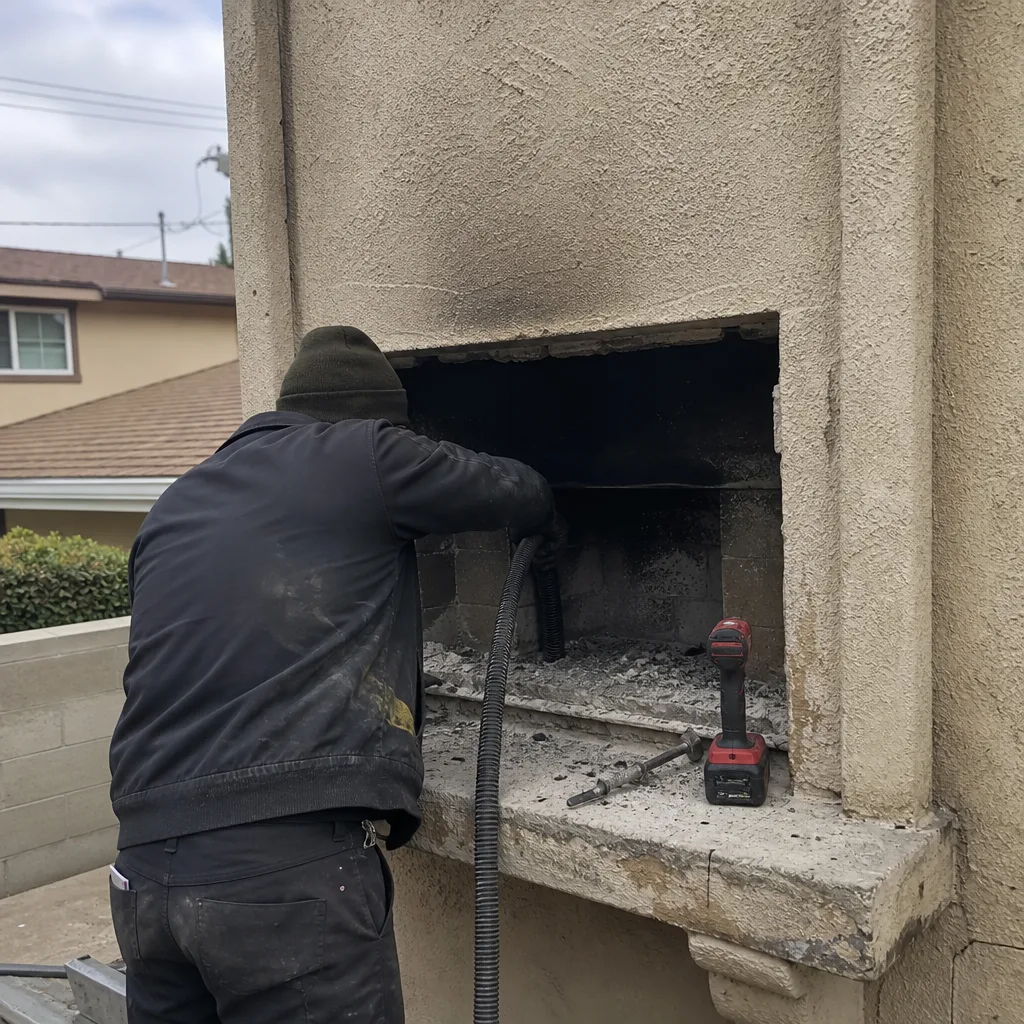 Before
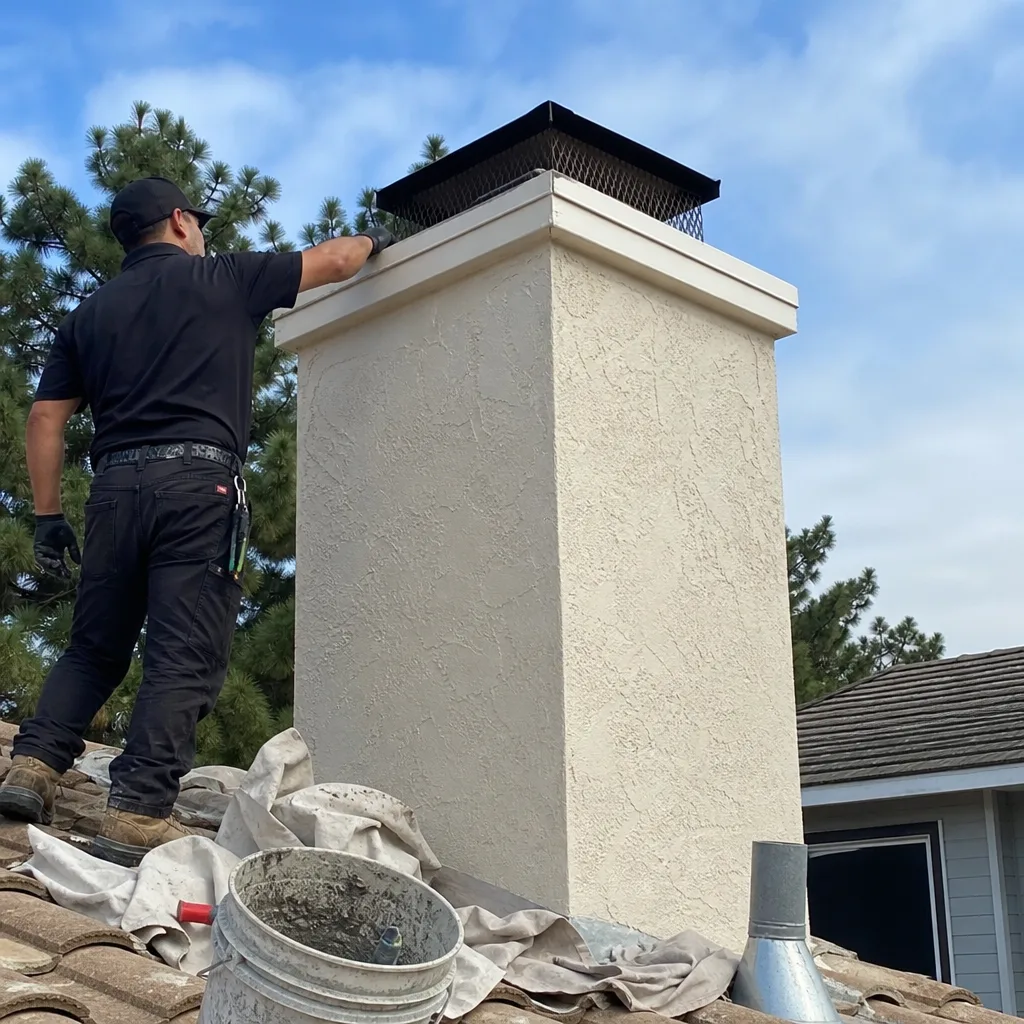 After
After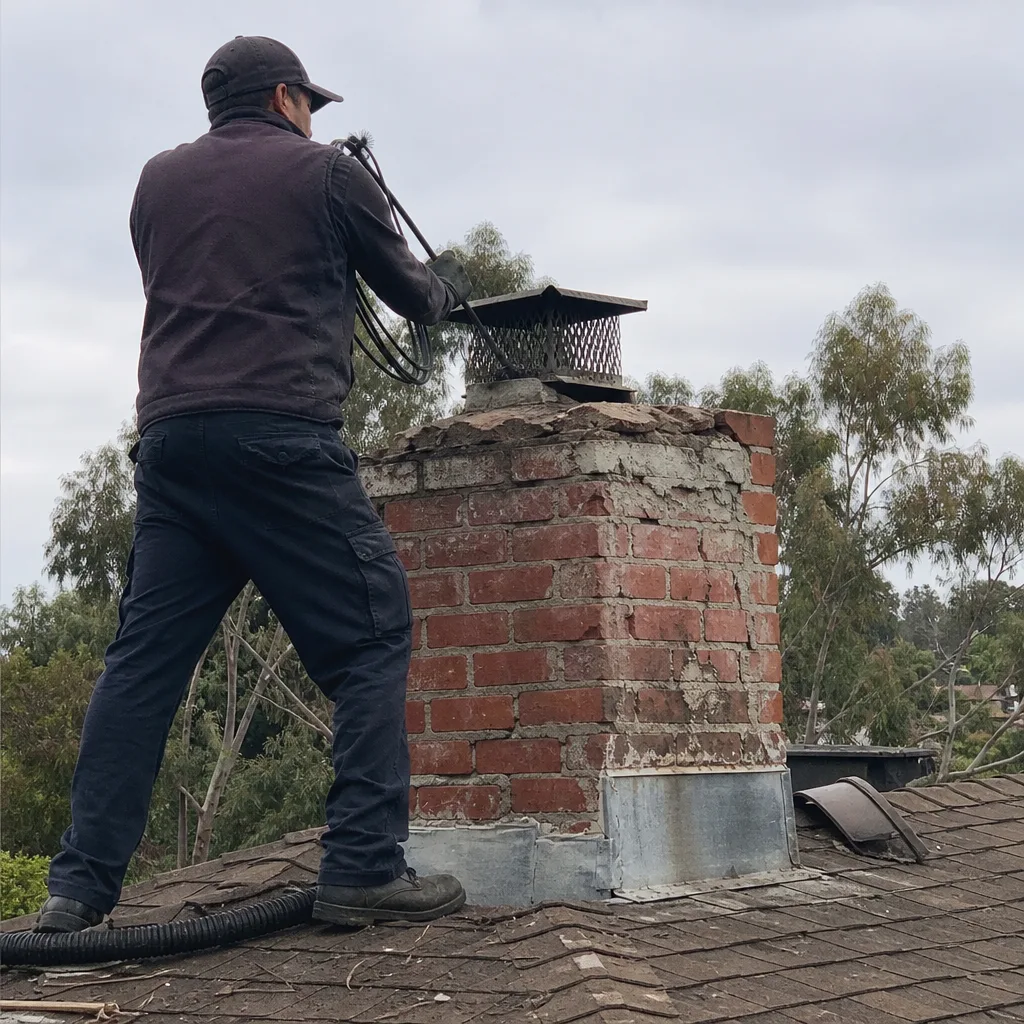 Before
 After
After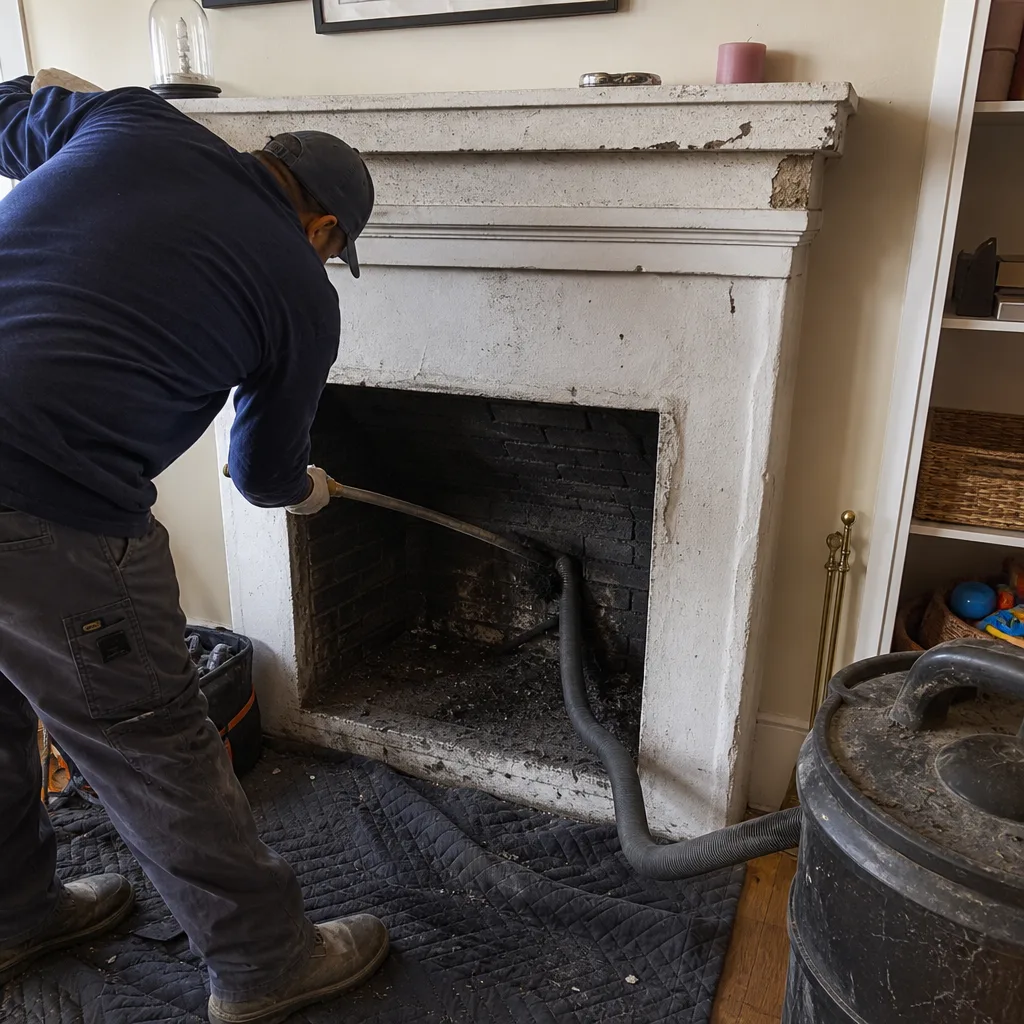 Before
 After
After