
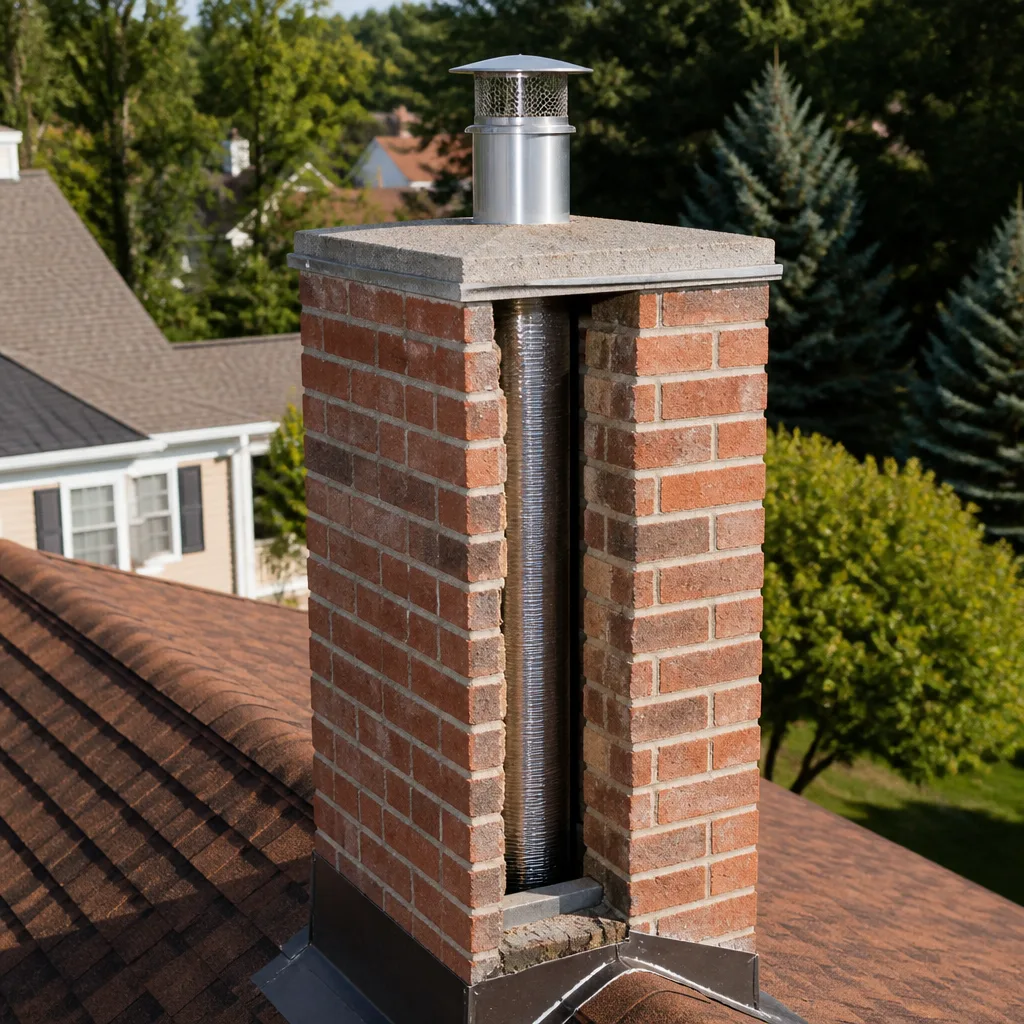
 Flue relining
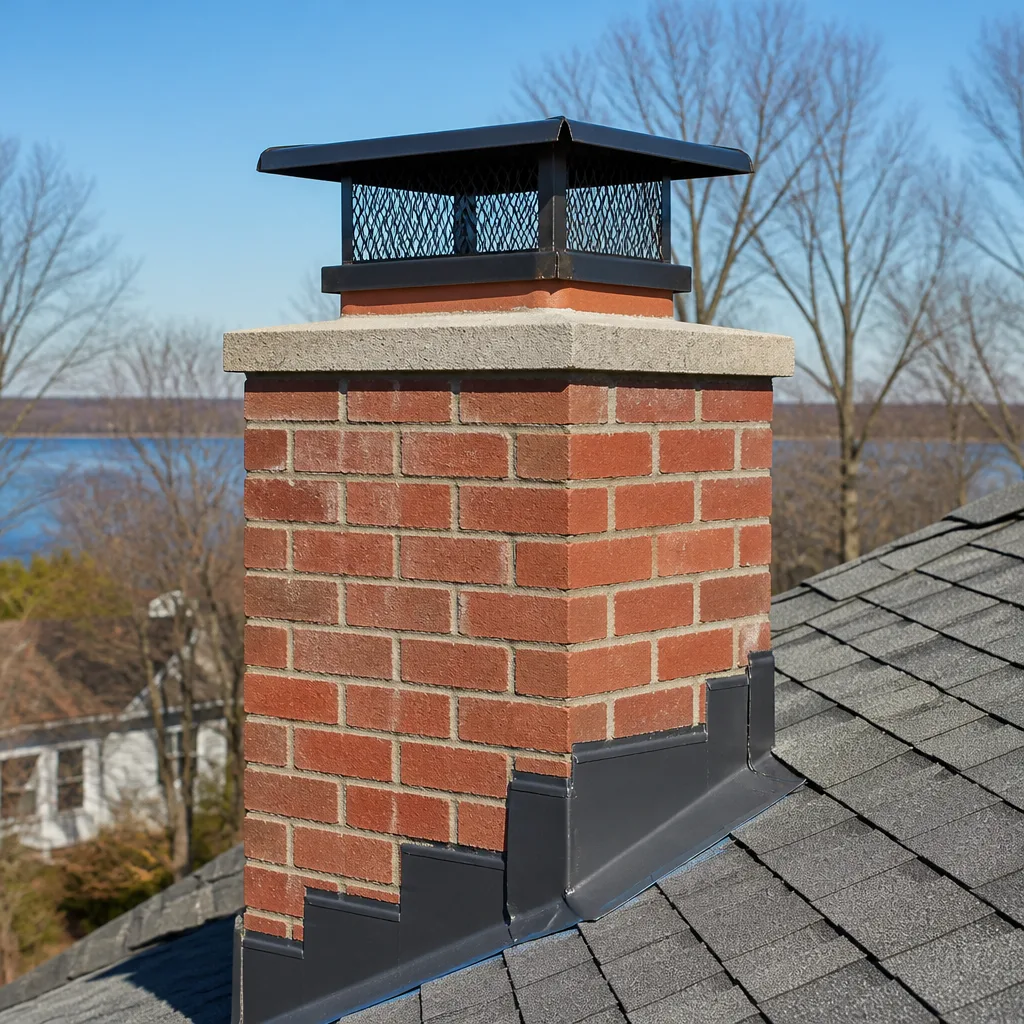 Sweep & inspection
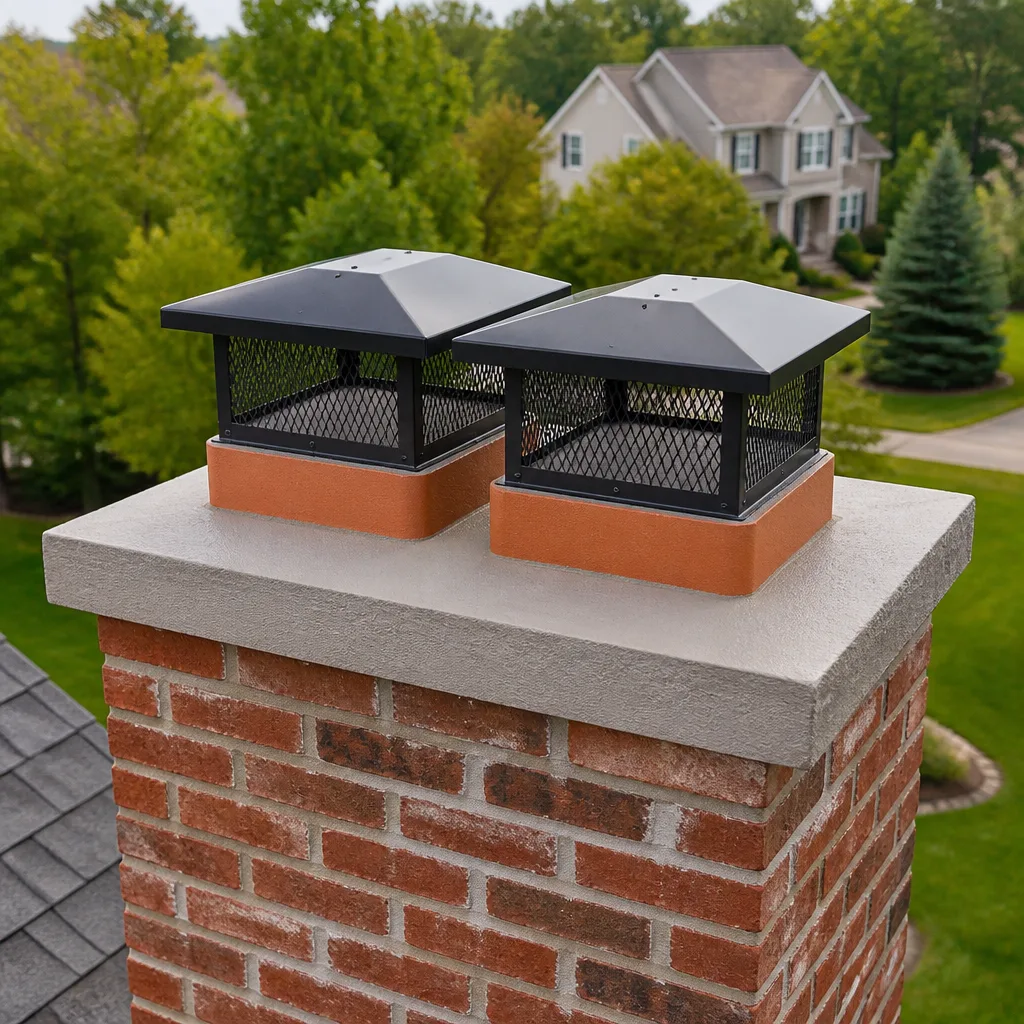 Caps & crowns
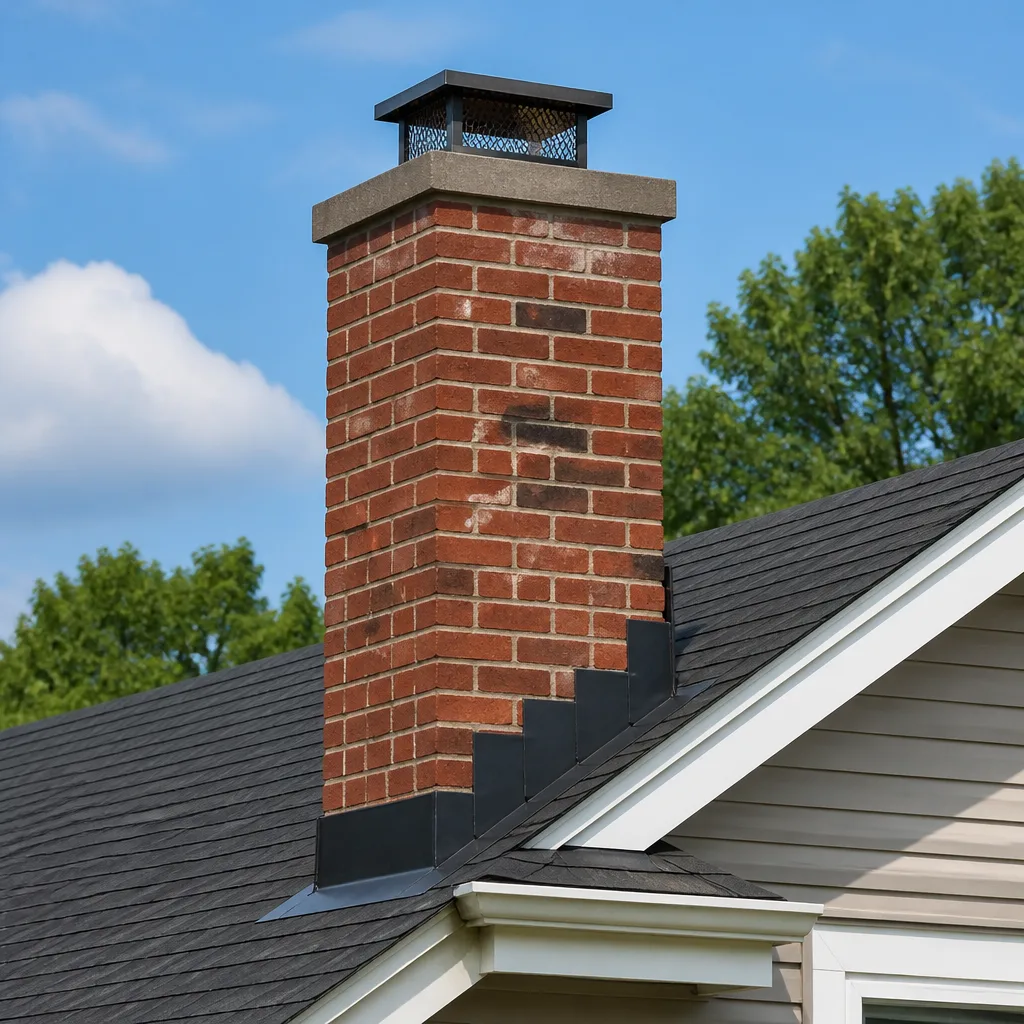 Masonry repair
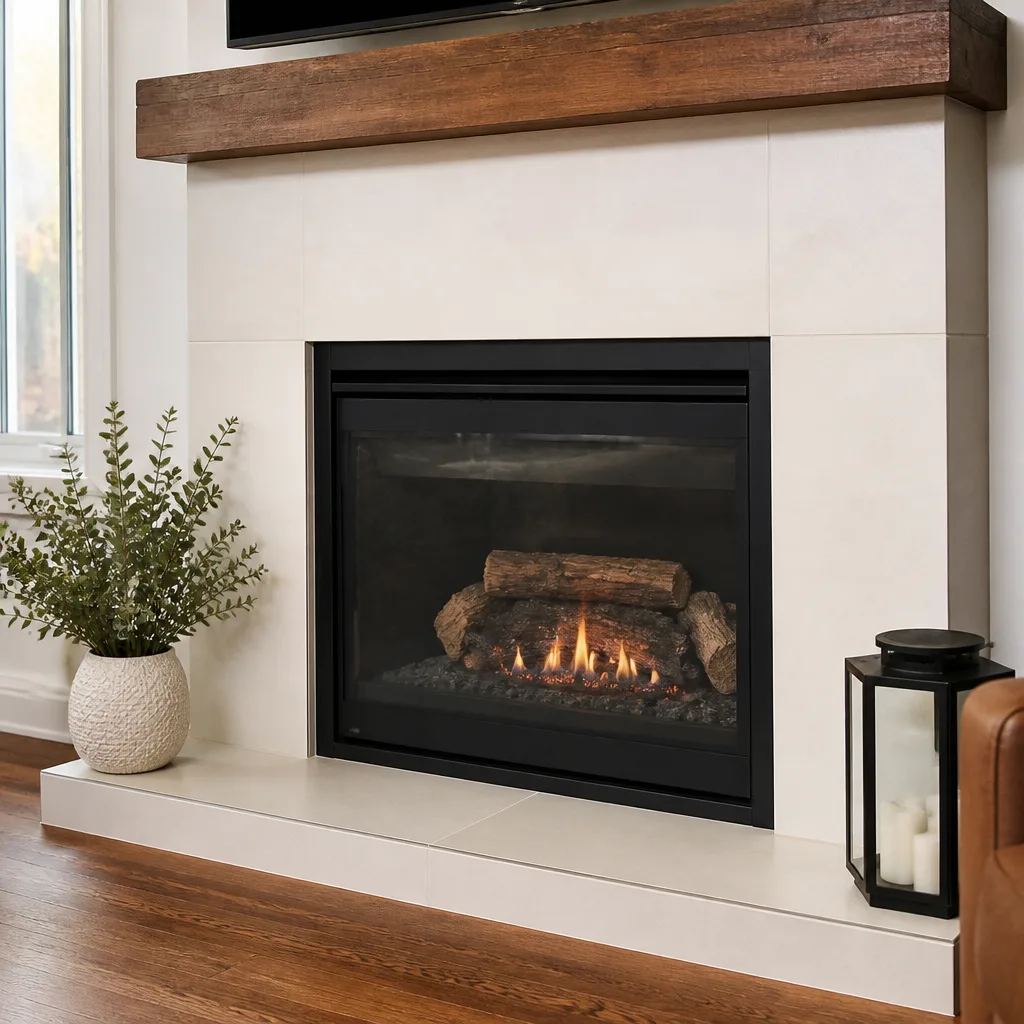 Gas fireplace service
Level 1 sweep and inspection to the NFPA 211 annual standard - flue, crown, cap, and flashing checked and photographed
Chimney sweep logs do not sweep chimneys. They loosen some creosote - which then falls where a brush and vacuum still have to collect it.
HeatShield Flue Liner Replacement: The Torrance Owner’s Guide
If you have a HeatShield flue liner that’s cracked, spalled, or separating at a seam, we stock HeatShield-compatible replacement liner material and install it throughout Torrance, typically running $2,800 – $4,600 depending on flue height and access. Most HeatShield liner replacements we do in the South Bay are completed in a single day, and we carry replacement joints and refractory panels on the truck so you’re not waiting on a parts order. Here’s the reality of how Torrance homeowners discover their HeatShield liner has failed: it’s usually during an annual sweep, when our camera finds a crack the naked eye could never see from the fireplace opening. We hand you the photo. You see exactly what we see.
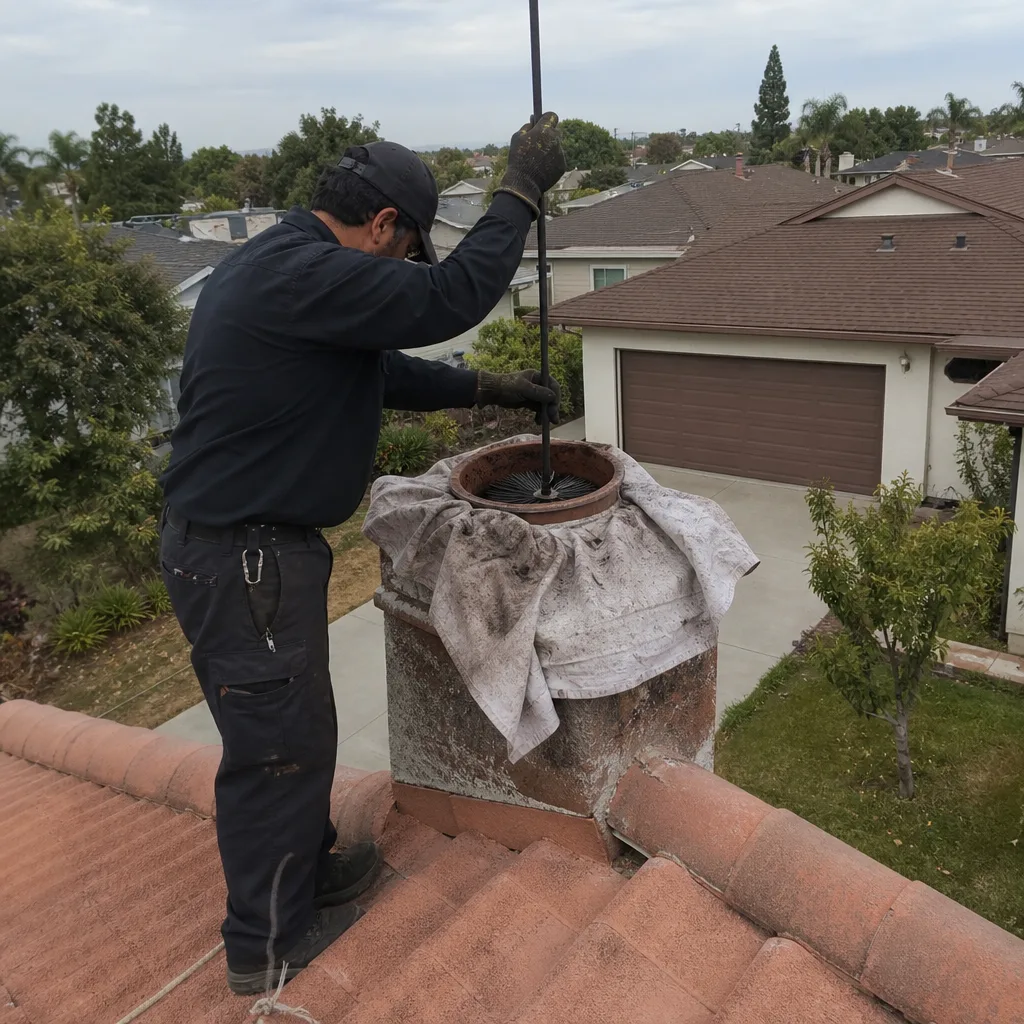
HeatShield is a ceramic-cement resurfacing system applied inside an existing clay tile flue, essentially a cast-in-place repair rather than a full stainless liner swap. When it’s installed well, it can buy 10 to 15 years. When it fails early, it’s almost always for one of three reasons we’ll get into below: installation shortcuts, moisture intrusion from a bad crown or missing rain cap, or a chimney fire that spiked flue temperatures past what the compound was rated for. The good news is that a failed HeatShield liner rarely means you need to spend on a full stainless reline. The bad news is it’s not a weekend DIY fix.
Which HeatShield Models This Applies To
HeatShield is not a brand with model numbers in the way a water heater or furnace is. It’s a proprietary ceramic repair compound, and the version used in your chimney depends on the application method: Joint Repair System for hairline cracks and failed mortar joints between clay tiles, or Resurfacing System for full-flue rehabilitation where the entire clay liner surface has degraded. If your paperwork says “HeatShield resurfaced liner” or a home inspector noted “cast-in-place flue repair,” you’re in the resurfacing category, and that’s the one that matters for full replacement.
Here’s the compatibility gotcha every Torrance homeowner should know: HeatShield is mixed on-site to a specific viscosity and bond standard, so any replacement work needs to be done by a company that actually carries the material and understands how it keys into the existing clay tile profile. We are an independent service provider, not a factory-authorized HeatShield dealer, which matters because we’ll be honest about when a HeatShield patch is the right call and when you’d be better served by a different approach, like a DuraFlex stainless liner or, in severe cases, a full clay rebuild. If we can patch two failed sections and preserve the rest of the liner, that’s what we quote. We don’t sell a full replacement just because it’s easier for us.
Styles & brands we work with
Signs Your HeatShield Flue Liner Replacement Is Failing
- Flaking ceramic bits in the firebox: You see small, curved pieces of grayish material that look like broken terra cotta. That’s HeatShield delaminating from the clay tile behind it, and it means the bond has failed somewhere above. Each flake is a section of flue wall that’s no longer protecting the chimney structure.
- Visible cracks in the flue from the top down: If you look down the flue with a flashlight (carefully, from the roof or with your phone camera), you may see vertical or web-like cracking. HeatShield cracks usually start at a seam between two clay tiles, where slight expansion differences create a stress line.
- White staining or efflorescence on the chimney exterior: When flue gases or moisture are escaping through a failed liner, water vapor carries minerals through the brick and leaves chalky white residue on the outside face. In Torrance’s marine air, this happens faster than you’d think because the brick is almost never fully dry.
- A persistent odor that smells like a damp campfire: Even when you haven’t burned anything in weeks, you get a smoky, acrid smell near the fireplace. That’s creosote-laden moisture being absorbed into the masonry and off-gassing into the room. It means the liner is no longer containing combustion byproducts.
- Reduced draft or smoke rolling back into the room: A compromised HeatShield liner creates rough, irregular flue walls. That turbulence disrupts the upward draft and can push smoke back into the house, especially on mild South Bay days when the temperature difference between inside and outside air is already weak.
Replacement Cost & What’s Included
For a single-story Torrance home with a typical 15 to 25 foot flue, HeatShield flue liner replacement or resurfacing runs $2,800 – $4,600 installed. Two-story homes or chimneys with poor roof access (steep pitch, Spanish tile, tight property line setbacks common in neighborhoods like Old Torrance) lean toward the upper end because staging and safety equipment take longer. If we can repair isolated failed sections rather than resurface the entire flue, you’re looking at $1,200 – $2,200, and we’ll say that plainly after the camera inspection shows us what’s actually failing.
Every quote includes the full job: a leveled work platform or roof harness where needed, preparation of the existing flue surface (hand-scrubbing and mechanical compaction where required), the HeatShield material mixed and applied to factory spec, a post-installation camera sweep to verify coverage, and all cleanup. You get a written price before any work starts, a written guarantee on the repair, and our 365-Day Done Right Promise: if it’s not done right, we make it right, including a free second visit. No surprise line items at the door. We’ll also text you before-and-after photos from the camera, because if we claim we fixed something, you should be able to see it with your own eyes.
See the difference
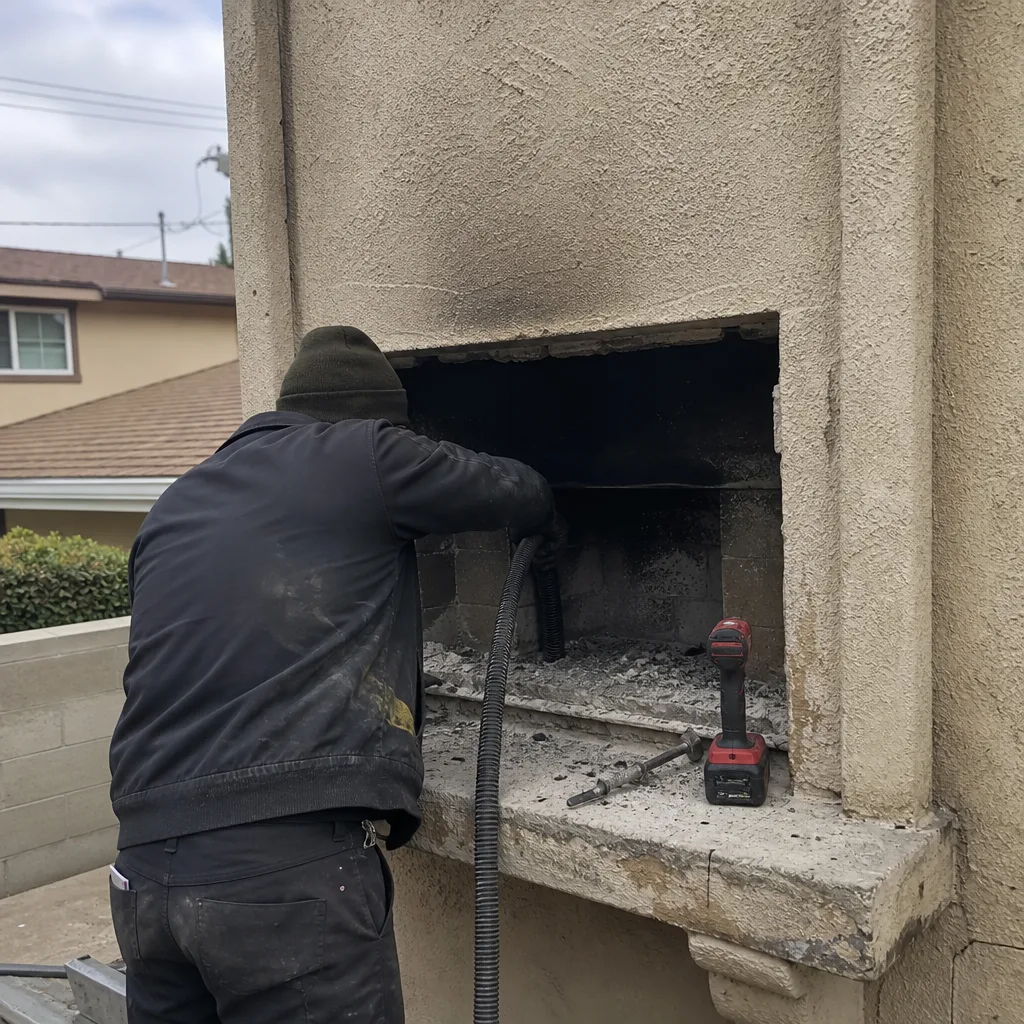 Before
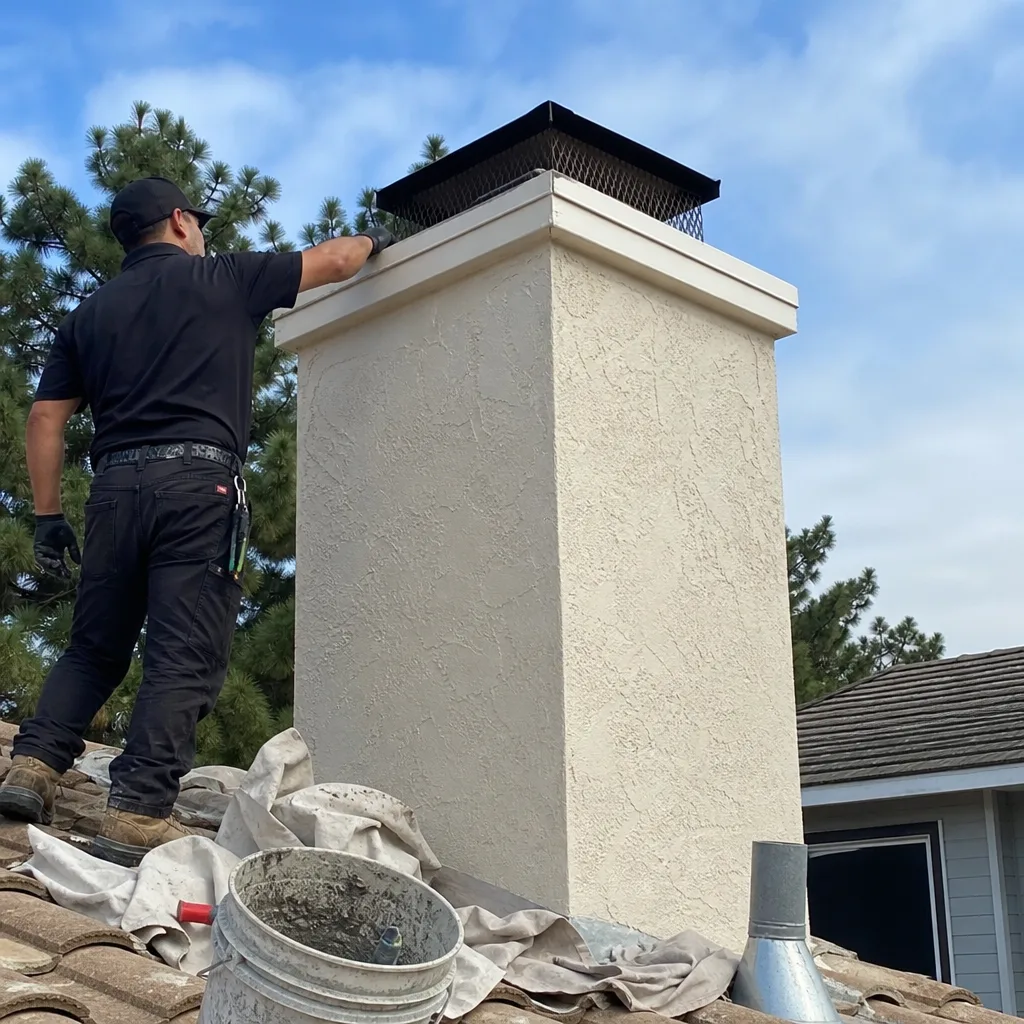 After
After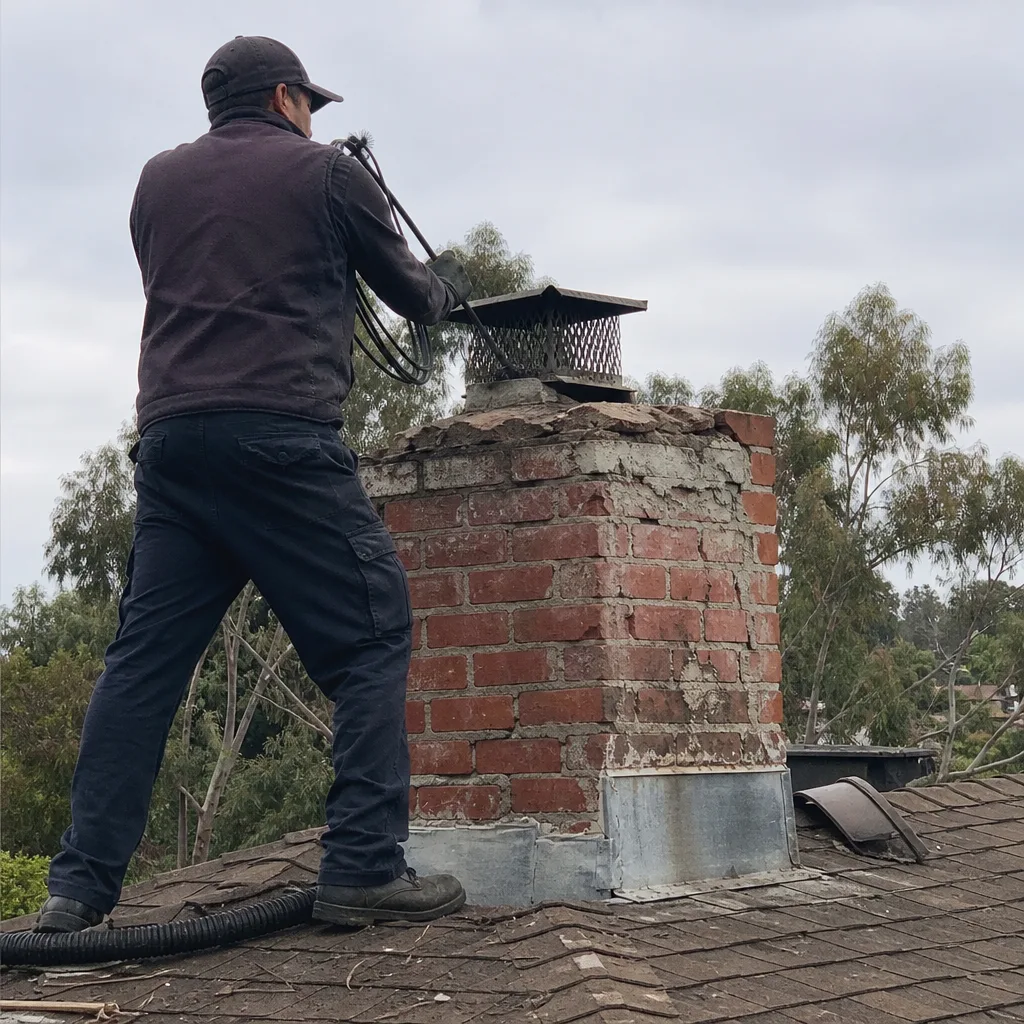 Before
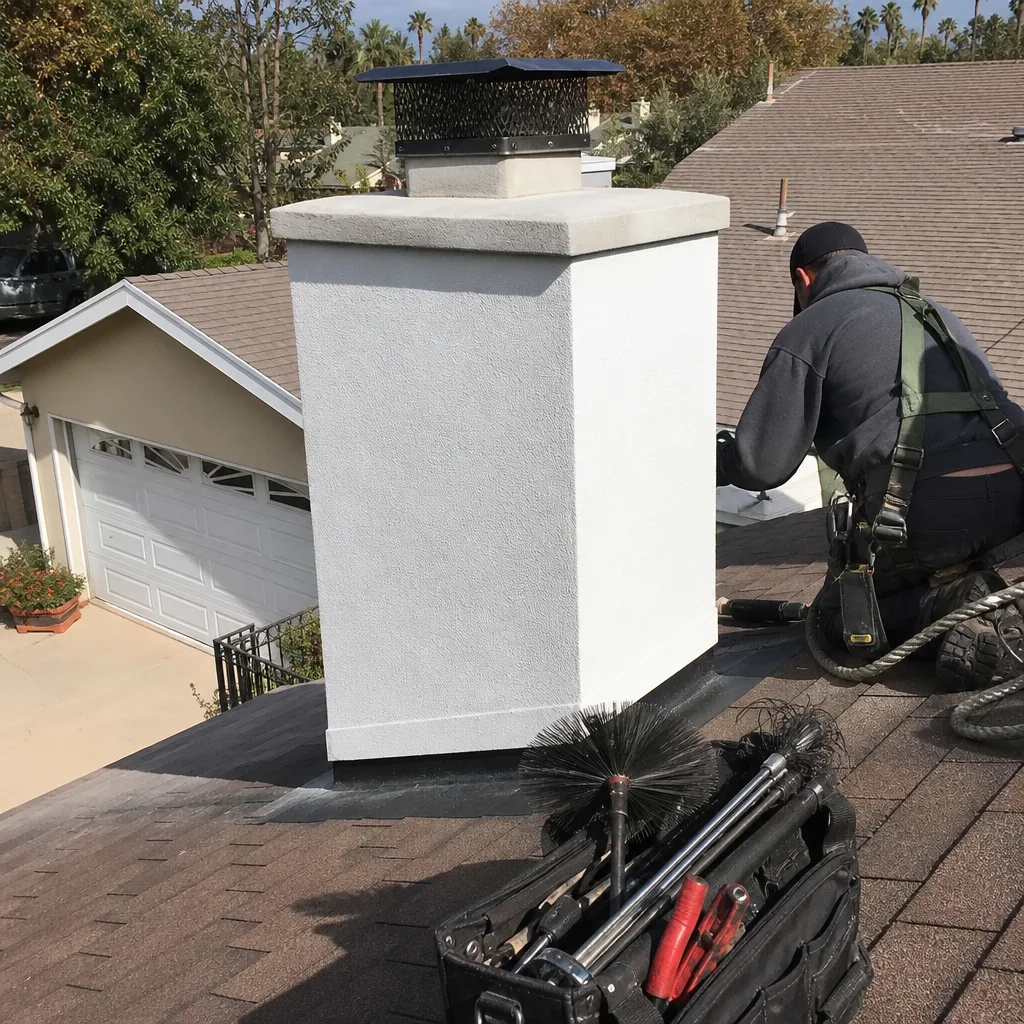 After
After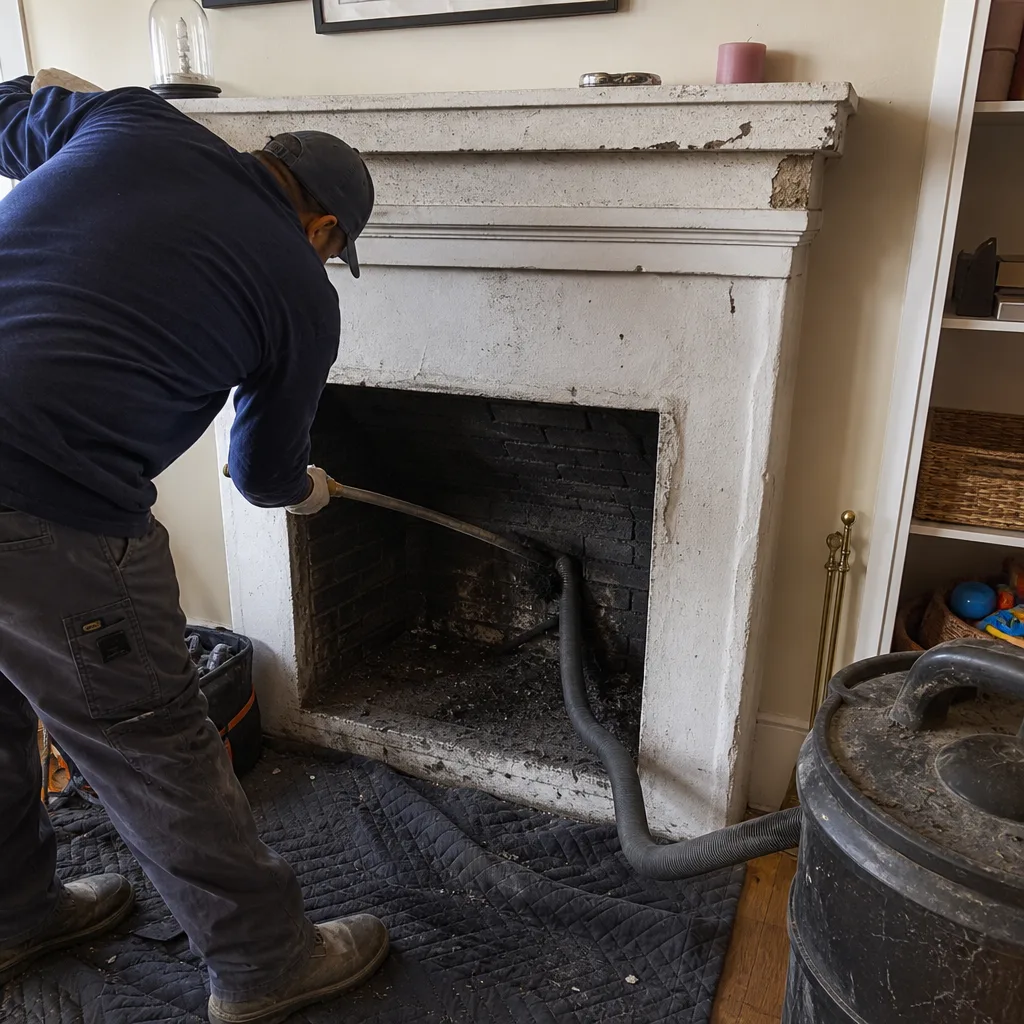 Before
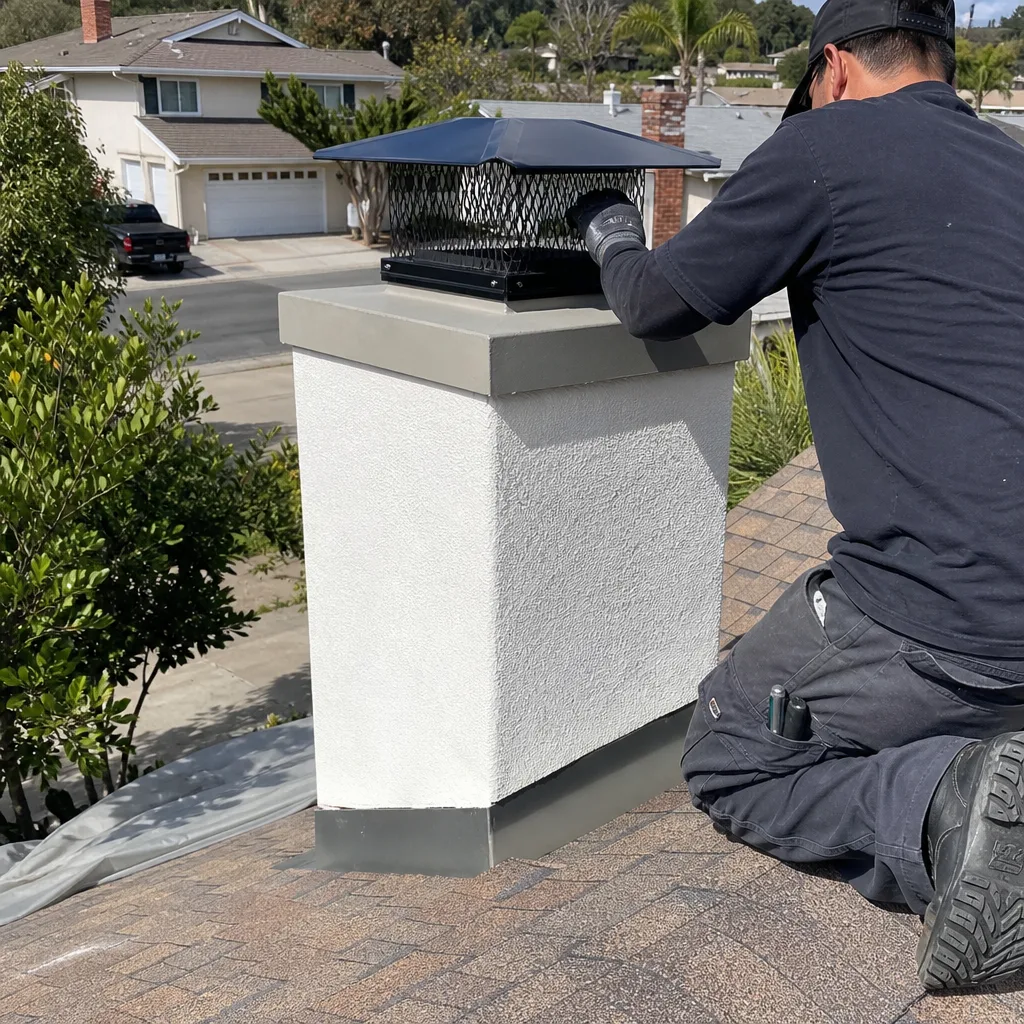 After
AfterDIY or Call Us?
This is not a safe DIY project. Working inside a chimney flue means confined-space work at height, exposure to creosote dust (a known respiratory irritant and suspected carcinogen), and the very real possibility of a fall from the roof or a collapse of degraded masonry. We don’t say that to scare anyone off. We say it because we’ve seen three Torrance homeowners this year alone who attempted a liner patch with big-box refractory cement, and every one of them called us within six months to fix the original problem plus the new one they created.
Here’s what you can safely do yourself: check the firebox for flaking material, look for efflorescence on the exterior brick, run a flashlight up the flue from inside (no ladder needed for a rough look), and inspect the chimney crown and rain cap from the ground as best you can. If any of those turn up suspicious, call us at (424) 358-3187. We’ll put a camera up there, show you the footage, and tell you exactly what needs doing and what can safely wait. You might find out your HeatShield liner is fine and you just need a crown repair. We’ll tell you that too.
FAQs
A properly installed HeatShield liner typically lasts 10 to 15 years in Torrance’s coastal climate, though chimneys within a mile of the ocean may see slightly shorter lifespans due to constant moisture and salt air. The biggest factor is whether the crown and rain cap above it are doing their job, because water intrusion from the top is what kills HeatShield faster than anything else. If you’re past year 10 and due for a sweep, ask for a camera inspection and get eyes on the actual condition. Call (424) 358-3187 and we’ll schedule it, often within a few days depending on season.
Many HeatShield failures can be repaired sectionally without a full resurfacing, especially if the damage is limited to one or two failed joints or a localized crack. We’ll know within ten minutes of running the camera whether you’re a candidate for a targeted patch or need the full flue redone. The camera shows the truth, and we only recommend what the footage supports, because we’d rather earn your repeat business than sell a liner job you don’t need.
For a standard single-story Torrance home, a full HeatShield liner replacement or resurfacing takes most of one working day, including setup, preparation, application, curing time check, cleanup, and the post-installation camera sweep. Two-story chimneys or those requiring extensive roof staging can run into a second day. We’ll give you a realistic window when we book, and per Relay standard, you get live arrival tracking so you know exactly when we’re pulling up.
We stock HeatShield repair compound, mixing systems, and related flue repair materials on our trucks, along with DuraFlex stainless liner systems and Gelco water repellents for crown and brick protection. That means the most common HeatShield repairs and replacements can be done same visit, no waiting on a warehouse order. The only time we order ahead is for unusually tall flues or custom access needs, and we’ll tell you at the quote stage if that’s the case.
Need a HeatShield liner inspected or replaced in Torrance?
Call (424) 358-3187 and a live person answers. We’ll get you on the schedule, the tech will arrive in a tracked window, and you’ll get a written price before any work starts. If we can’t show you a photo of the problem, as Cory Mitchell likes to say, it isn’t a problem. That’s how we’ve worked in Torrance since Hadley Chimney Sweep started in 2003, and that’s how it stays.
Written by Cory Mitchell, Owner, Hadley Chimney Torrance at Hadley Chimney Torrance, serving Torrance and nearby areas.